


Table of Contents
Introduction – Why This Matters: The Plate is Your Portal
We often think of a passport stamp or a monument as the ultimate proof of travel. But what if the most authentic, enduring connection to a place is not seen, but tasted? Food is the unsung archive of a culture—it encodes history, geography, social values, and collective memory in every recipe and ritual. Moving beyond the tourist-trap restaurant to explore a destination’s culinary backroads is one of the most direct and joyful paths to genuine cultural understanding.
What I’ve found is that when you learn to “read” a place through its food, your entire travel experience deepens. I recall a simple lunch in a Georgian home in Tbilisi. The supra (feast) wasn’t just about khinkali (dumplings) and khachapuri (cheese bread); it was a lesson in Tamada (toastmaster) tradition, regional rivalry between Kakheti and Kartli wines, and the profound Georgian concept of hospitality, or stumari. That meal taught me more about the country’s soul than any museum placard. For anyone seeking to move past superficial sightseeing, letting food be your compass offers a transformative and universally accessible journey. It aligns perfectly with the mission of our platform to foster deep, meaningful exploration, a core tenet you can read more about in the about section of World Class Blogs.
Background / Context: From Fuel to Philosophy
The relationship between travel and food has evolved dramatically. For centuries, food was mere sustenance for travelers—a practical necessity. The 20th century introduced “dining out” as a tourist activity, often leading to sterile, internationalized hotel fare. The late 1900s and early 2000s saw the birth of “food tourism,” celebrated by TV shows and guides that highlighted iconic dishes and celebrity chef temples.
Today, we are in the era of culinary immersion. The modern traveler, armed with digital tools and a desire for authenticity, seeks not just to eat, but to understand. They want to know the name of the fisher who caught the sea bream, the vineyard where the natural wine was made, and the grandmother who guards the secret to the perfect mole paste. A 2025 report by the World Food Travel Association found that 83% of leisure travelers now rank “authentic local food experiences” as a primary or significant motivator for choosing a destination, up from 72% just five years ago. This isn’t about fine dining; it’s about context, connection, and story.
Key Concepts Defined: The Language of Culinary Travel

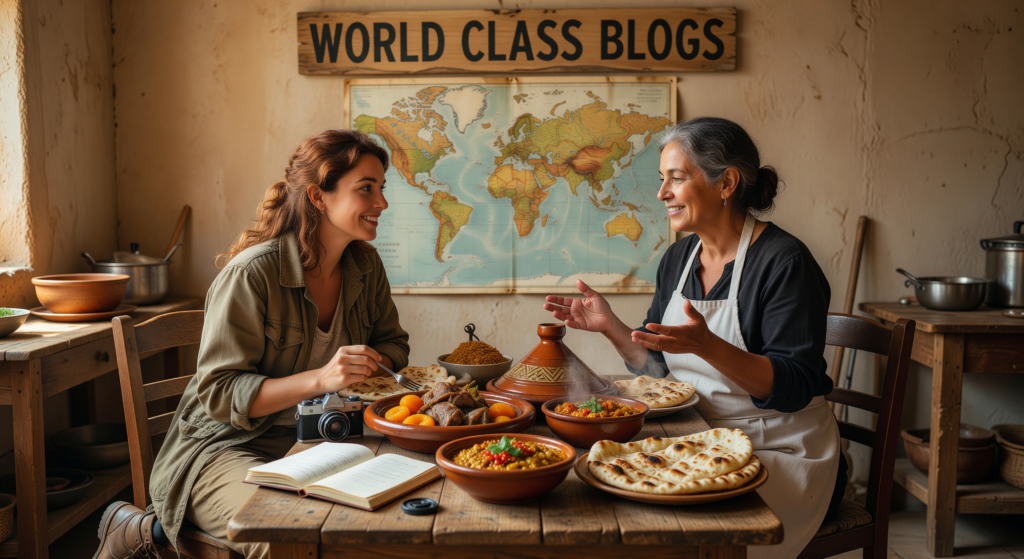
Culinary Backroads: Metaphor for seeking food experiences away from mainstream tourist centers—in local markets, home kitchens, street food stalls, and family-run farms. It prioritizes process and provenance over presentation.
Foodways: The comprehensive study of the cultural, social, and economic practices relating to the production and consumption of food. It includes everything from farming techniques and food preservation to meal etiquette and festival foods.
Terroir: A French term (from terre, meaning “land”) that encapsulates the complete natural environment in which a particular food is produced, including factors like soil, topography, and climate. It’s the reason Parmigiano-Reggiano from Emilia-Romagna tastes distinct, and why Oaxacan mezcal carries the scent of its particular valley.
Food Sovereignty: The right of peoples to healthy and culturally appropriate food produced through ecologically sound and sustainable methods. Engaging with this concept as a traveler means supporting systems that value local producers over industrial supply chains.
Gastro-Diplomacy: The use of food as a means to build cross-cultural understanding and foster a positive national image. Think of the global spread of Thai restaurants supported by the Thai government’s “Global Thai” program.
Key Takeaway: The Culinary Travel Spectrum
Stage Focus Typical Activity Goal Eating Sustenance Grabbing a quick meal at a convenient location To not be hungry Dining Experience Visiting a well-known restaurant from a guidebook To try the “must-eat” dish Tasting Flavor Exploration Going on a structured wine or food tour To sample and compare local products Understanding (Culinary Immersion) Cultural Context Cooking in a local home, foraging with a guide, volunteering on a farm To learn the why and how behind the food
How It Works: A Step-by-Step Recipe for Deeper Exploration

Step 1: Pre-Trip Research – Mapping the Flavor Landscape
Don’t just search “best restaurants in Rome.” Dig deeper. Watch documentaries on regional Italian cuisine. Follow food anthropologists or local food bloggers on Instagram. Search for academic papers on, for example, the history of pasta shapes in Lazio. Use these insights to create a “culinary wishlist” that goes beyond dishes to include techniques (e.g., learning to make fresh oreddiette pasta) and ingredients (seeking out Pecorino Romano from a specific affineur).
Step 2: On-the-Ground Tactics – Where to Go and How to Behave
- Markets are Your Museum: Arrive early. Observe what’s in season. Talk to vendors. Ask “What’s good today?” or “How do you prepare this?” A simple question can unlock a recipe.
- Follow the Locals, Not the Line: A crowded lunch spot full of office workers is always a better bet than one full of tourists with backpacks. Observe meal times and rhythms.
- Learn the Key Phrases: Beyond “please” and “thank you,” learn “What do you recommend?” “Is this local?” and “Can you show me how to eat this?”
- Book Experiences, Not Just Tables: Prioritize a market tour with a chef, a pasta-making class in a nonna’s home, or a visit to a tea plantation. These structured experiences provide context and access.
Step 3: Engagement and Etiquette – The Rules of the Table
- Observe First: Watch how locals eat a particular food. Do they use utensils, bread, or hands? Is there a specific order to the meal?
- Be Adventurous, But Respectful: It’s okay to politely decline something that violates a personal dietary or ethical boundary, but do so graciously. “I don’t eat, but I am so curious about it. Can you tell me about its significance?”
- Express Gratitude Meaningfully: The highest compliment is asking for the story behind the food. A heartfelt “thank you for sharing this with me” to a home cook is more valuable than any tip.
Why It’s Important: More Than Just a Good Meal
Culinary immersion is a powerful force for good. It creates a direct economic pipeline to small-scale farmers, fishers, artisans, and home cooks, ensuring tourism revenue circulates within the local community. It acts as a living preservation mechanism for endangered culinary traditions, giving them economic value and renewed pride. On a personal level, it builds empathy and shatters stereotypes. Sharing a meal dissolves barriers; it’s a universal language of hospitality and humanity. This form of contributive travel shares core values with the work highlighted in our nonprofit hub at World Class Blogs, where community-centric impact is key.
Sustainability in the Future: Eating for the Planet’s Health
The future of food travel is inextricably linked to the health of our planet. The model must shift from extractive consumption to regenerative participation.
- Hyper-Local & Seasonal Focus: Future itineraries will revolve around what’s growing now within a 50-mile radius, reducing food miles and supporting agro-biodiversity.
- Zero-Waste Culinary Experiences: Think cooking classes that use vegetable peels for stock, or tours of fermentation labs tackling food waste.
- Supporting Indigenous Food Sovereignty: Travelers will seek experiences that center on indigenous knowledge of land stewardship, wild foraging, and seed preservation—critical for ecosystem resilience. Understanding these complex, interlinked systems can be as intricate as optimizing a global supply chain, a topic masterfully explained in the complete guide to global supply chain management over at The Daily Explainer.
- Carbon-Conscious Food Choices: Menus and tours will increasingly highlight the carbon footprint of ingredients, promoting plant-rich diets and alternative proteins as part of the cultural experience.
Common Misconceptions
Misconception 1: “It’s only for foodies or expert chefs.”
Reality: It’s for the curious. You don’t need a refined palate; you need active taste buds and an open mind. The story behind a street food snack is as compelling as a 12-course tasting menu.
Misconception 2: “It’s unsafe to eat street food or in local homes.”
Reality: Often, it’s safer. High turnover means fresh ingredients. Watch for stalls with long local lines and visible cooking practices. Use common sense, but don’t let unfounded fear rob you of the best meals.
Misconception 3: “It’s expensive and elitist.”
Reality: While high-end foraging tours exist, the core of culinary backroads travel is remarkably affordable. A multi-course meal in a local’s home via a sharing-economy platform can cost less than a mediocre tourist-restaurant pizza.
Misconception 4: “You have to abandon all dietary restrictions.”
Reality: Not at all. With respectful communication (and learning key phrases like “I am allergic to…”), you can navigate most situations. Your interest in the culture will usually inspire locals to creatively accommodate you.
Recent Developments (2025-2026)
- AI-Powered Hyper-Personalization: Apps now use AI to cross-reference your taste preferences (from a simple quiz), location, and season to generate a personalized “culinary immersion map” for your destination, highlighting micro-producers and under-the-radar events.
- Blockchain for Provenance: In regions known for specific products (like olive oil, whisky, or coffee), QR codes linked to blockchain ledgers allow you to trace your food’s journey from soil to plate, verifying authenticity and ethical sourcing.
- The “Farm-Stay” 2.0: Beyond rustic B&Bs, these are working agritourism experiences where guests participate in harvests, cheesemaking, or vineyard pruning as part of their stay, blending labor, learning, and leisure.
- Virtual Reality (VR) “Pre-Taste” Experiences: High-end operators and tourism boards are offering VR experiences that let you “walk” through a remote market or “sit” at a family table before you travel, building anticipation and cultural familiarity.
Success Stories & Real-Life Examples
Success Story: The Oaxacan Culinary Renaissance
Oaxaca, Mexico, has long been a food destination. However, recent efforts led by collectives like “El Espíritu del Valle” have shifted the narrative. They connect travelers not just with restaurant chefs, but with milpa (traditional cornfield) farmers, metateras (stone grindstone artisans), and grandmothers who are the true keepers of mole recipes. Travelers participate in day-long “Mile to Mole” journeys, from seed to sauce. This model has funneled significant income directly to rural communities, incentivizing youth to preserve ancestral practices and combat the dominance of industrial corn. The success of such a collaborative, community-based model mirrors the principles of a well-structured business partnership, similar to the strategic alliance models detailed in the comprehensive guide on the Sherakat Network.
Real-Life Example: The Lisbon Sardine Quest
A traveler to Lisbon wanted to understand the city’s obsession with sardines. Instead of just ordering them grilled, she:
- Took a morning market tour to learn how to select the freshest sardinhas.
- Joined a workshop at a canning museum-turned-cultural-center in Mouraria, learning about the history of the conserveira industry.
- Attended a Santo António festival street party in June, where the smell of grilling sardines filled the air, and shared a plate with locals.
This multi-layered approach transformed a simple fish into a story of maritime history, industrial change, and communal celebration.
Success Story: The Japanese Satoyama Dining Experience
In rural Japan, initiatives like “Table de Satoyama” connect travelers with the satoyama landscape—the border zone between mountain and village. Guests forage for wild mountain vegetables (sansai) with a guide, then take their harvest to a local farmhouse where a cook transforms them into a kaiseki-style meal. This experience directly supports depopulated villages, educates on biodiversity, and offers a profound taste of terroir impossible to find in any city. The entrepreneurial spirit behind creating such a unique, sustainable experience from local resources is akin to the journey of starting an online business, as outlined in the complete 2026 guide available on Sherakat Network.
Conclusion and Key Takeaways
To travel through food is to engage all your senses in the act of understanding. It turns a meal from a transaction into a conversation, and a destination from a postcard into a lived, sensory reality. The culinary backroads are waiting, less traveled but infinitely richer.
Key Takeaways to Flavor Your Next Journey:
- Research the Story, Not Just the Menu: Understand the history and geography behind the dish before you taste it.
- Prioritize Proximity: Seek out producers, markets, and home kitchens. The shorter the distance from source to plate, the deeper the connection.
- Participate, Don’t Just Consume: A hands-on cooking or foraging experience teaches more than a hundred passive meals.
- Embrace Humility as a Spice: You are a student of the table. Ask questions, listen deeply, and be willing to make (and laugh at) mistakes.
- Let Your Values Guide Your Fork: Choose experiences that support local economies, sustainable practices, and cultural preservation.
For those whose curiosity extends to how technology is reshaping other forms of deep exploration, our category on artificial intelligence and machine learning offers fascinating parallels.
FAQs (Detailed Questions & Answers)
Q1: I’m a solo traveler. Is it awkward to do food tours or dine alone?
Not at all. Food tours are fantastic for solo travelers as they create instant community. For dining, sit at a bar or chef’s counter. It’s less intimidating and often leads to interaction with staff or neighbors.
Q2: How do I handle food allergies or severe dietary restrictions (like celiac disease) in places where it’s not commonly understood?
Preparation is key. Get a translation card from a reputable organization that explains your allergy/restriction in the local language, using clear, strong terms. Research staple foods of the region to know what to avoid proactively. Always carry safe snacks.
Q3: What’s the best way to find a legitimate, non-touristy cooking class in a local home?
Use platforms specifically designed for this, like EatWith or Traveling Spoon, which vet their hosts. Look for profiles that emphasize family, tradition, and market visits over professional chef credentials. Read reviews that mention cultural learning, not just the food.
Q4: Is it rude to take photos of my food or of vendors in a market?
Always ask. For food on your table, it’s generally fine. For people, especially vendors, a smile and a gesture towards your camera is mandatory. If they say no, respect it. Purchasing something from them first often opens the door to a “yes.”
Q5: How can I be a respectful guest at a home dining experience?
Arrive with a small gift from your home country (a food item is great). Offer to help with simple tasks like setting the table. Express genuine interest in the family and their stories. Write a thank-you note afterward.
Q6: How do I navigate street food hygiene concerns?
Use the “busy stall” rule: high turnover means fresh food. Look for cleanliness in the preparation area and how the cook handles money (a separate hand/tool for money is a good sign). When in doubt, eat cooked food hot from the grill or fryer.
Q7: What are the “shoulder season” culinary benefits?
Traveling just before or after peak season means fewer crowds, more engaged locals, and often, unique seasonal harvests or festivals that aren’t on the main tourist calendar, like olive harvests in fall or white asparagus seasons in spring.
Q8: Can I do a culinary immersion on a tight budget?
Absolutely. Your main expenses become market snacks, street food, and a single well-chosen cooking class or tour. Avoid expensive restaurants. Picnic with local ingredients from markets and specialty shops.
Q9: How do I move beyond just “eating the famous dish” in a place?
Ask: “What’s the variation of this dish in the next village?” or “What do locals eat on a normal Tuesday night?” Find the everyday foods, the workers’ lunches, the home-cooked staples.
Q10: What’s a simple first step I can take on my next trip to start this practice?
Commit to having one meal a day (breakfast is easiest) that is sourced entirely from a local market, bakery, or vendor—no hotel breakfast, no international chain. Observe, interact, and taste.
About the Author
Sana Ullah Kakar is a culinary anthropologist and travel writer who believes the shortest path to a culture’s heart is through its kitchen. With a background in food systems and a lifelong case of curiosity, they have documented vanishing cheese-making traditions in the Alps, broken bread in Bedouin tents, and mapped the street food networks of Southeast Asian megacities. Their work focuses on the intersection of food, sustainability, and storytelling, aiming to turn readers into thoughtful, engaged eaters of the world. They are a regular contributor to the blogs at World Class Blogs. You can learn more about their ethos or propose a collaboration through the contact page at World Class Blogs.
Free Resources
- The Culinary Backroads Phrasebook: Downloadable PDF with essential food-related phrases in 15 languages, from market bargaining to complimenting the cook.
- Global Food Festival Calendar: A curated, season-by-season list of authentic local food festivals worldwide where cultural immersion is guaranteed.
- “Ask a Local” Interview Series: Video recordings (Loom links) of conversations with food producers, from a truffle hunter in Piedmont to a tangzhong bread master in Taipei.
- For further exploration of building holistic wellbeing, which includes the joy of discovery highlighted here, The Daily Explainer offers a complete guide to psychological wellbeing in the modern world. Additionally, for those inspired to build a business around their culinary passion, the alchemy of building a successful partnership is thoroughly explored in a comprehensive guide on Sherakat Network.
Discussion
Let’s continue the conversation:
- What’s the one food experience that fundamentally changed how you saw a destination?
- What culinary tradition or region are you most curious to explore next, and why?
- Do you have a tip for finding “the real deal” when it comes to local food that we missed?
Share your stories and questions below. Every shared experience adds a new flavor to our collective understanding.


