

Introduction: Why This Matters
The internet has revolutionized how we live, work, and connect. It has become the modern public square, a global library, and a vital marketplace. But as our lives migrate online, so do the fundamental challenges to our freedoms. Digital Rights are Human Rights is not a catchy slogan; it is a critical legal and philosophical assertion for the 21st century. It means that the rights to privacy, freedom of expression, and freedom of assembly, enshrined in documents like the Universal Declaration of Human Rights, must be robustly protected in the digital realm. Why does this matter for global development? Because without equitable access to a free and open internet, and without protections against digital surveillance and censorship, billions are at risk of being left behind in an increasingly digitized world. This article explores this new frontier, where the fight for human rights and the path to sustainable development are inextricably linked to the digital world.
Background/Context
The formal recognition of digital rights began to coalesce in the early 2000s. A pivotal moment was the 2011 report by the UN Special Rapporteur on Freedom of Expression, which explicitly stated that online rights must be protected to the same extent as offline rights. This was later endorsed by the UN Human Rights Council in 2012.
The 2013 revelations by Edward Snowden about mass global surveillance were a watershed, galvanizing public awareness and policy debate around digital privacy. Since then, the landscape has become a battleground. On one side, activists and democratic governments advocate for a multi-stakeholder model of internet governance that protects civil liberties. On the other, authoritarian states push for greater sovereign control, leading to the rise of “digital authoritarianism”—the use of technology for surveillance, censorship, and social control. The European Union’s General Data Protection Regulation (GDPR), implemented in 2018, represents one of the most significant legal frameworks establishing digital rights as enforceable standards.
Key Concepts Defined


- Digital Rights: The human rights that allow individuals to access, use, create, and publish digital media, as well as access and use computers, other electronic devices, and telecommunications networks.
- Digital Divide: The gap between those who have access to modern information and communication technology (ICT) and those who do not. This includes divides in infrastructure, affordability, skills, and quality of access.
- Data Privacy/Protection: The right of an individual to control how their personal information is collected, used, and shared by governments and corporations.
- Internet Shutdown: A deliberate disruption of internet or electronic communications, rendering them inaccessible or effectively unusable, for a specific population or within a location, often to control the flow of information.
- Net Neutrality: The principle that Internet Service Providers (ISPs) must treat all data on the internet the same, without discriminating or charging differently based on user, content, website, or platform.
- Digital Literacy: The ability to use information and communication technologies to find, evaluate, create, and communicate information, requiring both cognitive and technical skills.
- Surveillance Capitalism: An economic system centered around the commodification of personal data with the core purpose of profit-making and behavioral prediction.
How It Works (Step-by-Step)
Protecting digital rights in the context of development involves a multi-layered approach:
- Establish the Legal Foundation: Governments must adopt and enforce comprehensive data protection laws (like GDPR) and ensure that constitutional guarantees of free speech and privacy explicitly apply online. Laws against cybercrime must be narrowly tailored to avoid stifling dissent.
- Bridge the Digital Divide: This is a prerequisite. Policies must invest in digital infrastructure (broadband, mobile networks) in rural and underserved areas, subsidize access costs for low-income populations, and integrate digital literacy into national education curricula.
- Promote Corporate Accountability: Hold technology companies accountable for their human rights impact. This includes conducting due diligence on how their platforms are used for surveillance, disinformation, or inciting violence, and designing products with “privacy by design” principles.
- Empower Civil Society and Media: Support digital rights organizations and independent media that monitor and report on abuses. Provide digital security training (e.g., using encrypted messaging, secure passwords) to activists and journalists at risk.
- Foster Multi-stakeholder Governance: Include civil society, academia, and the technical community—not just governments and corporations—in discussions about internet governance, standards, and policy at national and international forums.
- Monitor and Document Abuses: Use technology to fight back. Organizations like Access Now and the Citizen Lab use technical expertise to document internet shutdowns, expose spyware, and provide emergency digital security support.
Why It’s Important
Digital rights are not a niche concern; they are central to modern human dignity and development.
- Development Enabler: The internet is a powerful tool for achieving the SDGs. It enables access to education (SDG 4), health information (SDG 3), and financial services (e.g., mobile money for SDG 1). Without digital rights, these benefits can be undermined by misinformation, fraud, or exclusion.
- Civic Participation: A free and open internet is essential for democratic engagement, allowing citizens to access information, hold governments accountable, and organize socially. Internet shutdowns are a direct attack on this participation.
- Economic Empowerment: The digital economy offers vast opportunities for entrepreneurship and e-commerce. Understanding how to leverage this is crucial, much like understanding the fundamentals of setting up an e-commerce business. However, without net neutrality and data protection, small businesses can be squeezed out, and consumers exploited.
- Non-Discrimination: Algorithmic bias in automated decision-making (e.g., in hiring, lending, or policing) can perpetuate and amplify existing societal inequalities, making the protection against digital discrimination a core human rights issue.
Common Misconceptions
- Misconception 1: “Digital rights are only for the tech-savvy in rich countries.”
- Reality: The impacts of digital rights violations are often most severe in developing countries, where a single internet shutdown can cripple an entire informal economy and where weak legal systems offer little recourse against powerful tech companies or governments.
- Misconception 2: “If you have nothing to hide, you have nothing to fear from surveillance.”
- Reality: Mass surveillance chills free expression and association. It creates a society where people self-censor for fear of being monitored, which stifles innovation, dissent, and healthy democratic debate.
- Misconception 3: “More internet regulation is always bad for digital rights.”
- Reality: The key is the type of regulation. Regulation that empowers users, protects privacy, and ensures competition (like GDPR) strengthens digital rights. Regulation that gives states sweeping censorship and surveillance powers undermines them.
Recent Developments and Success Stories
A major recent development is the global push for AI Regulation. The EU’s AI Act, the first comprehensive AI law in the world, aims to classify and regulate AI systems based on their risk to fundamental rights. This represents a significant effort to apply a human rights-based approach to emerging technology.
Success Story: India’s “Right to Privacy” Judgment
In 2017, India’s Supreme Court delivered a landmark judgment in the Justice K.S. Puttaswamy vs. Union of India case, declaring the right to privacy a fundamental right under the country’s constitution. This decision, influenced by digital rights arguments, has since been used to challenge mandatory biometric ID programs and mass surveillance schemes, setting a powerful precedent for the Global South.
Case Study: M-Pesa and the Double-Edged Sword of Digital Finance in Kenya
- Background: Launched in 2007, M-Pesa is a mobile phone-based money transfer and financial service that revolutionized financial inclusion in Kenya, bringing banking to millions of unbanked citizens and contributing to poverty reduction.
- The Digital Rights Dimension: While a development success story, M-Pesa also highlights digital rights risks. The platform generates vast amounts of sensitive financial and location data. Initially, Kenya lacked a strong data protection law, raising concerns about how this data was used, stored, and potentially shared with the government for surveillance purposes.
- Lesson Learned: Technological solutions for development can create new vulnerabilities if not accompanied by strong, enforceable digital rights frameworks from the outset. Inclusion and innovation must be paired with privacy and security.
- Outcome: The public and legal scrutiny contributed to Kenya passing its first comprehensive Data Protection Act in 2019, establishing a Data Commissioner. This shows how development gains can catalyze the strengthening of digital rights institutions.
Real Life Examples
- Internet Shutdowns in Myanmar: Following the 2021 military coup, the junta imposed prolonged internet shutdowns to suppress dissent and hide human rights atrocities, severely impacting communication, access to vital information, and the economy.
- Social Media for Social Good: During the Arab Spring, platforms like Twitter and Facebook were used to organize pro-democracy protests and bypass state-controlled media, demonstrating the internet’s power for civic mobilization.
- Predictive Policing in the US: The use of algorithms to predict crime hotspots has been criticized for reinforcing racial biases in policing, as the data fed into these systems often reflects historical, discriminatory practices.
Conclusion & Key Takeaways

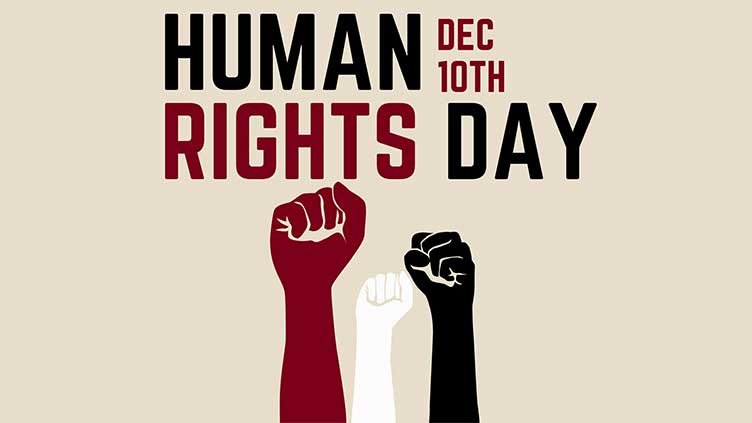
The integration of the digital and physical worlds is complete. Therefore, the defense of human rights must be as vigorous online as it is offline. For global development to be truly sustainable and equitable, it must be built on a foundation of protected digital rights.
Key Takeaways:
- The Online/Offline Distinction is Obsolete: Human rights are universal and apply equally in both realms.
- Access is a Prerequisite: Bridging the digital divide in all its forms is a fundamental development and justice issue.
- Privacy is the Foundation: Without privacy, there can be no genuine freedom of expression or association.
- Technology is Not Neutral: It reflects the biases and intentions of its creators and regulators. A human rights-based approach is essential to guide its development and deployment.
- Empowerment is Key: Digital literacy and security are not optional skills; they are necessary for individuals to safely claim their rights and participate in the modern world.
For more insights on how technology is shaping our future, explore our section on Technology and Innovation.
FAQ’s
- Are digital rights legally enforceable?
- Increasingly, yes. Through national laws (like data protection acts), court rulings (like in India), and regional frameworks (like GDPR), digital rights are gaining concrete legal standing.
- What is the biggest threat to digital rights today?
- The convergence of state-sponsored digital authoritarianism and the unaccountable power of Big Tech companies, both of which can lead to mass surveillance and the erosion of democratic norms.
- How does the digital divide affect women differently?
- In many parts of the world, women have less access to mobile phones and the internet due to cost, social norms, and lower digital literacy rates, which exacerbates existing gender inequalities.
- What is “encryption” and why is it important for rights?
- Encryption scrambles data so only authorized parties can read it. It is essential for protecting the confidentiality of our communications, securing financial transactions, and enabling journalists and activists to work safely.
- Can digital rights and national security coexist?
- Yes, but it requires proportionality and judicial oversight. Indiscriminate mass surveillance, where everyone is treated as a suspect, violates fundamental rights and is often less effective than targeted, lawful investigation.
- What is “fake news” and how does it relate to digital rights?
- “Fake news” is disinformation spread deliberately to deceive. While combating it is important, governments often use anti-fake news laws as a pretext to censor legitimate criticism, making a careful, rights-respecting approach crucial.
- How can I protect my own digital rights?
- Use strong, unique passwords and two-factor authentication, be mindful of what personal data you share online, use a VPN on public Wi-Fi, and support companies and products that prioritize privacy.
- What are digital rights of children?
- Children have the same fundamental digital rights, with added protections due to their vulnerability. This includes protection from online exploitation, abuse, and harmful content, as well as the right to have their data handled with extra care.
- What is the role of cryptocurrencies in digital rights?
- Cryptocurrencies can offer financial privacy and a way to bypass state-controlled financial systems, which can be useful for activists in repressive regimes. However, they can also be used for illicit activities.
- How does artificial intelligence (AI) impact digital rights?
- AI can be used to automate censorship (content moderation), power mass surveillance systems (facial recognition), and make decisions that affect people’s lives (in hiring, lending, etc.), making the prevention of algorithmic bias a key digital rights issue.
- What is the “right to be forgotten”?
- A legal concept, established in the EU, that allows individuals to request search engines to delist outdated or irrelevant personal information from search results, balancing the right to privacy with the public’s right to know.
- How are digital rights connected to mental health?
- The online environment can significantly impact psychological wellbeing, from cyberbullying and online harassment to the anxiety fueled by social media comparison. Creating a safe digital space is a mental health imperative. Learn more in this guide to psychological wellbeing.
- What is “open source” software and why is it important for rights?
- Open source software is code that is publicly accessible and can be inspected and modified. It is often considered more transparent and secure, as it doesn’t rely on a single company and allows for public scrutiny against backdoors or vulnerabilities.
- Can internet access be considered a human right?
- While not recognized as a standalone right, the UN has stated that internet access is a key enabler for the realization of other human rights, and disconnecting people is a violation of international human rights law.
- Where can I report a digital rights violation?
- Organizations like Access Now (through their Digital Security Helpline), the Electronic Frontier Foundation (EFF), and local digital rights groups in your country can provide assistance and help document abuses. You can learn about the work of such organizations in our Nonprofit Hub.


