


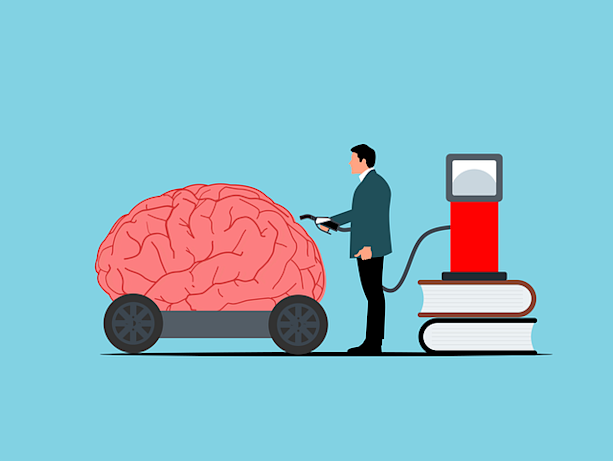
Introduction: The End of “Finished” Learning
For generations, education was treated as a distinct, finite phase of life: you learned for the first 20-25 years, and then you worked for the next 40. This model is now obsolete. In today’s rapidly evolving cultural and society, where technologies emerge and skills become outdated at an unprecedented pace, the most critical competency for any individual is the Lifelong Learning Mindset. This is not merely about taking occasional courses; it’s a fundamental orientation toward personal and professional growth—a proactive commitment to continuously acquiring new knowledge and skills throughout one’s life. It is the single greatest predictor of career resilience, personal fulfillment, and the ability to navigate the complexities of the modern world. For anyone looking to future-proof their career, stay intellectually vibrant, and actively participate in a dynamic cultural and society, cultivating this mindset is no longer a luxury; it is an essential strategy for survival and success. This guide will provide a comprehensive roadmap for developing and sustaining a powerful lifelong learning habit.
Background/Context: From Industrial-Era Education to the Knowledge Economy
The shift toward lifelong learning is a response to profound economic and technological transformations.
- The Industrial Model of Education: The 20th-century education system was designed to produce a workforce for stable, industrial-era jobs. Learning was standardized, centralized, and front-loaded into youth. The goal was to create specialists who would perform the same role for decades.
- The Dawn of the Knowledge Worker (Late 20th Century): Management theorist Peter Drucker coined the term “knowledge worker,” signaling a shift from manual labor to work based on the application of knowledge. This began to place a premium on continuous intellectual development.
- The Digital Acceleration (2000s-Present): The internet democratized access to information, and the acceleration of technological change began to shorten the “half-life” of professional skills. A degree earned in 2010 might be largely irrelevant by 2020 without ongoing education.
- The Fourth Industrial Revolution (Present): With the rise of AI, automation, and biotechnology, the very nature of work is being redefined. The World Economic Forum and other bodies consistently identify lifelong learning as the critical response to workforce disruption, making it a central theme in discussions about the future of global supply chain management and all other industries.
Key Concepts Defined
- Lifelong Learning Mindset: A proactive attitude and habit of continuously seeking new knowledge, skills, and experiences throughout one’s life, both for personal and professional reasons.
- Growth Mindset (Carol Dweck): The belief that one’s abilities and intelligence can be developed through dedication and hard work. This is the psychological foundation of a lifelong learning mindset.
- Self-Directed Learning: The process in which individuals take the initiative, with or without the help of others, in diagnosing their learning needs, formulating goals, and evaluating outcomes.
- Curiosity Gap: The space between what we know and what we want to know. A lifelong learner actively seeks out and enjoys closing this gap.
- Skill Stacking: The strategy of combining a unique set of complementary skills (both hard and soft) to create a valuable and non-commoditized professional profile.
- Learning Agility: The ability to learn from experience and then apply those lessons to perform successfully under new or first-time conditions.
How It Works: Cultivating a Lifelong Learning Habit (A Step-by-Step Methodology)


Developing a lifelong learning mindset is a practice, not an innate talent. It requires a deliberate and systematic approach.
Step 1: Cultivate Self-Awareness and Curiosity
The journey begins with introspection. Conduct a regular “skills audit.” What are you good at? What do you enjoy? What skills are emerging in your industry? Follow your innate curiosity. What topics do you find yourself reading about for fun? This curiosity is the fuel for sustained learning. For more on aligning your passions with action, explore our nonprofit hub for stories of mission-driven growth.
Step 2: Adopt a Growth Mindset
Challenge fixed mindset statements like “I’m just not good at technology” or “I’m too old to learn that.” Reframe them into growth mindset statements: “I haven’t mastered this technology yet,” or “Learning new things keeps my mind sharp at any age.” Embrace challenges and view failures as learning opportunities, not as indictments of your ability.
Step 3: Set Learning Goals and Create a “Learning Log”
Move from vague intentions to specific goals. Use the SMART framework (Specific, Measurable, Achievable, Relevant, Time-bound). Instead of “learn to code,” set a goal like “Complete the introductory Python course on Coursera and build a simple web scraper within 8 weeks.” Maintain a learning log or journal to track your progress, insights, and reflections. This is as crucial for your development as a business plan is when you start online business.
Step 4: Integrate Learning into Your Daily Routine
Consistency trumps intensity. Dedicate a small, non-negotiable block of time each day or week to learning—even just 20-30 minutes. This could be during your commute (listening to podcasts), with your morning coffee (reading an article), or before bed (watching a tutorial). The power of microlearning is perfectly suited for this integration.
Step 5: Diversify Your Learning Methods
Don’t rely on a single format. Create a rich learning diet:
- Formal: Online courses, workshops, and certifications.
- Social: Joining professional associations, attending meetups, and participating in online forums.
- Experiential: Taking on stretch assignments at work, volunteering for new projects, or starting a hobby that requires new skills.
- Passive & Active: Mix consuming content (reading, watching) with creating and applying (writing a blog post, building a project, teaching someone else).
Step 6: Build a Personal Learning Network (PLN)
You don’t have to learn in a vacuum. Surround yourself with people who inspire and challenge you. Your PLN can include mentors, colleagues, online thought leaders, and friends from diverse fields. Engage with them, ask questions, and share your own learnings. This community provides support, accountability, and new perspectives.
Step 7: Apply and Teach What You Learn
Knowledge solidifies through application. Look for immediate opportunities to use your new skills. Even more powerful is the act of teaching. Explaining a concept to a colleague or writing a short summary forces you to organize your thoughts and identify gaps in your own understanding. This principle of learning by teaching is a cornerstone of effective education and lifelong learning.
Step 8: Reflect and Iterate
Regularly pause to reflect. What learning methods are working best for you? What is sticking? What feels like a struggle? Adjust your strategies accordingly. Lifelong learning is a personal experiment, and the goal is to find a sustainable and enjoyable approach that works for you.
Why It’s Important: The Multifaceted Value of Never Stopping Learning
The benefits of a lifelong learning mindset extend far beyond your resume, impacting your career, your wallet, and your overall well-being.
- Career Resilience and Employability: In an economy where job roles are constantly shifting, the ability to learn new skills is the ultimate career insurance. Lifelong learners are more adaptable, can pivot more easily, and are seen as valuable assets by forward-thinking organizations.
- Cognitive Health and Mental Acuity: Just as physical exercise strengthens the body, mental exercise strengthens the brain. Continuous learning has been shown to build neural pathways, delay cognitive decline, and keep the mind sharp and agile well into older age. This is a vital component of long-term mental health.
- Personal Fulfillment and Confidence: The process of mastering new challenges provides a profound sense of accomplishment and self-efficacy. It combats boredom and stagnation, leading to a more engaged and purposeful life.
- Increased Earning Potential: Continuously updating your skill set makes you more valuable in the marketplace. Expertise in emerging areas often commands a premium, and versatile learners are first in line for promotions and new opportunities. This directly impacts your personal finance security.
- Enhanced Social and Civic Engagement: A broad knowledge base and an understanding of diverse perspectives make you a more interesting conversationalist and a more informed, empathetic citizen, capable of contributing meaningfully to your community.
Common Misconceptions
- Misconception: “Lifelong learning is just about getting more formal degrees or certificates.”
Reality: While formal education is one avenue, lifelong learning is much broader. It includes reading, online tutorials, professional experiences, hobbies, and conversations. It’s about the habit of learning, not the credential. - Observation: “I’m too busy to dedicate time to learning.”
Reality: This is the most common barrier, but it’s a matter of prioritization. By integrating small, consistent learning sessions into your existing routine (e.g., microlearning), you can make significant progress without needing large blocks of free time. - Misconception: “It’s only for people in tech or academic fields.”
Reality: Every profession, from carpentry to healthcare to the arts, is evolving. A carpenter who learns about new sustainable materials or smart home integration is practicing lifelong learning. - Observation: “I’m not a natural ‘learner’; school was hard for me.”
Reality: A lifelong learning mindset has little to do with traditional academic performance. It’s about finding learning methods that work for you. If you hated textbooks, you might thrive with hands-on projects or audiobooks. - Misconception: “Learning new things becomes harder as you get older.”
Reality: While neuroplasticity may change, adults have significant advantages: better focus, a richer base of knowledge to connect new information to, and a clearer understanding of their own goals and motivations.
Recent Developments and Success Stories

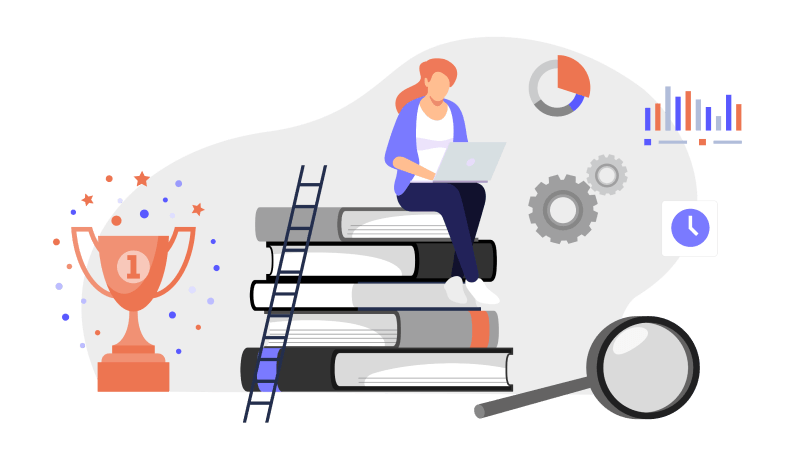
The infrastructure supporting lifelong learning is expanding rapidly, making it easier than ever to engage.
The Rise of Online Learning Platforms (Coursera, edX, Udemy): These platforms have democratized access to courses from top universities and companies. They offer everything from single courses to full degrees, allowing individuals to learn at their own pace and on their own schedule.
Corporate Academies and Learning & Development (L&D): Progressive companies are investing heavily in internal learning platforms, understanding that their competitive advantage is directly tied to the skills of their workforce. They are creating cultures where continuous learning is expected, supported, and rewarded.
The “60-Year Curriculum”: A concept gaining traction in higher education, proposing that universities should support alumni throughout their 60-year careers with continuous, modular education, rather than seeing their relationship end at graduation.
Case Study: IBM’s Commitment to Continuous Learning – A Corporate Blueprint
IBM, a company over a century old, has consistently reinvented itself by fostering a powerful culture of lifelong learning among its employees.
- The Challenge: As IBM shifted from hardware to cloud computing and AI, it needed to reskill a massive, global workforce.
- The Strategy: IBM created a comprehensive learning ecosystem. This includes:
- Your Learning Platform: A personalized learning platform that recommends content based on an employee’s role and career aspirations.
- Internal Badges and Credentials: A system for recognizing and validating new skills acquired, which are valued internally for career progression.
- “New Collar” Jobs: A focus on hiring for skills and potential, not just traditional degrees, and then investing heavily in training these hires.
- The Outcome: IBM has successfully transformed its business and workforce. It reports that employees who engage with its learning platform are more likely to be promoted and have higher retention rates.
- Lesson Learned: For an organization to thrive in the long term, it must view employee learning not as an expense, but as a strategic investment. The most successful modern corporations are, in essence, learning organisms. This strategic, long-term view is as critical to corporate survival as smart global supply chain management is to operational efficiency.
Real-Life Examples
- The Marketing Manager: A traditional marketer who dedicates an hour each week to learning about SEO and data analytics, ensuring their skills remain relevant in a digital-first world.
- The Retired Engineer: After retirement, she starts learning about art history through online courses and local museum lectures, discovering a new passion and intellectual community.
- The Small Business Owner: He proactively learns about e-commerce and digital marketing through resources like our blog, allowing him to expand his local brick-and-mortar store into a ecommerce business setup that serves a national audience.
Conclusion & Key Takeaways
The lifelong learning mindset is the ultimate tool for agency in the 21st century. It empowers you to shape your career, enrich your life, and meet the future not with anxiety, but with excitement and capability.
Key Takeaways:
- Mindset is the Foundation: Cultivating a growth mindset is the essential first step to becoming a lifelong learner.
- Consistency Over Intensity: Small, daily learning habits are far more sustainable and effective than sporadic, intense bursts.
- Learning is a Social Activity: Building a personal learning network provides motivation, support, and diverse perspectives.
- Application is Key: True learning is demonstrated through doing and teaching, not just consuming information.
- It’s a Personal Journey: The most effective learning strategy is the one that aligns with your interests, goals, and lifestyle.
Embracing lifelong learning is a commitment to never being finished, to always being a work in progress. It is the most rewarding investment you can make in yourself. For more resources and inspiration on your learning journey, explore our full archive in the Our Focus category and don’t hesitate to reach out via our Contact Us page with your own learning stories.
Frequently Asked Questions (FAQs)
- How is lifelong learning different from adult education?
Adult education often refers to formal, structured programs. Lifelong learning is a broader, self-directed philosophy that includes formal, informal, and experiential learning throughout life. - What are the first steps to becoming a lifelong learner?
Start with curiosity. Identify one thing you’re genuinely curious about and spend 15 minutes a day for a week exploring it through articles, videos, or podcasts. - How can I find time for learning with a full-time job and family?
Audit your time. Replace 30 minutes of passive screen time with active learning. Use audio-based learning during commutes or chores. Schedule learning time like any other important appointment. - Is lifelong learning expensive?
It can be very low-cost. Public libraries, free online courses (Coursera, edX), YouTube tutorials, and podcasts offer vast amounts of high-quality free content. - How do I stay motivated when learning gets difficult?
Connect your learning to a larger goal. Remember your “why.” Break the topic down into smaller, more manageable chunks, and celebrate small wins. Find a learning buddy for accountability. - What skills are most important for lifelong learners to develop?
Meta-skills like learning how to learn, critical thinking, adaptability, and communication are foundational because they enable you to acquire all other skills more effectively. - Can lifelong learning help with a career change?
Absolutely. It is the primary mechanism for a career pivot. By systematically learning the skills and knowledge of a new field, you can make yourself a viable candidate for a new role. - How do I know what I should be learning?
Look at job descriptions for roles you aspire to, follow industry news, listen to problems your company or industry is facing, and, most importantly, listen to your own curiosity. - What is the role of failure in lifelong learning?
Failure is an essential data point. It’s not a reflection of your ability but an indicator of where you need to focus your learning efforts. Embrace it as part of the process. - How can I measure my progress as a lifelong learner?
Track completed courses or books, but more importantly, track your ability to apply knowledge. Can you solve a problem you couldn’t before? Can you explain a concept clearly to others?


