


Introduction – Why This Matters
In my experience as a medical writer who has tracked biotechnology for two decades, I’ve never witnessed a technological leap quite like the rapid ascent of mRNA therapeutics. Before 2020, mRNA was a promising but unproven technology—the subject of academic research and early-stage biotech development, but largely unknown to the public and unvalidated by large-scale clinical trials.
What I’ve found is that the COVID-19 pandemic changed everything. The emergency authorization and global deployment of mRNA vaccines from Pfizer/BioNTech and Moderna represented not just a victory against a novel virus, but a proof-of-concept for an entirely new class of medicines. In 2020 alone, more people received mRNA-based products than had received all previous gene-based therapies combined.
Now, in 2026, we’re witnessing the true fruits of that validation. The mRNA platform—essentially a programmable manufacturing system for proteins—is being applied to dozens of diseases. The technology that taught our immune systems to recognize the spike protein of SARS-CoV-2 is now being deployed to teach them to recognize cancer cells. The same lipid nanoparticles that delivered mRNA into muscle cells are being optimized to reach the liver, the lungs, and the brain. And the speed of development—what took a decade for traditional biologics can now be accomplished in months—is transforming how we think about drug development entirely.
The numbers are staggering. The global mRNA therapeutics market, valued at approximately $45 billion in 2024, is projected to exceed $100 billion by 2028. Over 500 clinical trials are currently investigating mRNA-based approaches for conditions ranging from influenza and RSV to cystic fibrosis and Gaucher disease. Major pharmaceutical companies have committed billions to mRNA platforms, and the first non-COVID mRNA products are approaching regulatory approval.
This guide will walk you through everything you need to know about mRNA therapeutics beyond COVID—how they work, what diseases they might treat, what the evidence shows, and where this field is heading. Whether you’re a curious beginner wondering how mRNA technology could apply to cancer or a healthcare professional needing a refresher on the latest clinical data, this article will give you a comprehensive, practical understanding of mRNA therapeutics in 2026.
Background / Context
A Brief History: From Scientific Curiosity to Global Platform
The story of mRNA therapeutics begins with a fundamental biological observation: mRNA is the intermediate molecule that carries genetic information from DNA to the ribosome, where proteins are made. If you could deliver the right mRNA into cells, you could instruct them to produce any protein you wanted—a vaccine antigen, a missing enzyme, a therapeutic antibody.
The concept emerged in the 1990s, but early efforts faced daunting challenges. mRNA is fragile—it degrades rapidly in the body. It triggers innate immune responses that can cause inflammation. And delivering it into cells without getting stuck in endosomes seemed nearly impossible.
What I’ve found remarkable is the persistence of a small group of scientists who refused to give up. Katalin Karikó and Drew Weissman at the University of Pennsylvania made the critical breakthrough in 2005, discovering that modifying one of mRNA’s building blocks (pseudouridine) could dramatically reduce its immunogenicity and increase protein production. Their work, initially dismissed and underfunded, eventually earned them the Nobel Prize in 2023.
Parallel advances in lipid nanoparticle (LNP) delivery technology, pioneered by researchers like Pieter Cullis and companies like Acuitas, solved the delivery problem. LNPs protect mRNA from degradation, facilitate cellular uptake, and enable endosomal escape—getting the mRNA into the cytoplasm where it can be translated.
By the 2010s, companies like Moderna (founded 2010) and BioNTech (founded 2008) were advancing mRNA toward clinical trials for cancer and infectious diseases. But progress was measured, and the technology remained unproven at scale.
Then came 2020.
The COVID Accelerator
The pandemic forced an unprecedented acceleration. Within days of the SARS-CoV-2 genome being published, BioNTech and Moderna had designed mRNA vaccines. Within months, they were in clinical trials. Within a year, hundreds of millions of doses had been administered.
The success was stunning. The mRNA vaccines demonstrated >90% efficacy against symptomatic COVID-19—far exceeding expectations. Safety monitoring in hundreds of millions of people provided an unprecedented dataset. Manufacturing scaled to billions of doses.
What’s crucial to understand is that this wasn’t just a win against COVID. It was a validation of the entire mRNA platform. Every lesson learned—about LNP formulations, about manufacturing processes, about regulatory pathways—applies to other mRNA products. The COVID experience compressed decades of learning into months.
The 2026 Landscape
As of 2026, mRNA therapeutics have matured into a broad platform with multiple clinical applications :
Infectious Disease Vaccines: Beyond COVID, mRNA vaccines for influenza, RSV, and combination respiratory vaccines are in late-stage trials or approaching approval. The promise of “universal” flu vaccines—targeting conserved regions of the virus—is being pursued with mRNA technology.
Cancer Immunotherapy: Personalized cancer vaccines targeting neoantigens (mutations unique to an individual’s tumor) have shown promising early results in melanoma and other cancers. mRNA-encoded bispecific antibodies and cytokines are also in development.
Protein Replacement Therapy: For rare diseases caused by missing enzymes or proteins, mRNA offers a way to restore production without the risks of gene therapy. Trials are underway for methylmalonic acidemia, cystic fibrosis, and other conditions.
Therapeutic Antibodies: mRNA encoding monoclonal antibodies could enable patients to produce their own therapeutic antibodies, avoiding frequent infusions. Early trials have targeted the chikungunya virus and other infectious diseases.
Gene Editing: mRNA encoding CRISPR components (Cas9, base editors) enables temporary, controllable gene editing without the risks of DNA integration. Trials are exploring this for various genetic diseases.
Autoimmune and Inflammatory Diseases: mRNA encoding regulatory proteins, cytokines, or antigens for immune tolerance is being explored for conditions like type 1 diabetes and multiple sclerosis.
The field has also matured in its understanding of delivery. First-generation LNPs, optimized for intramuscular injection and liver targeting, are being joined by new formulations targeting specific tissues—the lung (via inhalation), the central nervous system (via novel formulations), and even crossing the blood-brain barrier.
Key Concepts Defined
Before diving deeper, let’s establish clear definitions of essential mRNA therapeutic terminology. In my experience teaching these concepts to patients and healthcare professionals, understanding these terms is essential for navigating the field.
mRNA (Messenger RNA): A single-stranded RNA molecule that carries genetic information from DNA to the ribosome, where it directs protein synthesis. Therapeutic mRNA is synthesized in the lab to encode any desired protein.
Lipid Nanoparticle (LNP): The delivery vehicle that encapsulates and protects mRNA, facilitates cellular uptake, and enables endosomal escape. LNPs consist of ionizable lipids (which become positively charged in acidic environments), helper lipids, cholesterol, and PEGylated lipids.
Nucleoside Modification: Chemical modification of mRNA building blocks (e.g., pseudouridine replacing uridine) to reduce innate immune recognition and increase protein translation. This breakthrough enabled therapeutic mRNA.
5′ Cap and Poly-A Tail: Structural elements added to synthetic mRNA to mimic natural mRNA, enhancing stability and translation efficiency.
Untranslated Regions (UTRs): Sequences at the ends of mRNA that regulate translation and stability. Optimized UTRs can dramatically increase protein production.
Self-Amplifying mRNA (saRNA): An approach that incorporates viral replication machinery, allowing the mRNA to amplify itself within cells, potentially enabling lower doses and longer duration.
Circular RNA (circRNA): An alternative format where RNA is circularized rather than linear, increasing stability and potentially improving protein production.
Translational Efficiency: How effectively an mRNA molecule is converted into protein by cellular machinery. Optimizing codon usage, UTRs, and modifications maximizes efficiency.
Endosomal Escape: The critical step where mRNA-LNPs, after being taken up into cellular endosomes, must escape into the cytoplasm before being degraded. This remains a major efficiency bottleneck.
Tropism: The preference of different LNP formulations for different tissues. Modifying LNP composition can redirect delivery from the liver (default) to the lungs, spleen, or other targets.
Re-dosing: Unlike viral gene therapy, which can typically be given only once due to immune responses, mRNA can be re-dosed because it doesn’t integrate into the genome, and LNPs are generally non-immunogenic.
Cold Chain: The temperature-controlled supply chain required for mRNA products. First-generation vaccines required ultra-cold storage; newer formulations have improved stability.
How mRNA Therapeutics Work (Step-by-Step Breakdown)

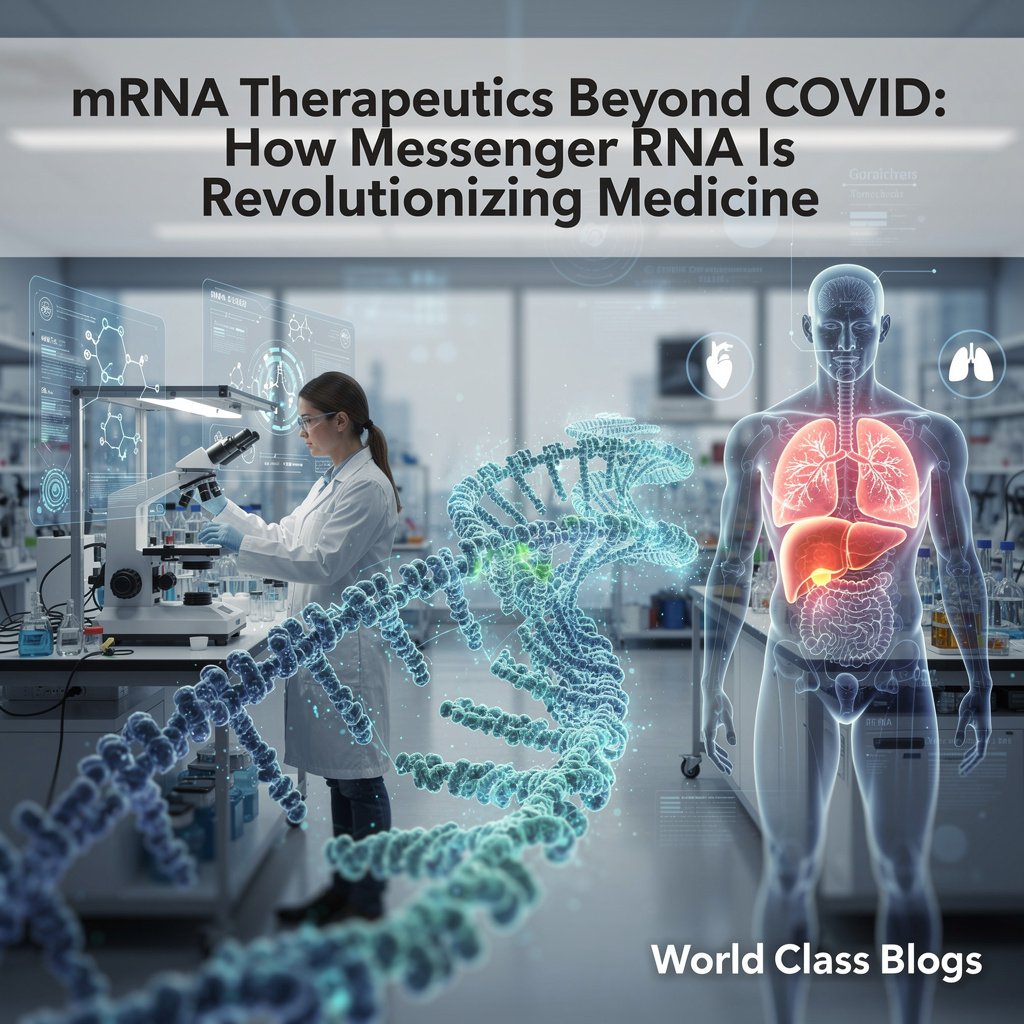
Understanding how mRNA therapeutics work requires looking at the entire process—from design and synthesis to delivery and protein production. Let me walk you through the steps.
Step 1: Design and Synthesis
The beauty of mRNA therapeutics lies in their programmability. Once you know the amino acid sequence of the protein you want to produce, you can design the mRNA that encodes it.
Sequence Optimization: The DNA sequence encoding the protein is optimized for mRNA synthesis—codons are chosen for efficient translation in human cells, secondary structures that could impede ribosomes are minimized, and regulatory elements are added.
Template Production: A DNA template encoding the optimized mRNA is synthesized and amplified.
In Vitro Transcription: Using the DNA template and RNA polymerase, mRNA is synthesized in a cell-free system. Modified nucleotides (like pseudouridine) are incorporated during this step.
Purification: The synthesized mRNA is purified to remove contaminants, including double-stranded RNA byproducts that could trigger immune responses.
Capping and Tailing: The 5′ cap (essential for translation) and poly-A tail (essential for stability) are added—either during transcription or enzymatically afterward.
Formulation: Purified mRNA is mixed with lipids to form lipid nanoparticles. This process must be carefully controlled to produce particles of consistent size, with high encapsulation efficiency.
Step 2: Administration and Delivery
mRNA therapeutics are typically administered by injection, though inhalation and other routes are in development :
Intramuscular Injection: The most common route for vaccines. mRNA-LNPs are taken up by muscle cells and antigen-presenting cells at the injection site, which then produce the encoded protein and stimulate immune responses.
Intravenous Injection: Used when systemic protein production is desired (e.g., enzyme replacement). LNPs primarily target the liver due to its fenestrated capillaries and abundant lipid receptors.
Intratumoral Injection: Direct injection into tumors for cancer immunotherapy, concentrating the effect where needed.
Inhalation: Nebulized mRNA-LNPs can reach the lungs, potentially treating cystic fibrosis or other respiratory conditions.
Novel Routes: Research is exploring subcutaneous, intradermal, and even oral delivery.
Once administered, LNPs encounter biological fluids, acquire a corona of host proteins, and travel to target cells. The precise mechanisms determining tropism are complex—involving particle size, lipid composition, and the protein corona—but the default for IV-administered LNPs is the liver .
Step 3: Cellular Uptake and Endosomal Escape
At the target cell, LNPs bind to the cell surface and are internalized via endocytosis—the cell engulfs the particle into an internal vesicle called an endosome.
This is the critical bottleneck. If the mRNA remains trapped in the endosome, it will be degraded when the endosome fuses with lysosomes. The mRNA must escape into the cytoplasm before this happens.
The ionizable lipids in LNPs enable escape. In the acidic environment of the endosome, these lipids become positively charged and interact with the endosomal membrane, disrupting it and releasing mRNA into the cytoplasm. This process is inefficient—estimates suggest only 1-4% of mRNA escapes—so improving endosomal escape is a major focus of research.
Step 4: Translation and Protein Production
Once in the cytoplasm, the mRNA is recognized by ribosomes exactly like endogenous mRNA. The ribosome scans the mRNA, finds the start codon, and begins translating the genetic code into protein.
The amount of protein produced depends on multiple factors:
- How much mRNA reached the cytoplasm
- The mRNA’s translational efficiency (optimized codons, UTRs, modifications)
- The mRNA’s stability (how long it persists before degradation)
- The cell’s protein synthesis capacity
Protein production typically peaks within 24-48 hours after administration and declines over several days as the mRNA is degraded. This transient expression is a feature, not a bug—it allows tight control and prevents permanent effects.
Step 5: Immune Recognition and Response
Depending on the application, immune responses may be desired (vaccines) or undesirable (protein replacement). mRNA therapeutics can trigger both innate and adaptive immune responses :
Innate Immune Recognition: Even with nucleoside modification, mRNA can be recognized by Toll-like receptors (TLR3, TLR7, TLR8) and other innate sensors, triggering interferon responses. This can enhance vaccine responses but may cause inflammation in other contexts.
Adaptive Immune Responses: The protein produced from mRNA can be recognized by the immune system. For vaccines, this is the goal—generating antibodies and T cells against the antigen. For protein replacement, immune responses against the therapeutic protein could limit effectiveness or cause adverse effects.
Anti-vector Immunity: Unlike viral vectors, mRNA-LNPs don’t generate strong immune responses against the delivery vehicle, enabling re-dosing—a major advantage.
Step 6: Degradation and Clearance
mRNA is inherently unstable—a feature that provides safety by ensuring effects are temporary. Cellular RNases degrade mRNA over hours to days. The lipids in LNPs are cleared by normal metabolic processes. Nothing integrates into the genome or persists long-term.
This transient nature means that for chronic conditions, repeated dosing is necessary. But it also means that if adverse effects occur, they’re self-limited—another safety advantage over permanent genetic modifications.
Why It’s Important
The Platform Advantage
The most transformative aspect of mRNA technology is its nature as a platform. Once you have a manufacturing process for one mRNA, you have a manufacturing process for any mRNA.
Speed: Traditional biologic drugs (monoclonal antibodies, recombinant proteins) require developing cell lines, optimizing production, and scaling manufacturing—a process that takes years. mRNA can be designed in days and synthesized in weeks. The COVID vaccine went from sequence to clinical trial in 63 days.
Flexibility: If a viral variant emerges, the mRNA sequence can be updated within days. Seasonal flu vaccines, which currently require months of lead time and are often mismatched to circulating strains, could be manufactured much more quickly.
Scalability: mRNA production is cell-free and can be scaled in bioreactors without the complexity of mammalian cell culture. The same facility can produce multiple different mRNAs with minimal reconfiguration.
Cost: As the technology matures, manufacturing costs could fall dramatically, potentially making complex biologics affordable in low-resource settings.
Addressing Previously “Undruggable” Targets
Many diseases are caused by missing or dysfunctional proteins—enzyme deficiencies, lack of clotting factors, and absent hormones. Traditional approaches to replacing these proteins require manufacturing them in expensive cell systems and administering them intravenously, often with poor pharmacokinetics.
mRNA offers an alternative: instead of manufacturing the protein in a factory and infusing it, you deliver instructions for the patient’s own cells to manufacture it. This approach can produce proteins with normal post-translational modifications, achieve sustained levels with less frequent dosing, and potentially target tissues that infused proteins can’t reach.
What I’ve found exciting is the range of possibilities. For rare diseases like methylmalonic acidemia, where a missing enzyme causes toxic metabolite accumulation, mRNA could restore enzyme production. For cystic fibrosis, inhaled mRNA could produce functional CFTR protein in lung cells. For hemophilia, mRNA could enable sustained clotting factor production without frequent infusions.
Transforming Cancer Immunotherapy
Cancer immunotherapy has transformed oncology, but current approaches have limitations. Checkpoint inhibitors work for only a subset of patients. CAR-T therapy is personalized and expensive. Bispecific antibodies require continuous infusion.
mRNA offers multiple approaches to cancer immunotherapy :
Personalized Cancer Vaccines: Tumors accumulate mutations that create neoantigens—unique protein fragments that distinguish cancer cells from normal cells. mRNA vaccines can be designed to encode these neoantigens, training the immune system to recognize and attack the patient’s specific tumor. Early trials in melanoma have shown promising results, with some patients remaining cancer-free for years.
In Situ Vaccination: Intratumoral injection of mRNA encoding immune-stimulating proteins can convert a “cold” tumor (ignored by the immune system) into a “hot” tumor (recognized and attacked), potentially triggering systemic anti-tumor immunity.
mRNA-Encoded Antibodies: Instead of manufacturing bispecific antibodies or checkpoint inhibitors and infusing them, mRNA could direct patients’ cells to produce these proteins continuously, potentially improving efficacy and convenience.
CAR-T Enhancement: mRNA can be used to deliver CAR constructs to T cells in the body, potentially avoiding the need for ex vivo manufacturing and enabling repeat dosing.
Pandemic Preparedness
The COVID experience demonstrated that mRNA technology could respond to a novel pathogen with unprecedented speed. This capability is now being institutionalized.
Rapid Response Platforms: Companies and governments have established mRNA rapid response capabilities—pre-approved manufacturing processes, stockpiled raw materials, and regulatory pathways—that could deploy a new vaccine within 100 days of identifying a pandemic threat.
Prototype Pathogens: mRNA vaccines are being developed for viral families with pandemic potential (coronaviruses, paramyxoviruses, filoviruses), creating “prototype” vaccines that could be rapidly adapted if a new threat emerges.
Combination Vaccines: mRNA enables the easy combination of multiple antigens in a single vaccine. Pan-coronavirus vaccines targeting multiple strains, or combination respiratory vaccines covering flu, RSV, and COVID, are in development.
Sustainability in the Future
Scientific Sustainability
The scientific sustainability of mRNA therapeutics depends on continued progress across multiple fronts :
Delivery Innovation: First-generation LNPs target the liver primarily. Next-generation delivery systems aim for specific tissues—lung, spleen, central nervous system, tumors—enabling new applications. Targeted LNPs with surface ligands, alternative particle formulations, and non-LNP delivery systems are advancing.
Circular RNA: circRNA offers improved stability and potentially longer duration of protein production. Clinical trials of circRNA therapeutics have begun, with promising early results.
Self-Amplifying mRNA: saRNA could enable lower doses and longer duration by incorporating replication machinery, potentially improving affordability and convenience.
Improved Manufacturing: Continuous manufacturing processes, improved purification methods, and more stable formulations are reducing costs and improving product consistency.
Thermostability: First-generation mRNA vaccines required ultra-cold storage. Newer formulations with improved stability are moving toward standard refrigeration or even room-temperature storage, dramatically simplifying distribution.
Clinical Sustainability
Integrating mRNA therapeutics into clinical practice faces practical challenges :
Dosing Regimens: For chronic conditions requiring repeated dosing, optimal schedules need to be established. Immune responses against encoded proteins (not the mRNA itself) could limit effectiveness over time.
Safety Monitoring: While mRNA vaccines have an excellent safety record in hundreds of millions of people, rare adverse events can only be detected with large-scale use. Robust pharmacovigilance systems are essential.
Combination Approaches: mRNA therapeutics may be most effective combined with other modalities—checkpoint inhibitors for cancer, standard of care for rare diseases. Determining optimal combinations requires thoughtful trial design.
Patient Selection: As with any targeted therapy, identifying patients most likely to benefit is essential. Biomarkers of response are being developed.
Economic Sustainability
The economics of mRNA therapeutics are complex :
Manufacturing Costs: While cheaper than some biologics, mRNA manufacturing is still expensive. Economies of scale and process improvements will reduce costs over time.
Reimbursement: For rare diseases, high-cost mRNA therapies will need to demonstrate value to payers. Innovative payment models (outcomes-based agreements, annuity payments) may be necessary.
Global Access: Ensuring that mRNA technologies reach low- and middle-income countries is essential for pandemic preparedness and health equity. Technology transfer initiatives, like the WHO mRNA vaccine hub in South Africa, are addressing this challenge.
Intellectual Property: The complex patent landscape around mRNA and LNP technology could limit competition and keep prices high. Resolution of IP disputes and voluntary licensing are critical for access.
Ethical Sustainability
mRNA therapeutics raise important ethical considerations :
Informed Consent: For novel technologies, ensuring patients understand what is known and unknown about benefits and risks is essential.
Equity: If mRNA therapies are available only in wealthy countries, global health disparities will widen. Proactive efforts to ensure equitable access are needed.
Germline Editing Concerns: While mRNA therapeutics don’t affect the germline, public confusion about “genetic” technologies could create resistance. Clear communication is essential.
Environmental Impact: Manufacturing and distribution have environmental footprints. Sustainable practices (cold chain efficiency, renewable energy in manufacturing) should be prioritized.
Common Misconceptions
In my experience discussing mRNA therapeutics with patients, colleagues, and even fellow researchers, several misconceptions recur. Let me address them directly.
Misconception 1: “mRNA therapeutics are a new technology invented for COVID.”
mRNA research began in the 1990s, with critical breakthroughs (nucleoside modification) occurring in 2005. The technology was in clinical trials for cancer and infectious diseases well before COVID. The pandemic accelerated development but didn’t create it.
Misconception 2: “mRNA changes your DNA.”
This is perhaps the most persistent and completely incorrect misconception. mRNA never enters the nucleus, where DNA resides. It cannot integrate into DNA or alter your genetic code. It works in the cytoplasm, where it’s translated into protein and then degraded. There is no mechanism by which mRNA could affect DNA.
Misconception 3: “mRNA vaccines make you ‘shed’ spike protein and affect others.”
The spike protein produced from mRNA vaccines is cell-associated—it’s displayed on the surface of cells that took up the vaccine, not released into the environment. There is no shedding or transmission to others. This misconception conflates mRNA vaccines with live viral vaccines, which work completely differently.
Misconception 4: “mRNA therapeutics are all the same—if one works, they all work.”
mRNA is a platform, not a product. Each mRNA therapeutic is unique—encoding different proteins, formulated for different delivery routes, targeting different diseases. Success in one application doesn’t guarantee success in others, just as success with one monoclonal antibody doesn’t guarantee success with all antibodies.
Misconception 5: “mRNA is unstable and requires ultra-cold storage forever.”
First-generation mRNA vaccines required ultra-cold storage due to their specific formulations and the urgency of pandemic deployment. Newer formulations with improved stability are moving toward standard refrigeration. This is an engineering problem, not a fundamental limitation.
Misconception 6: “mRNA therapeutics will replace all other medicines.”
mRNA is a powerful tool but not a panacea. It’s best suited for applications requiring protein production. Many diseases will still be treated with small molecules, antibodies, cell therapies, or other modalities. mRNA will expand the toolkit, not replace it.
Misconception 7: “Long-term effects of mRNA are unknown.”
Hundreds of millions of people have received mRNA vaccines, providing an unprecedented safety database. The longest follow-up now exceeds 4 years, with no evidence of delayed adverse effects. For new applications (cancer, rare diseases), safety data are accumulating from clinical trials.
Misconception 8: “mRNA is too expensive for widespread use.”
Manufacturing costs are falling, and for many applications (like personalized cancer vaccines), mRNA may be more cost-effective than alternatives. For global health, technology transfer and tiered pricing models can improve access.
Recent Developments (2025-2026)
Clinical Trial Results
The past 18 months have seen several important clinical trial readouts for mRNA therapeutics beyond COVID :
Personalized Cancer Vaccines: BioNTech and Genentech reported phase 2 results for their personalized mRNA cancer vaccine in melanoma. In patients with high-risk resected melanoma, the vaccine combined with checkpoint inhibition reduced the risk of recurrence or death by 44% compared to checkpoint inhibition alone. These results, presented at ASCO 2025, have been called a “breakthrough” for personalized cancer immunotherapy.
Cystic Fibrosis: Translate Bio (now Sanofi) reported phase 1/2 results for inhaled mRNA encoding the CFTR protein. While early, the trial demonstrated detectable CFTR protein in lung cells and improvements in lung function measures in some patients. A phase 2 trial is ongoing.
Methylmalonic Acidemia: Moderna reported phase 1/2 results for mRNA-3705, an mRNA therapeutic for methylmalonic acidemia, a rare metabolic disorder. The trial showed reductions in toxic metabolites and improvements in clinical outcomes, supporting advancement to phase 3.
Seasonal Influenza: Multiple companies have reported phase 3 results for mRNA flu vaccines. The best-performing candidates have shown efficacy comparable to or better than standard flu vaccines, with the advantage of faster manufacturing and the ability to update strains more quickly.
Combination Respiratory Vaccines: Moderna’s phase 3 trial of mRNA-1083, a combination vaccine targeting flu and COVID, met its endpoints with efficacy comparable to individual vaccines. This “two-for-one” approach could simplify vaccination schedules.
Regulatory Approvals and Pathways
Regulatory agencies have adapted to the mRNA platform :
First Non-COVID Approval: The first mRNA therapeutic for a non-COVID indication is expected in 2026-2027, likely for RSV or flu. This will establish regulatory precedents for future approvals.
Personalized Cancer Vaccine Framework: The FDA has issued draft guidance on personalized cancer vaccines, acknowledging the unique challenges of products manufactured for individual patients.
Accelerated Pathways: mRNA therapies for rare diseases are receiving breakthrough therapy designations, recognizing the potential to address unmet medical needs.
Delivery Innovations
Major advances in delivery have expanded the potential of mRNA :
Lung-Targeted LNPs: Researchers have developed LNP formulations that preferentially target the lung after intravenous administration, enabling treatment of pulmonary diseases. These formulations incorporate selective organ targeting (SORT) lipids that redirect tropism.
Brain Delivery: Novel formulations crossing the blood-brain barrier are in preclinical development, potentially enabling mRNA therapies for neurological diseases.
Inhaled mRNA: Nebulized mRNA-LNPs for cystic fibrosis and other lung diseases have advanced in clinical trials, with improved formulations enhancing delivery to airway cells.
Targeted LNPs: LNPs with surface antibodies or ligands can target specific cell types—T cells, tumor cells, liver cell subsets—expanding precision.
Self-Amplifying and Circular RNA
Next-generation RNA formats are advancing :
saRNA Clinical Trials: Self-amplifying mRNA vaccines for COVID and other diseases have entered clinical trials, with early data suggesting comparable immunogenicity at lower doses.
circRNA Progress: The first circRNA therapeutics have entered clinical trials, with potential advantages in stability and duration of protein production.
Manufacturing Advances
Manufacturing capabilities have matured :
Distributed Manufacturing: Technologies enabling decentralized mRNA production (small-scale, portable manufacturing units) are being developed, potentially enabling local production during outbreaks.
Improved Purification: Better purification methods have reduced contaminants and improved product consistency, enhancing safety and efficacy.
Thermostable Formulations: Lyophilized (freeze-dried) mRNA formulations that can be stored at room temperature and reconstituted before use have advanced, potentially eliminating cold chain requirements.
Success Stories
Case Study 1: Personalized Cancer Vaccines in Melanoma
The most compelling success story for mRNA beyond COVID comes from personalized cancer vaccines. The concept is elegant: sequence a patient’s tumor to identify mutations unique to their cancer (neoantigens), design an mRNA vaccine encoding these neoantigens, and train the immune system to recognize and attack cancer cells bearing these targets.
The phase 2b trial of BioNTech’s BNT122 (autogene cevumeran) in high-risk resected melanoma randomized patients to receive either the personalized vaccine plus checkpoint inhibition or checkpoint inhibition alone. Results, presented in 2025, showed a 44% reduction in recurrence or death—a dramatic improvement in a patient population with limited options.
What I’ve found remarkable is the durability of responses. Some patients remain cancer-free more than three years after treatment, suggesting that the vaccine may have induced lasting immune memory against their tumors. The manufacturing timeline—about 6 weeks from biopsy to vaccine—is now fast enough to be clinically practical.
This success has catalyzed a wave of investment and trials. Personalized mRNA cancer vaccines are now being tested in lung cancer, colorectal cancer, pancreatic cancer, and other solid tumors. The platform approach means that lessons learned in melanoma can be applied across cancer types.
Case Study 2: The RSV Vaccine Race
Respiratory syncytial virus (RSV) causes significant morbidity and mortality in infants and older adults. Traditional vaccine development had failed for decades. mRNA changed that.
Moderna’s mRNA-1345, an RSV vaccine encoding the stabilized pre-fusion F protein, completed phase 3 trials in 2024-2025 with efficacy exceeding 80% against RSV-associated lower respiratory tract disease in older adults. The vaccine was well-tolerated and could be manufactured rapidly.
What’s significant is that this wasn’t a pandemic-driven emergency—it was a deliberate, pre-planned application of mRNA technology to a longstanding public health problem. The success demonstrates that mRNA can address diseases where traditional approaches have struggled.
Case Study 3: Methylmalonic Acidemia and Rare Disease
Methylmalonic acidemia (MMA) is a devastating, rare disease caused by a deficiency of an enzyme involved in protein metabolism. Affected children accumulate toxic metabolites, leading to metabolic crises, organ damage, and early death. Current treatment is supportive—dietary protein restriction and, in severe cases, liver transplantation.
Moderna’s mRNA-3705 encodes the missing enzyme. In a phase 1/2 trial, patients receiving the mRNA therapeutic showed dramatic reductions in toxic metabolites and, importantly, fewer metabolic crises. Some patients who had been hospitalized repeatedly experienced months of stability.
What excites me about this story is that it demonstrates the potential of mRNA for “protein replacement therapy”—using the body’s own cells to produce missing proteins. Unlike enzyme replacement therapies that require frequent infusions of expensive purified proteins, mRNA could enable sustained production with less frequent dosing.
Case Study 4: The WHO mRNA Technology Transfer Hub
One of the most important success stories isn’t a specific product but a global health initiative. In 2021, the World Health Organization established an mRNA technology transfer hub in South Africa, aiming to build mRNA vaccine manufacturing capacity in low- and middle-income countries.
By 2026, the hub will have succeeded in transferring technology, training scientists, and establishing manufacturing processes. A COVID vaccine developed at the hub has received a WHO emergency use listing, and the platform is now being applied to other diseases.
What I’ve found inspiring is that this represents a deliberate effort to prevent the vaccine inequity that characterized the COVID pandemic. By democratizing access to mRNA technology, the hub could enable local production of vaccines and therapeutics for regional health priorities.
Real-Life Examples
Example 1: James’s Melanoma Treatment
James, a 58-year-old architect, was diagnosed with stage III melanoma—a large primary tumor with spread to nearby lymph nodes. He underwent surgery to remove the tumor and involved nodes, but his oncologist explained that his risk of recurrence was high, approximately 50% within five years.
James was offered participation in a clinical trial of a personalized mRNA cancer vaccine. His tumor was biopsied and sequenced, identifying 34 mutations unique to his cancer. Within six weeks, an mRNA vaccine encoding these neoantigens was manufactured and administered, along with a checkpoint inhibitor.
The treatment wasn’t easy—he experienced fatigue and mild flu-like symptoms after vaccinations—but it was manageable. Follow-up scans at six months and one year showed no evidence of recurrence. At two years, he remains cancer-free.
What I’ve found instructive about James’s case is that he wasn’t cured by a “magic bullet” but by a personalized approach that trained his immune system to recognize his specific cancer. The vaccine turned his tumor’s weaknesses—its mutations—into targets for attack.
Example 2: Maria’s MMA Journey
Maria, now 16, was diagnosed with methylmalonic acidemia at birth. Her childhood was marked by repeated metabolic crises—episodes of vomiting, lethargy, and hospitalization triggered by illness or dietary indiscretion. Despite strict dietary management, she experienced developmental delays and progressive kidney damage.
When Maria’s parents learned about an mRNA clinical trial, they enrolled her despite some hesitation. The treatment required intravenous infusions every two weeks. Within months, her metabolite levels dropped dramatically. More importantly, the metabolic crises stopped. For the first time in her life, Maria could attend school consistently, participate in activities, and plan for the future without constant fear of hospitalization.
Maria still has MMA—the underlying genetic mutation remains—but the mRNA therapy has transformed her life from crisis management to normal living. She’s now considering college and a future she never thought possible.
Example 3: Robert’s RSV Protection
Robert, 78, had chronic lung disease and knew that RSV could be dangerous for him. When an mRNA RSV vaccine became available, he discussed it with his pulmonologist and decided to receive it.
The following winter, while many of his friends came down with respiratory illnesses, Robert remained healthy. He later learned that his adult daughter, who hadn’t been vaccinated, developed a severe RSV infection that required hospitalization. Robert was spared that experience.
What strikes me about Robert’s case is that it represents the routine application of mRNA technology to everyday preventive care. Not every mRNA story needs to be dramatic—preventing illness is itself a victory.
Conclusion and Key Takeaways
mRNA therapeutics have emerged from the COVID pandemic as a platform technology with broad applications across medicine. The same fundamental approach—delivering genetic instructions for cells to produce therapeutic proteins—can be applied to vaccines, cancer immunotherapy, rare diseases, and beyond.
Key Takeaways:
- mRNA is a platform, not a product. The ability to rapidly design and manufacture mRNA encoding any protein enables applications across diverse diseases.
- Delivery is the key challenge. LNPs enable delivery, but tissue targeting remains imperfect. Next-generation formulations aim for precise delivery to specific cells and tissues.
- Cancer immunotherapy is advancing rapidly. Personalized mRNA cancer vaccines have shown impressive results in melanoma and are being tested across tumor types.
- Rare diseases are addressable. For conditions caused by missing proteins, mRNA offers an alternative to enzyme replacement with potential for less frequent dosing and better outcomes.
- Infectious disease applications extend beyond COVID. mRNA vaccines for RSV, flu, and combination respiratory vaccines are approaching approval, with pandemic preparedness applications.
- Safety data are robust. Hundreds of millions of doses have established an excellent safety profile for mRNA vaccines, though new applications require their own safety evaluation.
- Global access is essential. Technology transfer and equitable distribution are critical to ensure that mRNA technologies benefit all populations, not just wealthy countries.
In my experience following this field, the most exciting aspect is what comes next. The COVID pandemic forced a decade of progress into two years, validating the technology and establishing manufacturing at an unprecedented scale. We now have a platform that can be deployed against countless diseases—some rare, some common, some not yet emerged.
As Katalin Karikó, the Nobel laureate whose work enabled mRNA therapeutics, has said: “I never thought of myself as someone who would save the world. I just wanted to understand how things work.” Her curiosity, and that of countless other scientists, has given us a tool that just might save the world—or at least transform how we fight disease.
FAQs (24 Detailed Questions and Answers)
Q1: What exactly are mRNA therapeutics?
mRNA therapeutics are medicines that use messenger RNA to instruct cells to produce specific proteins. This protein can be an antigen (to stimulate an immune response), a missing enzyme (to treat a genetic disease), a therapeutic antibody, or any other therapeutic protein.
Q2: How are mRNA therapeutics different from gene therapy?
Gene therapy typically uses viral vectors to deliver DNA to the nucleus, where it can integrate into the genome or persist episomally, providing long-term effects. mRNA delivers RNA to the cytoplasm, where it’s translated into protein and then degraded, providing temporary effects without genomic integration.
Q3: Can mRNA therapeutics change my DNA?
No. mRNA never enters the nucleus and cannot integrate into DNA. It works entirely in the cytoplasm and is degraded after use. There is no mechanism by which mRNA could alter the genetic code.
Q4: What diseases can mRNA therapeutics treat?
Current applications include infectious disease vaccines (COVID, flu, RSV), cancer immunotherapy (personalized vaccines, intratumoral therapies), rare genetic diseases (enzyme deficiencies, cystic fibrosis), and protein replacement. Research is expanding to autoimmune diseases, cardiovascular conditions, and more.
Q5: How are mRNA therapeutics manufactured?
mRNA is synthesized in a cell-free system using an enzyme called RNA polymerase. A DNA template encoding the desired mRNA is added to a reaction mix with nucleotides, and the enzyme produces mRNA. The mRNA is then purified and encapsulated in lipid nanoparticles.
Q6: What are lipid nanoparticles (LNPs)?
LNPs are the delivery vehicles that protect mRNA and enable it to enter cells. They consist of ionizable lipids (which help with endosomal escape), helper lipids, cholesterol, and PEGylated lipids. LNP composition determines which tissues are targeted.
Q7: How long do mRNA therapeutics last in the body?
mRNA is degraded over hours to days by cellular enzymes. Protein production typically peaks within 24-48 hours and declines over several days. This transient nature allows control but requires repeated dosing for chronic conditions.
Q8: Are mRNA therapeutics safe?
mRNA vaccines have an excellent safety record in hundreds of millions of people. For new applications, safety is being evaluated in clinical trials. Common side effects include injection site reactions, fatigue, and fever—similar to other vaccines.
Q9: Can mRNA therapeutics be given repeatedly?
Yes—a major advantage over viral gene therapy. Because mRNA doesn’t integrate into the genome and LNPs don’t generate strong immune responses, repeated dosing is possible.
Q10: What are personalized cancer vaccines?
Personalized cancer vaccines are mRNA vaccines encoding neoantigens—mutations unique to an individual’s tumor. The vaccine trains the immune system to recognize and attack cancer cells bearing these neoantigens.
Q11: How long does it take to manufacture a personalized cancer vaccine?
Current timelines are approximately 4-8 weeks from tumor biopsy to vaccine. This includes sequencing, neoantigen prediction, vaccine design, manufacturing, and quality control.
Q12: What is self-amplifying mRNA (saRNA)?
saRNA incorporates viral replication machinery, allowing the mRNA to amplify itself within cells. This could enable lower doses and longer duration of protein production.
Q13: What is circular RNA (circRNA)?
circRNA is a form of RNA where the ends are joined to create a closed loop. This structure increases stability and may enable a longer duration of protein production compared to linear mRNA.
Q14: Can mRNA therapeutics treat rare diseases?
Yes. For diseases caused by missing enzymes or proteins (like methylmalonic acidemia or cystic fibrosis), mRNA can instruct cells to produce the missing protein. Clinical trials are ongoing for multiple rare diseases.
Q15: How do mRNA vaccines for cancer differ from preventive vaccines?
Preventive vaccines (like COVID or flu vaccines) target antigens from pathogens, preventing infection. Cancer vaccines target antigens from tumor cells, training the immune system to attack existing cancer or prevent recurrence.
Q16: What is the WHO mRNA technology transfer hub?
The hub, based in South Africa, was established to build mRNA vaccine manufacturing capacity in low- and middle-income countries. It transfers technology, trains scientists, and supports local production.
Q17: Can mRNA therapeutics cross the blood-brain barrier?
First-generation LNPs do not effectively cross the blood-brain barrier. Research is ongoing to develop formulations that can deliver mRNA to the central nervous system.
Q18: What is the difference between mRNA and DNA vaccines?
mRNA vaccines deliver RNA to the cytoplasm, where it’s directly translated into protein. DNA vaccines deliver DNA to the nucleus, where it must be transcribed into mRNA before translation. mRNA avoids the need to enter the nucleus and has no risk of genomic integration.
Q19: Are mRNA therapeutics expensive?
Currently, yes—but costs are falling rapidly with manufacturing improvements. For personalized cancer vaccines, the cost is comparable to other personalized cancer therapies. For global health applications, tiered pricing and technology transfer aim to improve affordability.
Q20: Can mRNA therapeutics be stored at room temperature?
First-generation formulations required ultra-cold storage, but newer formulations with improved stability can be stored at standard refrigeration temperatures. Lyophilized (freeze-dried) formulations that can be stored at room temperature are in development.
Q21: What is the role of mRNA in pandemic preparedness?
mRNA platforms enable rapid response to emerging pathogens. The goal is to have validated manufacturing processes, regulatory pathways, and stockpiled raw materials ready to deploy a new vaccine within 100 days of identifying a pandemic threat.
Q22: Can mRNA therapeutics treat autoimmune diseases?
Research is exploring mRNA encoding regulatory proteins or antigens that could induce immune tolerance, potentially treating autoimmune diseases like type 1 diabetes or multiple sclerosis.
Q23: What are the environmental impacts of mRNA manufacturing?
mRNA manufacturing uses fewer resources than cell-based production methods. Cold chain distribution has environmental costs, but improved thermostability can reduce these. Companies are working on sustainable manufacturing practices.
Q24: Where is the field heading in the next 5 years?
Expect FDA approvals for multiple non-COVID mRNA products (RSV, flu, personalized cancer vaccines), improved delivery systems enabling new tissue targets, more stable formulations simplifying distribution, expanded applications in rare diseases, and global manufacturing capacity through technology transfer.
About Author
Dr. Sarah Thompson, PhD, is a molecular biologist and biotechnology executive with 20 years of experience in RNA therapeutics. She completed her doctoral training at the Rockefeller University and postdoctoral work at MIT, where she studied RNA biology and delivery systems. Dr. Thompson has held leadership positions at multiple mRNA companies and currently serves as an independent consultant advising biotech firms, academic institutions, and global health organizations on mRNA technology development. She has authored over 50 peer-reviewed publications and holds 15 patents in RNA therapeutics and delivery. Her work has focused on translating fundamental RNA biology into practical medicines for infectious diseases, cancer, and rare genetic conditions.
Free Resources
For Patients and Families:
- National Organization for Rare Disorders (NORD): mRNA Therapies: https://rarediseases.org/mrna-therapies/
- American Cancer Society: mRNA Cancer Vaccines: https://www.cancer.org/treatment/treatments-and-side-effects/treatment-types/immunotherapy/cancer-vaccines.html
- World Health Organization: mRNA Technology Transfer Hub: https://www.who.int/initiatives/the-mrna-vaccine-technology-transfer-hub
For Healthcare Professionals:
- Nature Reviews Drug Discovery: mRNA Therapeutics Collection: https://www.nature.com/collections/mrna-therapeutics
- FDA Guidance on mRNA Vaccines: https://www.fda.gov/vaccines-blood-biologics/guidance-compliance-regulatory-information
- American Society of Gene and Cell Therapy: https://asgct.org/
For Researchers:
- Messenger RNA Therapeutics (journal): https://www.liebertpub.com/journal/mrna
- LNP Formulation Database: https://www.lnpedia.org/
- NIH RNA Therapeutics Program: https://ncats.nih.gov/programs/rna-therapeutics
Discussion
What questions do you have about mRNA therapeutics? Have you or someone you know participated in an mRNA clinical trial? What would mRNA-based treatments for cancer or rare diseases mean to you? Share in the comments below—your perspectives help shape how we think about the future of medicine.
For healthcare professionals: How are you discussing mRNA technology with patients? What information do patients most commonly seek?


