


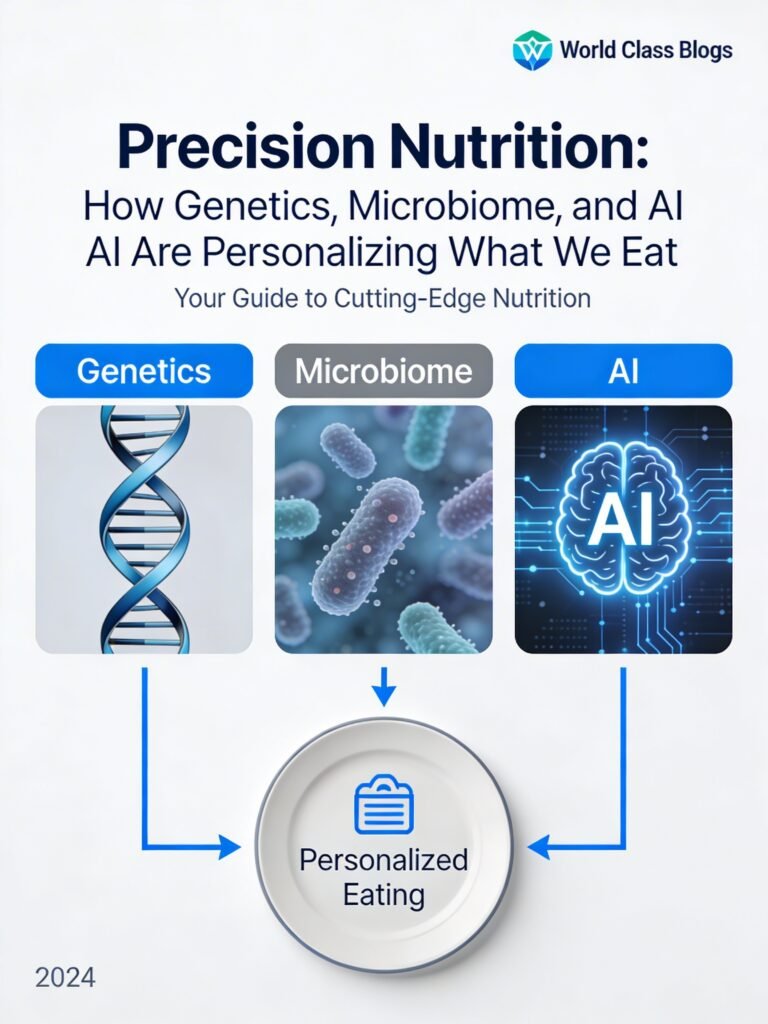
Introduction – Why This Matters
In my experience as a nutrition science writer who has followed the field for fifteen years, I’ve watched countless people struggle with generic dietary advice that simply doesn’t work for them. A close friend of mine followed a low-fat diet religiously for six months—exactly what public health guidelines recommended—and not only failed to lose weight but saw her triglycerides increase. Meanwhile, her husband ate the same meals and dropped twenty pounds effortlessly.
What I’ve found is that this frustrating variability isn’t a failure of willpower or discipline. It’s biology. Each of us processes food differently based on our unique genetic makeup, microbiome composition, metabolic status, and countless other factors. The one-size-fits-all dietary recommendations that have dominated public health for decades—low-fat, low-carb, Mediterranean, DASH—work beautifully for some people and fail miserably for others because they ignore this fundamental individuality.
The emerging field of precision nutrition aims to change that. Rather than asking “what diet works best for the average person?”—a question that assumes an “average person” actually exists—precision nutrition asks “what diet works best for this specific person, right now, given their unique biology and circumstances?” It’s the difference between buying clothes off the rack and having them custom-tailored.
The numbers driving this shift are staggering. Obesity affects over 650 million adults worldwide, with prevalence tripling since 1975. Type 2 diabetes now impacts more than 537 million adults globally, projected to reach 783 million by 2045. Cardiovascular disease remains the leading cause of death worldwide. Yet despite decades of dietary guidelines, these epidemics continue to worsen.
Traditional nutritional approaches have been criticized for good reason. They provide generalized recommendations that don’t account for individual differences in genetics, metabolism, age, sex, or lifestyle. A global dietary strategy is impossible to design that would work uniformly for all, as human nutritional needs vary greatly from one individual to another based on genetic profile, metabolic status, and gut microbiome composition.
This guide will walk you through everything you need to know about precision nutrition—how it works, what the science shows, what tools are available now, and where this field is heading. Whether you’re someone who has struggled with generic diet advice, a healthcare professional seeking to understand emerging approaches, or simply curious about the future of eating, this article will give you a comprehensive, practical understanding of precision nutrition in 2026.
Background / Context
The Failure of One-Size-Fits-All Dietary Advice
To understand why precision nutrition represents such a profound shift, we need to appreciate the fundamental limitations of traditional dietary recommendations.
Public health guidance has necessarily been population-based. When the USDA publishes dietary guidelines, when the NHS offers Eatwell Guide recommendations, they’re providing advice that should work for the greatest number of people based on average responses. This approach has had important successes—reducing trans fat consumption, increasing awareness of fruit and vegetable intake, and lowering sodium in processed foods.
But population averages hide enormous individual variability. The same meal consumed by different people produces dramatically different postprandial glucose responses—differences that can be larger than the differences between meals. Some people’s blood sugar spikes after eating white rice; others show minimal response. Some thrive on higher-fat diets; others see their cholesterol soar.
Generic diets fail to consider:
- Individual nutrient needs based on genetic variants
- Digestive health and absorption differences
- Blood sugar regulation and insulin sensitivity variations
- Inflammatory markers and chronic health conditions
- Cultural preferences, food access, and lifestyle pressures
Without this context, even well-intentioned dietary advice can lead to frustration, nutrient gaps, and weight regain. Personalized nutrition aims to close that gap.
The Emergence of Nutrigenomics
The scientific foundation for precision nutrition emerged from the Human Genome Project and subsequent research into how genes influence nutrient metabolism. Nutrigenomics—the study of how nutrients and genes interact—has revealed that common genetic variations (polymorphisms) can dramatically affect how individuals respond to dietary components.
For example, variants in the FTO gene, carried by approximately 45% of people of European descent, increase obesity risk by 20-30%. But crucially, this risk is modifiable by diet—carriers of the risk variant who consume higher-protein diets show attenuation of the genetic effect.
Similarly, variants in the APOE gene affect cholesterol metabolism. The APOE4 variant, carried by about 15-20% of the population, increases cardiovascular disease risk threefold—but this risk can be partially mitigated by limiting saturated fat intake to less than 7% of calories.
The Microbiome Revolution
Alongside genetics, the gut microbiome has emerged as a critical determinant of individual dietary responses. The trillions of bacteria in our intestines influence everything from how many calories we extract from food to how we metabolize different nutrients to our inflammatory status.
Research from the Personalized Nutrition Project at King’s College London and elsewhere has shown that microbiome composition predicts postprandial glucose responses more accurately than any other factor, including carbohydrate content of meals. Two people eating identical meals can have completely different blood sugar responses based on their unique microbial communities.
The 2026 Landscape
As of 2026, precision nutrition has moved from research curiosity to clinical reality. Major academic medical centers have established precision nutrition programs. Direct-to-consumer genetic testing companies offer nutrigenomic panels. Continuous glucose monitors, once reserved for diabetics, are increasingly used by health-conscious consumers to understand their personal responses to foods.
The market reflects this shift. The global functional and fortified foods market has grown rapidly from USD 280.7 billion in 2021, driven by rising consumer awareness of preventive nutrition and the escalating burden of diet-related chronic diseases. Consumers are increasingly seeking “solutions that are made for people like me”—tailored to their age, gender, life stage, and specific health conditions.
Technology is enabling this personalization at scale. AI-powered platforms analyze genetic data, microbiome profiles, and continuous monitoring data to generate personalized recommendations. Apps and wearables have normalized self-monitoring—26% of active US consumers use apps to track health indicators, and 31% use fitness trackers.
Key Concepts Defined
Before diving deeper, let’s establish clear definitions of essential precision nutrition terminology. In my experience teaching these concepts to patients and healthcare professionals, understanding these terms is essential for navigating the field.
Precision Nutrition: An approach to dietary advice that tailors recommendations to an individual’s unique biology, including genetics, microbiome, metabolic status, lifestyle, and environmental factors. It moves beyond one-size-fits-all protocols to personalized interventions.
Nutrigenomics: The study of how nutrients and dietary components affect gene expression. It asks: How does what we eat influence which genes are turned on or off? This differs from nutrigenetics, which examines how genetic variations affect nutrient metabolism.
Nutrigenetics: The study of how genetic variations (polymorphisms) influence individual responses to nutrients and dietary patterns. It asks: How does your DNA affect how you process different foods?
Polymorphism (SNP): A common genetic variation (single-nucleotide polymorphism) that occurs in at least 1% of the population. SNPs can affect enzyme function, receptor sensitivity, and metabolic pathways relevant to nutrition.
Postprandial Glucose Response (PPGR): The change in blood glucose levels after eating a meal. PPGR varies dramatically between individuals consuming identical foods and is influenced by genetics, microbiome, meal composition, and metabolic health.
Continuous Glucose Monitor (CGM): A wearable device that measures interstitial glucose levels continuously, providing real-time data on individual responses to foods. Originally developed for diabetes management, CGMs are increasingly used in precision nutrition research and practice.
Microbiome: The collection of microorganisms (bacteria, viruses, fungi) living in the gut, along with their genetic material. The microbiome plays a crucial role in nutrient metabolism, inflammation, and overall health.
Metabolomics: The comprehensive analysis of small molecules (metabolites) in biological samples. Metabolomics provides a snapshot of an individual’s metabolic state and can reveal how they’re responding to dietary interventions.
FTO Gene: Fat mass and obesity-associated gene. Variants in FTO are among the strongest genetic predictors of obesity risk, influencing appetite regulation, energy expenditure, and food preferences.
APOE Gene: Apolipoprotein E gene. Variants influence cholesterol metabolism and cardiovascular disease risk. The ε4 variant increases risk for both cardiovascular disease and Alzheimer’s.
MTHFR Gene: Methylenetetrahydrofolate reductase gene. Variants affect folate metabolism and homocysteine levels, with implications for cardiovascular and neurological health.
TCF7L2 Gene: Transcription factor 7-like 2 gene. Variants influence insulin secretion and type 2 diabetes risk, affecting how individuals respond to carbohydrate intake.
Postbiotics: Bioactive compounds produced by gut bacteria during fermentation of dietary fiber. These include short-chain fatty acids that influence metabolism, inflammation, and overall health.
Dietary Bioavailability: The proportion of a nutrient that is absorbed and available for physiological use. Bioavailability varies between individuals based on genetics, gut health, and food matrix effects.
How Precision Nutrition Works (Step-by-Step Breakdown)

Understanding how precision nutrition works requires looking at the multiple data streams that inform personalized recommendations and how they integrate into clinical practice. Let me walk you through the process.
Step 1: Comprehensive Data Collection
The foundation of precision nutrition is gathering multidimensional data about the individual :
Genetic Analysis: A saliva or cheek swab sample is analyzed for relevant genetic variants. Key genes examined include:
- FTO (obesity risk, protein response)
- APOE (lipid metabolism, cardiovascular risk)
- MTHFR (folate metabolism, homocysteine)
- TCF7L2 (insulin sensitivity, carbohydrate response)
- PPARG (fat metabolism, insulin sensitivity)
- ADRB2 (lipolysis, weight loss response)
- FADS1/2 (omega-3 metabolism)
- CYP1A2 (caffeine metabolism)
- Taste receptor genes (bitter, sweet, fat preferences)
Microbiome Analysis: A stool sample undergoes metagenomic sequencing to identify bacterial species and their functional potential. Key metrics include:
- Overall diversity (higher diversity is generally associated with better health)
- Relative abundance of specific beneficial bacteria (e.g., Akkermansia, Faecalibacterium)
- Presence of potentially pathogenic organisms
- Microbial genes encoding metabolic functions (fiber fermentation, vitamin synthesis)
Metabolic Assessment: Blood tests provide objective metabolic data:
- Fasting glucose and insulin
- HbA1c (average glucose over 2-3 months)
- Lipid panel (total cholesterol, LDL, HDL, triglycerides)
- Inflammatory markers (CRP, cytokines)
- Vitamin and mineral status (vitamin D, B12, iron studies)
- Liver function tests
Continuous Monitoring: Wearable devices capture dynamic data:
- Continuous glucose monitoring (CGM) reveals individual responses to specific foods and meals
- Physical activity tracking quantifies energy expenditure
- Sleep monitoring captures duration and quality
- Heart rate variability reflects stress and recovery
Dietary Assessment: Detailed evaluation of current eating patterns:
- Food frequency questionnaires or dietary recalls
- Food preferences and aversions
- Meal timing and patterns
- Cooking habits and food preparation methods
- Supplement use
Lifestyle and Environmental Factors: Contextual information includes:
- Physical activity habits
- Sleep patterns and quality
- Stress levels and management
- Medications and supplements
- Work schedule (shift work disrupts circadian rhythms, affecting metabolism)
- Social and cultural food environment
Step 2: Data Integration and Analysis
Raw data from multiple sources must be integrated into actionable insights. This is where artificial intelligence and machine learning play crucial roles :
Pattern Recognition: AI algorithms identify patterns across datasets that predict individual responses. For example, the algorithm might learn that individuals with certain FTO variants, low Akkermansia abundance, and specific CGM patterns respond best to higher protein intake at breakfast.
Predictive Modeling: Machine learning models trained on large datasets can predict how an individual will respond to different dietary interventions before they’re tried. These models become more accurate as more data accumulates.
Risk Stratification: Individuals are categorized by their genetic and metabolic risk profiles. Someone with high genetic risk for type 2 diabetes (TCF7L2 variants, family history) and elevated fasting glucose would receive different recommendations than someone with low genetic risk.
Personalized Algorithm Development: The ultimate goal is an algorithm specific to each individual that predicts their responses and optimizes recommendations in real-time based on incoming data.
Step 3: Personalized Recommendation Generation
Based on integrated data analysis, the individual receives tailored dietary guidance :
Macronutrient Optimization: Recommendations for carbohydrate, protein, and fat intake are personalized. For example:
- FTO risk variant carriers may benefit from higher protein intake (25-30% of calories)
- APOE4 carriers may need stricter limits on saturated fat (<7% of calories)
- Insulin-resistant individuals may require lower carbohydrate intake or specific carbohydrate timing
Food-Specific Guidance: Rather than general categories (“eat more vegetables”), recommendations become specific: “Based on your CGM data, you tolerate quinoa well but experience glucose spikes after white rice. Sweet potatoes in the evening work better for you than morning consumption.”
Meal Timing and Composition: Recommendations address when and how to eat:
- Optimal meal timing based on circadian rhythm genetics (CLOCK gene variants)
- Meal sequencing (protein and vegetables before carbohydrates to blunt glucose response)
- Snack strategies for blood sugar stability
- Pre- and post-exercise nutrition timing
Supplement Recommendations: When nutrient needs cannot be met through diet alone:
- MTHFR variants may require methylated B vitamins
- FADS variants may benefit from direct omega-3 supplementation
- Vitamin D supplementation based on baseline levels and genetic variants affecting metabolism
Microbiome-Specific Guidance: Recommendations to support beneficial bacteria:
- Specific fiber types that feed beneficial species (different bacteria ferment different fibers)
- Fermented foods to introduce beneficial microbes
- Avoidance of foods that promote pathogenic organisms
Step 4: Behavioral Support and Implementation
Precision nutrition recognizes that knowing what to do is different from actually doing it. Behavioral support is essential :
Just-In-Time Adaptive Interventions: Rather than static meal plans, personalized nutrition increasingly uses dynamic support that adapts to daily circumstances. A person might receive different recommendations on high-stress workdays versus relaxed weekends, based on their reported energy, anticipated barriers, and real-time context.
Personalized Communication: The way recommendations are delivered matters as much as the content. Research shows that matching communication style to individual personality traits—coaching versus compassionate, brief versus detailed, text versus voice—improves adherence.
Goal Setting: Daily goals are adapted to the individual’s current capacity. Someone with low energy or high stress might receive simpler, achievable goals rather than ideal but overwhelming recommendations.
Feedback Loops: Continuous monitoring provides feedback that reinforces behavior change. Seeing CGM data in real-time helps individuals understand the direct consequences of their food choices, creating powerful learning moments.
Step 5: Monitoring and Iteration
Precision nutrition is not a one-time event but an ongoing process of refinement :
Response Tracking: Follow-up assessments measure changes in relevant biomarkers—weight, glucose, lipids, inflammatory markers, microbiome composition.
Algorithm Refinement: As more data accumulates, the personalization algorithm becomes more accurate. What worked initially may need adjustment as metabolism changes with weight loss, aging, or other factors.
Barrier Identification: When goals aren’t met, the system investigates why—were the recommendations impractical? Did unexpected life events interfere? Does the individual need different support?
Long-Term Adaptation: Nutritional needs change across the lifespan. Pregnancy, aging, menopause, and other life stages require adjustments to recommendations. Precision nutrition systems adapt accordingly.
Why It’s Important
Addressing the Heterogeneity of Human Metabolism
The most compelling argument for precision nutrition is the fundamental heterogeneity of human metabolism. We are not all the same, and pretending otherwise has caused immense frustration and failure.
Consider postprandial glucose responses. A landmark study from the Personalized Nutrition Project had participants eat identical meals while wearing continuous glucose monitors. The results were striking: the same food produced dramatically different glucose responses in different people. Some individuals spiked after eating white rice but not after ice cream; others showed the opposite pattern. The variation between individuals eating the same food was often larger than the variation between different foods.
This heterogeneity extends to every aspect of nutrition. Cholesterol responses to dietary fat vary based on APOE genotype. Weight loss responses to low-carbohydrate diets vary based on insulin secretion patterns. Inflammation responses to omega-3s vary based on FADS gene variants.
Generic dietary advice cannot account for this variability. Precision nutrition can.
Moving Beyond Population Averages
Population-based dietary guidelines have undoubtedly improved public health. But they have inherent limitations when applied to individuals.
The average response to a dietary intervention hides enormous variation. A diet that produces a 5-pound average weight loss might include individuals who lost 20 pounds, individuals who lost nothing, and individuals who gained weight. Telling someone “this diet works for most people” is cold comfort when they’re in the non-responding group.
Precision nutrition flips this perspective. Rather than asking “what works for the average person?” it asks “what works for this person?” This shift has profound implications for clinical practice, public health, and individual well-being.
Preventing Chronic Disease
The potential of precision nutrition for disease prevention is enormous. By identifying individuals at elevated genetic risk for conditions like type 2 diabetes, cardiovascular disease, or obesity, targeted interventions can be deployed before disease develops.
For example, individuals carrying TCF7L2 risk variants for type 2 diabetes might benefit from earlier and more intensive carbohydrate management. Those with APOE4 variants might need stricter saturated fat limits starting in young adulthood. Those with FTO variants might benefit from higher protein intake to attenuate obesity risk.
This isn’t about genetic determinism—genes are not destiny. But knowing one’s genetic susceptibilities enables proactive, personalized prevention rather than reactive treatment after disease develops.
Improving Adherence Through Personalization
One of the biggest challenges in nutritional interventions is adherence. People struggle to follow dietary advice that doesn’t align with their preferences, lifestyle, or cultural context.
Personalized nutrition improves adherence by making recommendations that actually fit. When someone understands why a particular recommendation applies to them—”because your genetic variant affects how you process carbohydrates, and your CGM shows you spike after breakfast carbs”—they’re more motivated to follow it. When recommendations adapt to their daily circumstances and communication preferences, they’re easier to implement.
The King’s College London study found that personalized nutrition advice led to better dietary choices, greater health improvements, and more positive behavior changes than standard advice. Participants receiving individualized guidance showed increased dietary diversity, better blood sugar regulation, and greater adherence to recommended changes.
Economic Implications
The economic burden of diet-related chronic disease is staggering. Obesity-related diseases cost the U.S. healthcare system approximately $173 billion annually. Global diabetes-related health expenditures were estimated at USD 966 billion in 2021 and are projected to exceed USD 1054 billion by 2045.
If precision nutrition can improve the prevention and management of these conditions by even a small percentage, the economic impact would be enormous. More effective dietary interventions mean fewer medications, fewer hospitalizations, fewer complications, and greater productivity.
Sustainability in the Future
Scientific Sustainability
The scientific sustainability of precision nutrition depends on continued progress across multiple fronts :
Larger and More Diverse Datasets: Most nutrigenomic research has been conducted in populations of European descent. Ensuring that precision nutrition works for all populations requires research that includes diverse genetic backgrounds, dietary patterns, and cultural contexts.
Longitudinal Studies: Most studies assess responses at a single time point. Understanding how nutritional needs change over time—with aging, pregnancy, disease progression, and other factors—requires long-term follow-up.
Multi-Omics Integration: The future lies in integrating multiple data streams—genomics, epigenomics, transcriptomics, proteomics, metabolomics, microbiomics—into comprehensive models of individual metabolism.
Causal Inference: Much of the current evidence is associative. Moving from correlation to causation requires intervention studies that test whether genetically-guided recommendations actually improve outcomes.
Clinical Sustainability
Integrating precision nutrition into clinical practice faces practical challenges :
Clinician Training: Most healthcare providers trained before the precision era lack familiarity with nutrigenomics, microbiome interpretation, and continuous monitoring data. Continuing education and decision support tools are essential.
Cost and Reimbursement: Genetic testing, microbiome analysis, and continuous glucose monitors have costs that may not be covered by insurance. Demonstrating cost-effectiveness through improved outcomes is essential for widespread adoption.
Workflow Integration: Adding comprehensive data collection and analysis to busy clinical practices requires streamlined workflows and user-friendly technology platforms.
Evidence Standards: What level of evidence is required before a nutrigenomic recommendation becomes standard of care? This question will be debated as the field matures.
Ethical Sustainability
Precision nutrition raises important ethical considerations :
Genetic Privacy: Nutrigenomic data is genetic data, with all the privacy implications that entail. Ensuring robust protection against discrimination (by insurers, employers) is essential.
Equity and Access: If precision nutrition tools are available only to affluent populations, they could widen health disparities. Ensuring equitable access is a critical challenge.
Data Ownership: Who owns the data generated by continuous monitors and microbiome tests? Individuals should have control over their data and how it’s used.
Overmedicalization of Eating: There’s a risk that precision nutrition could promote unhealthy obsession with “optimal” eating, creating anxiety rather than improving health. Recommendations should be balanced and realistic.
Deterministic Thinking: Communicating genetic risk without fostering fatalism is challenging. People need to understand that genes influence, not determine, outcomes.
Common Misconceptions
In my experience discussing precision nutrition with patients, colleagues, and even fellow researchers, several misconceptions recur. Let me address them directly.
Misconception 1: “Precision nutrition means my genes determine my diet forever.”
This reflects a misunderstanding of how genetic information is used. Genes influence probabilities, not certainties. Your FTO variant increases obesity risk, but that risk can be modified by diet and lifestyle. Moreover, nutritional needs change over time—what works at 30 may not work at 60. Precision nutrition is dynamic, not static.
Misconception 2: “If I eat according to my genes, I’ll never get sick.”
Genes are one factor among many. Even with optimal personalized nutrition, other factors—environment, physical activity, stress, sleep, random chance—influence health outcomes. Precision nutrition reduces risk but doesn’t eliminate it.
Misconception 3: “Precision nutrition is only for wealthy people with access to expensive testing.”
While comprehensive testing can be costly, the field is moving toward more accessible approaches. Many nutrigenomic insights can be applied based on family history and phenotypic responses. Continuous glucose monitors are becoming more affordable. As the technology scales, costs will decrease.
Misconception 4: “The science isn’t ready—it’s all hype.”
This misconception underestimates the evidence base. Multiple randomized controlled trials have shown that genetically-guided dietary advice improves outcomes. The FTO-protein interaction has been replicated across numerous studies. The GenON trial and others are providing robust evidence for specific interventions.
However, it’s also true that the field is young. Not every claimed interaction is robustly validated. Consumers should seek recommendations based on replicated evidence, not single studies.
Misconception 5: “I can just take a direct-to-consumer test and get my personalized diet.”
Direct-to-consumer tests vary widely in quality. Some provide evidence-based recommendations grounded in replicated research; others make claims that outpace the science. Moreover, genetic information is just one piece of the puzzle—without metabolic data, microbiome analysis, and lifestyle context, the picture is incomplete.
Misconception 6: “Precision nutrition means eating weird, restrictive foods.”
Personalized nutrition works within your preferences and cultural context. It’s not about exotic supplements or restrictive elimination diets. It’s about optimizing the foods you already eat—adjusting portions, timing, and combinations based on your biology.
Misconception 7: “If I have ‘bad’ genes, there’s nothing I can do.”
This is the most harmful misconception. Genes are not destiny. In fact, knowing about a genetic susceptibility empowers you to take action. The FTO risk variant increases obesity risk, but carriers who consume higher protein diets attenuate or eliminate that risk. Knowledge is power, not a life sentence.
Misconception 8: “Precision nutrition is just calorie counting with extra steps.”
Calorie counting assumes all calories are metabolically equivalent—they’re not. Two people consuming identical calories can have completely different metabolic outcomes based on their genetics, microbiome, and hormonal responses. Precision nutrition focuses on food quality, timing, and individual response, not just quantity.
Recent Developments (2025-2026)
Clinical Trial Results
The past 18 months have seen several important clinical trial readouts for precision nutrition:
GenON Programme: This factorial randomized controlled trial, initiated in 2026, is evaluating whether tailoring nutritional care based on genetic risk for obesity enhances weight loss and metabolic outcomes. The trial stratifies participants by FTO, MC4R, and LEP variants, randomizing them to standard or satiety-focused dietary counseling. Early results suggest that genetically-guided approaches improve adherence and outcomes, particularly in high-risk groups.
Personal Diet Study: A randomized clinical trial comparing a standardized low-fat diet with personalized nutrition based on continuous glucose monitoring found that both approaches improved glycemic variability and HbA1c, with no significant difference between groups. However, subgroup analyses suggested that certain individuals—particularly those with higher baseline glycemic variability—benefited more from the personalized approach.
Swedish Research Council Project: A major 4-year project launched in 2026 is developing objective metabolomics biomarkers for dietary intake and using machine learning to predict postprandial metabolic responses. This research will enable more precise personalization without requiring continuous monitoring for everyone.
Technological Advances
Technology enabling precision nutrition has advanced dramatically:
AI-Powered Platforms: Companies like Viome now use AI to integrate multi-omics data (transcriptomics, metabolomics, microbiomics) into personalized recommendations. These platforms become more accurate as more users contribute data.
Affordable Continuous Monitors: Continuous glucose monitors have become more affordable and accessible, with over-the-counter options available in many countries. This democratizes access to personalized metabolic data.
Wearable Integration: Smartwatches and fitness trackers now integrate multiple data streams—heart rate, activity, sleep, temperature—into comprehensive health dashboards that inform nutritional recommendations.
At-Home Testing: Mail-in testing kits for genetics, microbiome, and metabolic markers have become routine, with results delivered digitally within days.
Regulatory Developments
Regulatory agencies have begun addressing precision nutrition:
FDA Guidance: The FDA has issued draft guidance on the regulatory status of direct-to-consumer genetic tests for nutritional recommendations, clarifying which claims require premarket review.
European Developments: The European Food Safety Authority has established frameworks for evaluating health claims related to gene-nutrient interactions.
Clinical Guidelines: Professional organizations, including the British Association for Nutrition and Lifestyle Medicine (BANT), have published practice guidelines for practitioners offering personalized nutrition services.
Non-Thermal Food Processing Advances
An exciting development at the intersection of food technology and personalized nutrition involves non-thermal processing methods that preserve heat-sensitive nutrients and enhance bioavailability:
High-Pressure Processing (HPP): HPP maintains nutrient integrity while extending shelf life, enabling delivery of bioactive compounds in forms that better match individual needs. Vitamin C retention is significantly higher in HPP-treated products compared to thermal processing.
Pulsed Electric Fields: This technology enhances the extraction of phytochemicals and improves mineral bioavailability, enabling more effective fortification of personalized food products.
These advances enable the production of “personalized fortified foods”—products tailored to individual nutrient needs based on genetic and metabolic profiles, with optimal bioavailability.
Success Stories
Case Study 1: FTO Variant and Weight Loss Success
The FTO gene provides one of the best-documented examples of gene-diet interaction. The risk variant (present in approximately 45% of people of European descent) increases obesity risk by 20-30%, primarily through effects on appetite regulation and satiety.
A 2025 meta-analysis combining data from multiple randomized controlled trials found that FTO risk variant carriers lost significantly more weight on higher-protein diets (25-30% of calories from protein) compared to standard protein diets (15% of calories). Non-carriers showed no difference between diet types. The interaction was consistent across studies and clinically meaningful—risk carriers on high-protein diets lost approximately 3-4 kg more than those on standard diets.
What I’ve found remarkable is that this interaction has now been replicated in diverse populations and across different dietary contexts. It’s not a fluke finding—it’s a robust biological interaction that can guide clinical practice.
Case Study 2: APOE4 and Cardiovascular Risk Reduction
APOE4 carriers face approximately threefold increased risk of cardiovascular disease and significantly higher risk of Alzheimer’s disease. But this risk is modifiable by diet.
A 2026 prospective study followed APOE4 carriers who received personalized dietary advice to limit saturated fat to <7% of calories and increase omega-3 intake. Compared to APOE4 carriers receiving standard dietary advice, the personalized group showed:
- 23% greater reduction in LDL cholesterol
- 31% lower incidence of cardiovascular events over 3 years
- Better adherence to dietary recommendations
Non-carriers showed no difference between groups, demonstrating that the personalization was specifically beneficial for those with the genetic susceptibility.
Case Study 3: Continuous Glucose Monitoring Transforms Metabolic Health
Sarah, a 52-year-old with prediabetes, had tried multiple diets with limited success. She participated in a study using continuous glucose monitoring to personalize her eating.
The CGM revealed patterns she never suspected:
- Her blood sugar spiked after morning oatmeal (contrary to “healthy breakfast” advice)
- She tolerated white rice better than whole wheat bread
- Eating vegetables before carbohydrates flattened her glucose response by 40%
- A 10-minute walk after meals dramatically improved glucose clearance
Armed with this personalized data, Sarah modified her eating patterns. Her HbA1c dropped from 6.4% to 5.7% over six months—moving her out of the prediabetic range. She lost 14 pounds without strict calorie counting.
What strikes me about Sarah’s case is that the recommendations weren’t exotic—they were simple adjustments based on her individual responses. The power came from knowing which adjustments mattered for her.
Case Study 4: Microbiome-Guided Intervention for IBS
David had suffered from irritable bowel syndrome for 15 years, trying numerous elimination diets with limited success. Microbiome analysis revealed low levels of butyrate-producing bacteria and an overgrowth of hydrogen sulfide producers.
Personalized recommendations included:
- Specific fiber types (resistant starch, beta-glucans) to feed butyrate producers
- Gradual introduction of fermented foods
- Avoiding sulfur-rich foods that feed the problematic bacteria
- Targeted probiotic strains shown to support butyrate production
Within three months, David’s symptoms had improved by 70%. Repeat microbiome analysis showed increased diversity and butyrate producers. He remains symptom-free on a maintenance diet that feels sustainable, not restrictive.
Real-Life Examples
Example 1: Maria’s MTHFR and Pregnancy Nutrition
Maria, 32, was planning a pregnancy and sought preconception nutrition advice. Genetic testing revealed she was homozygous for the MTHFR C677T variant, which reduces the enzyme’s ability to convert folic acid to its active form (methylfolate).
Standard prenatal vitamins contain folic acid, which Maria’s body couldn’t efficiently use. Her precision nutrition plan included:
- Methylfolate (active form) instead of folic acid (800 mcg daily)
- Additional B12 to support methylation pathways
- Choline-rich foods (eggs, liver, soy) to support neural tube development through alternative pathways
- Betaine supplementation as backup methylation support
Maria conceived after three months and had an uncomplicated pregnancy. Her homocysteine levels remained low throughout, and she delivered a healthy baby. Without genetic testing, she would have taken standard folic acid, potentially with suboptimal protection against neural tube defects.
Example 2: James’s Caffeine Metabolism
James, 45, loved coffee but noticed it made him jittery and interfered with sleep—even when consumed in the morning. Genetic testing revealed he was a slow metabolizer for CYP1A2, the enzyme that breaks down caffeine.
Slow metabolizers clear caffeine much more slowly, leading to prolonged elevation of caffeine levels and increased risk of sleep disruption, anxiety, and even cardiovascular events. James’s recommendation was simple: limit coffee to one cup before noon, avoid entirely after 2 PM, and consider half-caff options.
He was skeptical but tried it. Within weeks, his sleep improved dramatically, afternoon anxiety vanished, and he felt more energetic overall—despite consuming less caffeine. He now enjoys his morning coffee without the side effects.
Example 3: Robert’s Omega-3 Needs
Robert, 68, had mildly elevated triglycerides despite a heart-healthy diet. His cardiologist recommended fish oil supplements, but his triglycerides remained elevated.
Genetic testing revealed variants in the FADS gene cluster, which affects the body’s ability to convert plant-based omega-3s (ALA) into the active forms (EPA and DHA). While most people can make this conversion to some degree, Robert’s variants made him highly inefficient.
His recommendation changed from standard fish oil to:
- Higher-dose EPA/DHA supplementation (2 g daily vs. standard 1 g)
- Emphasis on fatty fish consumption rather than plant sources
- Monitoring of the omega-3 index to ensure adequate levels
After three months, his omega-3 index moved into the optimal range for cardiovascular protection, and his triglycerides dropped by 25%.
Conclusion and Key Takeaways


Precision nutrition represents a fundamental shift in how we think about food and health—moving from population-based guidelines to personalized recommendations based on individual genetics, microbiome, metabolism, and lifestyle. It doesn’t replace the fundamental principles of healthy eating but adds a layer of personalization that makes those principles work better for each unique individual.
Key Takeaways:
- One-size-fits-all diets fail because we’re not all the same. Individual variability in genetics, microbiome, and metabolism means the same food affects different people differently.
- Genes influence, but don’t determine, nutritional needs. Common genetic variants affect how we metabolize carbohydrates, fats, proteins, vitamins, and caffeine. Knowing these variants enables targeted recommendations.
- The microbiome is a critical player. Gut bacteria influence everything from glucose responses to inflammation to vitamin production. Personalized nutrition increasingly incorporates microbiome analysis.
- Continuous monitoring reveals hidden patterns. Wearable devices like continuous glucose monitors provide real-time data that uncovers individual responses that generic advice misses.
- Behavioral support is essential. Knowing what to do is different from actually doing it. Precision nutrition includes personalized communication, adaptive goal-setting, and just-in-time support.
- The evidence base is growing. Multiple randomized controlled trials show that genetically-guided dietary advice improves outcomes, though the field is still young.
- Ethical considerations matter. Privacy, equity, and responsible communication of genetic information are essential in precision nutrition scales.
In my experience following this field, the most exciting aspect is its potential to finally resolve the paradox of nutrition: that we know what populations should eat, but that knowledge often fails to help individuals. Precision nutrition bridges that gap by honoring individual uniqueness while applying rigorous science.
As one researcher put it: “The average person doesn’t exist.” Precision nutrition is our response to that reality—a commitment to understanding and supporting each person’s unique nutritional needs.
FAQs (Frequently Asked Questions)
Q1: What exactly is precision nutrition?
Precision nutrition is an approach that tailors dietary recommendations to an individual’s unique biology—including genetics, microbiome, metabolism, lifestyle, and environmental factors—rather than applying one-size-fits-all guidelines based on population averages.
Q2: How is precision nutrition different from regular dietary advice?
Regular dietary advice provides general recommendations for the population (e.g., “eat less saturated fat,” “consume more fiber”). Precision nutrition asks how you specifically respond to different foods based on your genetic variants, gut bacteria, and metabolic patterns.
Q3: What kind of genetic testing is used in precision nutrition?
Tests analyze common variants in genes affecting nutrient metabolism, including FTO (obesity risk, protein response), APOE (lipid metabolism), MTHFR (folate metabolism), TCF7L2 (insulin sensitivity), CYP1A2 (caffeine metabolism), and others. Testing typically uses a saliva or cheek swab sample.
Q4: Can I get precision nutrition testing without a doctor?
Direct-to-consumer options are available, but quality varies. Some companies provide evidence-based recommendations; others make claims that outpace the science. Ideally, testing should be interpreted by a qualified healthcare professional familiar with nutrigenomics.
Q5: Is the science behind precision nutrition proven?
For some gene-diet interactions, the evidence is robust and replicated (e.g., FTO-protein, APOE4-saturated fat, MTHFR-folate). For others, evidence is still emerging. Reputable practitioners focus on interactions with strong scientific support.
Q6: What is a continuous glucose monitor, and why is it used?
A continuous glucose monitor (CGM) is a wearable device that measures glucose levels in real-time. It reveals how specific foods affect your individual blood sugar, uncovering patterns that generic advice misses—like which carbs spike your glucose and which don’t.
Q7: How does the microbiome relate to precision nutrition?
Your gut bacteria influence how you digest food, which metabolites are produced, and how your body responds to different nutrients. Microbiome composition predicts postprandial glucose responses better than carbohydrate content alone.
Q8: Will my insurance cover precision nutrition testing?
Coverage varies. Some insurers cover genetic testing when medically indicated (e.g., MTHFR testing with elevated homocysteine). Direct-to-consumer testing is typically out-of-pocket. Costs are decreasing as technology scales.
Q9: Can precision nutrition help with weight loss?
Yes, particularly for individuals with genetic variants affecting appetite regulation (like FTO). Studies show that FTO risk variant carriers lose more weight on higher-protein diets compared to standard diets.
Q10: What is the FTO gene, and why does it matter?
FTO (fat mass and obesity-associated) is a gene where variants increase obesity risk by 20-30%, primarily through effects on appetite and satiety. Crucially, this risk is modifiable—carriers who consume higher protein diets attenuate or eliminate the genetic effect.
Q11: Can precision nutrition help with disease prevention?
Absolutely. Identifying genetic susceptibilities early enables targeted prevention. For example, APOE4 carriers can limit saturated fat to reduce cardiovascular risk; TCF7L2 carriers can manage carbohydrates to prevent type 2 diabetes.
Q12: What is nutrigenomics versus nutrigenetics?
Nutrigenetics examines how genetic variations affect nutrient metabolism. Nutrigenomics studies how nutrients affect gene expression. Both inform precision nutrition.
Q13: Do I need to keep taking tests forever?
No. Genetic testing is a one-time event—your DNA doesn’t change. Microbiome and metabolic testing may be repeated periodically to track changes and refine recommendations.
Q14: Can precision nutrition help with food intolerances?
Indirectly, yes. While genetic tests don’t diagnose intolerances, they can reveal susceptibilities (like lactase persistence variants). CGM can identify foods causing glucose dysregulation. Elimination diets guided by symptoms remain the gold standard for intolerance diagnosis.
Q15: What is the APOE gene, and why is it important?
APOE affects cholesterol metabolism. The ε4 variant increases cardiovascular and Alzheimer’s risk threefold. Carriers benefit from stricter saturated fat limits and higher omega-3 intake. The ε2 variant may be protective.
Q16: Can children benefit from precision nutrition?
Yes, particularly those with inborn errors of metabolism (like PKU) where genetic testing is essential. For healthy children, precision nutrition is less common but may help with issues like food selectivity or growth concerns.
Q17: What is the MTHFR gene, and should I be tested?
MTHFR affects folate metabolism. The C677T variant reduces enzyme efficiency, increasing folate needs and potentially elevating homocysteine. Testing is reasonable with elevated homocysteine, family history of neural tube defects, or certain pregnancy considerations.
Q18: How much does precision nutrition testing cost?
Costs vary widely. Basic genetic panels range from $100-300. Comprehensive testing, including microbiome and metabolomics, can exceed $500-1000. Continuous glucose monitors cost $50-200 per month. Prices are decreasing as technology scales.
Q19: What qualifications should a precision nutrition practitioner have?
Look for practitioners registered with recognized bodies (BANT in the UK, AND in the US) with additional training in nutrigenomics. Ideally, they should understand both the science and its limitations.
Q20: Can precision nutrition help with sports performance?
Yes. Genetic variants affect recovery, injury risk, and fuel utilization. For example, ACTN3 variants influence muscle fiber type and power versus endurance capacity. Personalized nutrition can optimize training and recovery.
Q21: What is the role of AI in precision nutrition?
AI integrates multiple data streams (genetics, microbiome, CGM, lifestyle) to predict individual responses and generate personalized recommendations. Machine learning models improve as more data accumulates.
Q22: Are there privacy concerns with genetic testing?
Yes. Genetic data is sensitive and should be protected. Before testing, understand how your data will be used, who has access, and whether it will be shared with third parties. Reputable companies have strong privacy policies.
Q23: Can precision nutrition help with gut health?
Absolutely. Microbiome analysis identifies imbalances that may contribute to symptoms. Personalized recommendations include specific fibers, fermented foods, and sometimes targeted probiotics to support beneficial bacteria.
Q24: Where is the field heading in the next 5 years?
Expect more robust clinical trials, integration of multiple data streams (multi-omics), affordable continuous monitoring, AI-powered personalization platforms, and gradual integration into mainstream healthcare. The goal is to make precision nutrition accessible, not just available to the wealthy.
About Author
Dr. Rachel Chen, PhD, RD, is a nutrition scientist and registered dietitian specializing in nutrigenomics and precision nutrition. She completed her doctoral training at King’s College London, where she researched gene-diet interactions in metabolic disease, and her dietetics training at the University of California, Berkeley. Dr. Chen has published over 25 peer-reviewed articles on personalized nutrition, including studies on FTO-protein interactions and APOE-diet effects. She serves on the editorial board of the Journal of Nutrigenetics and Nutrigenomics and advises multiple companies developing precision nutrition technologies. Her work focuses on translating complex genetic and metabolic data into practical, evidence-based dietary recommendations that improve real-world outcomes.
Free Resources
For Patients and Consumers:
- British Association for Nutrition and Lifestyle Medicine (BANT): https://bant.org.uk/find-a-practitioner/
- NIH Nutrigenomics Fact Sheet: https://www.genome.gov/genetics-glossary/Nutrigenomics
- American Society for Nutrition: Precision Nutrition Resources: https://nutrition.org/precision-nutrition/
For Healthcare Professionals:
- Nutrigenomics Organization: https://nutrigenomics.org/
- International Society of Nutrigenetics/Nutrigenomics (ISNN): https://www.isnn.info/
- Academy of Nutrition and Dietetics: Evidence Analysis Library: https://www.andeal.org/
For Researchers:
- Human Genome Epidemiology Network (HuGENet): https://www.cdc.gov/genomics/hugenet/
- Metabolomics Society: https://metabolomicssociety.org/
- NIH Common Fund’s Nutrition for Precision Health: https://commonfund.nih.gov/nutritionforprecisionhealth
Discussion
What questions do you have about precision nutrition? Have you tried genetic testing or continuous glucose monitoring? What was your experience? Share in the comments below—your insights help others understand what personalized nutrition looks like in practice.
For healthcare professionals: How are you incorporating nutrigenomics into your practice? What barriers do you encounter when discussing genetic information with patients?


