


Introduction: The Quantified Self and the Dawn of Proactive Health
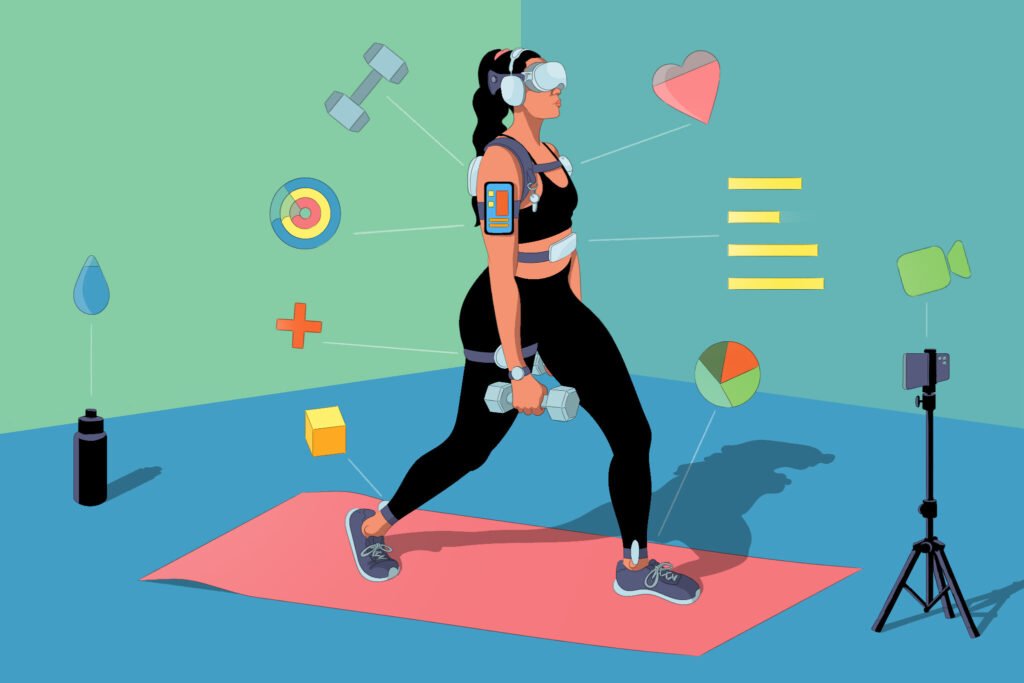
For millennia, understanding our body’s internal state was a reactive process. We felt symptoms, consulted a doctor, and received a diagnosis. Today, a silent revolution is adorning our wrists, fingers, and even our clothing, shifting this paradigm from reactive to proactive. Wearable Technology has evolved from simple pedometers counting steps into sophisticated, AI-powered health guardians that provide a continuous, data-rich window into our well-being. This fusion of gadget and consumer tech with medical-grade sensors is empowering individuals to take an unprecedented role in managing their health, while simultaneously generating vast datasets that are reshaping medical research. This is not just about fitness; it’s about the fundamental convergence of human biology and digital intelligence, creating a new era of the “quantified self” and predictive healthcare. Understanding this technology is crucial for anyone interested in the future of personal wellness, data privacy, and the next wave of consumer electronics.
Background/Context: From Pedometers to Personal Doctors on Your Wrist
The journey of wearables is a story of miniaturization, sensor advancement, and a expanding vision of their purpose.
- The Humble Beginnings (Pre-2000s): The concept dates back to the abacus ring or the 17th-century Chinese invention of a ring that could perform calculations. In the modern context, it began with simple pedometers, used for decades to count steps based on mechanical movement.
- The Fitness Boom (2000-2010): The launch of Fitbit in 2009 marked the start of the modern wearable era. These early devices were focused primarily on fitness metrics: steps, distance, and calories burned. They synced with online dashboards, introducing the masses to the concept of the “quantified self”—tracking personal data to improve performance and health.
- The Smartwatch Convergence (2010-2015): Companies like Pebble demonstrated the potential of the smartwatch as a smartphone companion. Then, tech giants entered the fray. Samsung released the Galaxy Gear, and in 2015, Apple launched the Apple Watch, positioning it as a comprehensive health and fitness device. This period saw the integration of optical heart rate sensors and the beginning of a shift from “fitness” to “health.”
- The Medical Device Era (2015-Present): This is the most transformative phase. With the Apple Watch Series 4 in 2018, which included an FDA-cleared ECG app to detect atrial fibrillation, the wearable officially crossed into regulated medical device territory. Since then, we’ve seen the addition of blood oxygen monitoring (SpO2), temperature sensors for ovulation and sleep tracking, and advanced algorithms for fall detection and irregular heart rhythm notifications. The goal is no longer just to track activity, but to potentially save lives.
Key Concepts Defined: The Language of Bio-Sensing
To navigate the world of wearables, one must understand the technology and metrics they employ.
- Wearable Technology: Electronic devices that are worn on the body, either as accessories or as part of the fabric of clothing, that collect data and provide insights to the user.
- Quantified Self: The practice of using technology to track, analyze, and optimize aspects of one’s daily life, such as health, productivity, and sleep patterns.
- Optical Heart Rate Sensor (Photoplethysmography – PPG): The green LED lights on the back of a watch or tracker. They shine light into the skin and measure the amount of light reflected back by blood flow. Changes in blood volume with each heartbeat alter the light reflection, allowing the device to calculate heart rate.
- Electrocardiogram (ECG or EKG): A medical-grade test that measures the electrical activity of the heart. Wearables with ECG capabilities (like the Apple Watch) require the user to touch the device’s crown to create a closed circuit, allowing a single-lead ECG to be recorded.
- Accelerometer & Gyroscope: Sensors that measure movement, acceleration, and orientation. They are fundamental for tracking steps, distance, exercise type, and detecting falls.
- Bio-impedance Sensor: A sensor that sends a tiny, imperceptible electrical current through the body to measure resistance. This can be used to estimate body composition metrics like body fat percentage, though accuracy can vary.
- SpO2 (Blood Oxygen Saturation): A measure of the amount of oxygen-carrying hemoglobin in the blood relative to the amount not carrying oxygen. It is a key vital sign, typically measured by a red and infrared LED sensor.
How It Works: The Symphony of Sensors and Algorithms (A Step-by-Step Deep Dive)

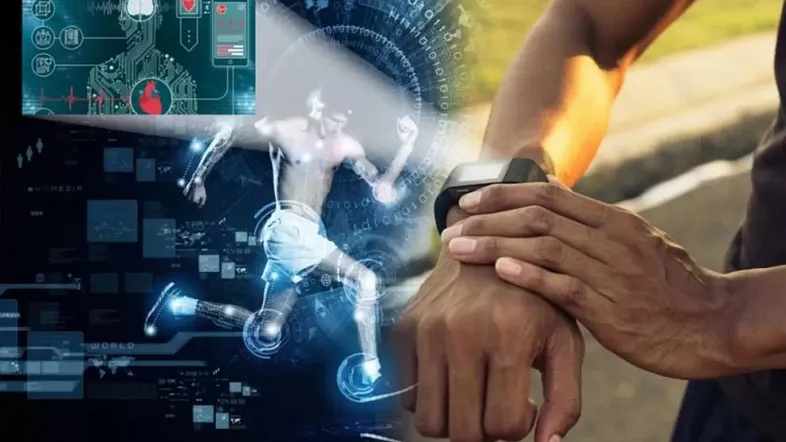
The magic of a modern wearable is the seamless integration of multiple data streams into actionable insights.
Step 1: Raw Data Acquisition – The Sensors
The process begins with the hardware. An array of sensors works continuously or on-demand:
- The accelerometer and gyroscope track your every movement, distinguishing between walking, running, swimming, and even typing.
- The optical heart rate sensor (PPG) flashes its green LEDs hundreds of times per second to monitor your pulse continuously.
- The GPS (in many models) tracks your location, speed, and elevation during outdoor activities.
- The microphone and ambient light sensor provide context about your environment.
Step 2: Signal Processing – From Noise to Clean Data
The raw data from the sensors is messy and full of “noise.” For example, the PPG signal can be corrupted by arm movement. The first job of the onboard processor is to run signal processing algorithms to filter out this noise. This might involve using the accelerometer data to subtract motion artifacts from the heart rate signal, a technique known as sensor fusion.
Step 3: Feature Extraction – Identifying Patterns
Once the signal is clean, the software identifies key features. From the heart rate data, it extracts your resting heart rate, heart rate variability (HRV), and exercise heart rate zones. From the movement data, it identifies the type of activity, counts steps, and calculates calories burned based on your personal metrics (age, weight, height, and heart rate).
Step 4: Algorithmic Analysis and Insight Generation – The “Intelligence”
This is the core of the device’s value. Sophisticated machine learning algorithms analyze the extracted features to generate high-level insights.
- Sleep Tracking: By combining movement, heart rate (which drops during sleep), and now temperature and ambient noise, the device can determine your sleep stages (light, deep, REM) and provide a sleep score.
- Irregular Rhythm Notification: The algorithm analyzes pulse rate data from the PPG sensor to look for patterns suggestive of Atrial Fibrillation (AFib). If a potential issue is detected repeatedly, it will prompt the user to take an ECG for confirmation.
- Recovery Metrics: By analyzing your HRV, sleep quality, and resting heart rate, the device can suggest your readiness for strenuous exercise, a feature popularized by brands like Whoop and Garmin.
Step 5: Data Presentation and Action – The User Interface
The processed insights are presented to the user in an intuitive format through the device’s screen and a companion smartphone app. This includes daily activity rings, sleep stage charts, heart rate trends, and personalized notifications that encourage movement or warn of potential health issues.
Why It’s Important: The Personal and Societal Impact of Continuous Monitoring

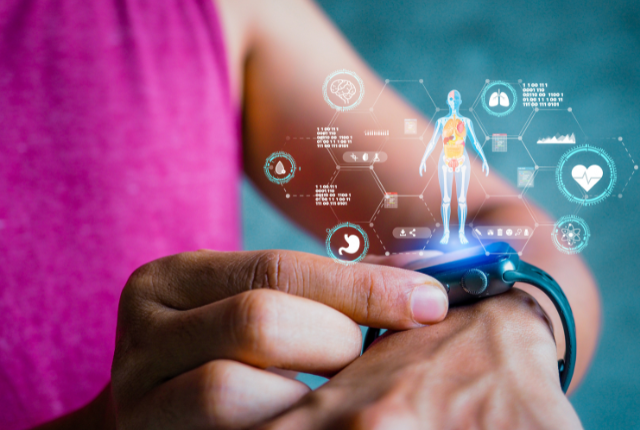
The implications of ubiquitous health sensing extend far beyond the individual user.
- Democratization of Health Data: Wearables put powerful health metrics directly into the hands of consumers, demystifying vital signs and empowering people to have more informed conversations with their doctors. This can lead to earlier detection of conditions like AFib, hypertension, and sleep disorders.
- The Shift from Reactive to Proactive Health: Continuous monitoring can identify subtle deviations from personal baselines that might signal an oncoming illness or health issue long before overt symptoms appear. This enables early intervention and a more preventive approach to healthcare, which aligns with the core goal of maintaining long-term mental health and physical wellness.
- Personalized Fitness and Performance: Athletes and fitness enthusiasts can use the data to optimize training loads, prevent overtraining, and maximize performance. The data provides objective feedback that goes beyond subjective feeling.
- Driving Medical Research: The aggregated, anonymized data from millions of wearable users is a treasure trove for medical researchers. Large-scale studies, like the Apple Heart Study, have already demonstrated the feasibility of using consumer devices for population-level health research, potentially leading to new discoveries about heart disease, infectious diseases (like using resting heart rate to predict illness), and more.
- Safety and Independent Living: Features like fall detection with automatic emergency SOS calling, and the ability to monitor the safety of elderly relatives remotely, provide peace of mind and can enable older adults to live independently for longer.
Common Misconceptions and Observations
As with any powerful technology, there are misunderstandings about its capabilities and limitations.
- Misconception: “The health data from my wearable is 100% medically accurate.”
Reality: While certain features (like ECG) are FDA-cleared, most metrics are for “wellness” and “informational” purposes only. Optical heart rate can be less accurate during high-intensity interval training, and sleep staging is an estimate. These devices are powerful screening tools, not diagnostic instruments. Always consult a doctor for medical concerns. - Observation: “Tracking my health data all the time makes me anxious.”
Reality: This is a valid concern known as “orthosomnia” or “data anxiety.” The constant feedback can lead to obsessive behavior and sleep disruption. It’s crucial to use the data as a guide, not a gospel, and to take breaks from tracking if it causes stress. - Misconception: “More data always leads to better health outcomes.”
Reality: Data is useless without context and action. The value is not in the data itself, but in the behavioral changes it inspires. Without a plan to act on the insights (e.g., going to bed earlier, managing stress), the data is merely informational. - Observation: “These devices are a privacy nightmare.”
Reality: This is a significant and valid concern. The data collected is incredibly personal. While companies like Apple have a strong stance on privacy (with data encryption and on-device processing), other business models may rely on monetizing aggregated user data. Users must carefully review privacy policies. - Misconception: “All wearables are the same.”
Reality: The market is highly segmented. Fitbit focuses on user-friendly health and wellness. Garmin and Polar are for serious athletes. Apple Watch is a lifestyle and health powerhouse. Oura Ring specializes in detailed sleep and recovery. The “best” device depends entirely on the user’s primary goal.
Recent Developments and Success Stories
The pace of innovation in the wearable space is relentless, with new sensors and AI capabilities emerging constantly.
The Apple Watch’s Life-Saving Anecdotes: There are countless documented cases where the Apple Watch’s fall detection and irregular rhythm notifications have saved lives. From elderly users falling in their homes to young, seemingly healthy individuals discovering undiagnosed heart conditions, these real-world stories have been the most powerful marketing for the category, proving its value beyond fitness.
The Rise of Specialized Form Factors – The Oura Ring: The Oura Ring demonstrated that a wearable didn’t have to be a wristwatch. Its ring form factor is ideal for continuous, unobtrusive sleep and temperature tracking, as the finger provides a strong pulse signal and is less prone to movement during sleep. Its success proved there is a market for dedicated, premium health monitors that prioritize specific, high-accuracy metrics.
Continuous Glucose Monitoring (CGM) Integration: While not yet in a mainstream consumer wearable, the integration of Abbott’s Libre CGM sensors with wearable platforms via third-party apps is a glimpse into the future. Diabetics and biohackers can now see their glucose levels in real-time on their smartwatch, allowing them to understand how diet, sleep, and exercise affect their blood sugar. This is a major step towards truly personalized nutrition.
Case Study: The Apple Heart Study – A Blueprint for Large-Scale Digital Health Research
Conducted in partnership with Stanford Medicine, the Apple Heart Study is a landmark case in how to leverage consumer technology for medical research.
- The Objective: To determine whether the Apple Watch’s optical heart rate sensor could be used to identify irregular pulses suggestive of AFib, a leading cause of stroke.
- The Methodology: Over 400,000 participants were enrolled in an entirely virtual study through an iPhone app. If the watch’s algorithm detected an irregular pulse, the participant received a notification and was offered a telemedicine consultation and a patch ECG to wear for confirmation.
- The Results (Published in The New England Journal of Medicine): The study found that only 0.5% of participants received an irregular pulse notification, which helped avoid unnecessary alarm. Among those who received a notification and used the ECG patch, 34% were found to have AFib.
- Lesson Learned: The study proved that a large-scale, virtual, participant-centric clinical trial was feasible. It validated the use of a consumer device as a screening tool for a serious medical condition and provided a robust framework for future digital health research. This approach to data-driven validation is as transformative for healthcare as data-driven decision-making is for fields like global supply chain management.
Real-Life Examples and Sustainable Approaches for the Future
Wearables are already deeply integrated into the daily lives of millions.
- Real-Life Use Cases:
- The Corporate Wellness Program: A company provides employees with Fitbits and creates friendly step challenges to reduce healthcare costs and improve overall employee well-being.
- The Post-Operative Patient: A cardiac patient uses their smartwatch to monitor their heart rate and rhythm at home, sharing the data remotely with their cardiologist for follow-up care.
- The Shift Worker: A nurse working irregular hours uses an Oura Ring to optimize their sleep schedule and monitor their readiness for work, helping to combat fatigue and burnout.
- Sustainable Approaches for the Future:
- Design for Longevity and Repairability: The constant churn of new models creates e-waste. Manufacturers must design devices with longer software support cycles, user-replaceable batteries, and modular components that can be repaired rather than replaced.
- Ethical Data Governance: As wearables collect more sensitive health data, robust ethical frameworks are needed. This includes clear, informed consent, transparent data usage policies, and giving users true ownership and control over their data. This is a core ethical consideration we support, as reflected in our about World Class Blogs page.
- Bridging the “Digital Divide”: To avoid creating a health inequality gap, efforts must be made to make this technology accessible and understandable to underserved and elderly populations.
- Clinical Integration: The future lies in seamlessly integrating patient-generated health data from wearables into Electronic Health Records (EHRs), giving clinicians a more complete, continuous picture of a patient’s health outside the clinic.
- Focus on Actionable Insights, Not Just Data: The next generation of wearables must move beyond data presentation to providing personalized, evidence-based coaching. Using AI, they could suggest specific lifestyle modifications, mindfulness exercises, or when to seek medical care, turning data into direct, positive action for the user’s personal finance of health.
Conclusion & Key Takeaways: The Invisible Guardian
Wearable technology has completed its journey from a niche fitness accessory to a central pillar of the modern health and wellness landscape. It represents the most personal expression of the Internet of Things (IoT), creating a continuous feedback loop between our bodies and our digital lives.
Key Takeaways:
- A Powerful Screening Tool, Not a Doctor: Wearables provide invaluable insights and early warnings but are not a replacement for professional medical diagnosis and care.
- The Value is in Behavioral Change: The ultimate success of a wearable is measured by the positive health behaviors it inspires, not the volume of data it collects.
- Privacy is Paramount: The sensitivity of health data demands that users be vigilant about privacy settings and companies be transparent and ethical in their data practices.
- The Future is Predictive and Integrated: The next frontier involves AI that can predict health events, devices with new non-invasive sensors (e.g., for blood pressure or glucose), and seamless integration with the formal healthcare system.
- Personalization is Key: The best wearable for an individual depends on their specific goals, whether it’s general wellness, athletic performance, or managing a chronic condition.
As sensor technology and AI continue to advance, the wearable of the future will become less of a device we wear and more of an invisible, proactive guardian of our health. To stay at the forefront of these developments in gadget and consumer tech, be sure to explore our full archive in the Technology & Innovation category and our diverse blogs.
Frequently Asked Questions (FAQs)
- How accurate is the calorie burn estimate on my fitness tracker?
It’s an estimate, not a precise measurement. Accuracy can vary by ±10-20%. It’s best used for tracking trends over time rather than taking the number as an absolute truth. - Can a smartwatch measure blood pressure?
Currently, no mainstream consumer smartwatch can measure blood pressure directly and accurately without calibration to a traditional cuff. However, several companies are developing this technology, and it is expected to be a key feature in future devices. - Is the blue light from my smartwatch screen bad for my sleep?
Yes, blue light can suppress melatonin production. Most modern smartwatches have a “theater” or “sleep” mode that turns off the screen and notifications, and many also feature a red-shifted Night Mode to minimize blue light emission in the evening. - How often do I need to charge my wearable?
It varies widely. Basic fitness trackers can last 5-7 days. Advanced smartwatches like the Apple Watch typically need a charge every day. Devices like the Garmin Fenix can last weeks, and the Oura Ring can go 4-7 days between charges. - Can I wear my device in the shower or for swimming?
Most modern devices are water-resistant to a certain depth (e.g., 50 meters). This means they are safe for showering and swimming. However, salt water and soaps can damage seals over time, so it’s good practice to rinse with fresh water afterward. - What is Heart Rate Variability (HRV) and why is it important?
HRV is the variation in time between each heartbeat. A higher HRV generally indicates a healthier, more resilient nervous system and better recovery from stress. It’s a key metric for tracking overall fitness and stress levels. - Will my health insurance premiums go down if I use a wearable?
Some insurance companies offer discounts or rewards for members who use wearables and meet certain activity goals through wellness programs. It’s not a direct reduction in premiums but a form of incentivization. - Can my wearable diagnose a sleep disorder like sleep apnea?
While some wearables (like the Fitbit Sense 2) have an FDA-cleared feature to detect signs of sleep apnea, they are screening tools, not diagnostic devices. A formal diagnosis requires a medical sleep study. - How does the temperature sensor on new wearables work?
It’s a skin temperature sensor, not a core body temperature sensor. It tracks your baseline temperature each night and detects deviations from that baseline, which can be useful for tracking ovulation in women or detecting the onset of illness. - What happens to my data if the wearable company goes out of business?
This is a risk. The company’s privacy policy should outline data retention and deletion policies. In many cases, if the service shuts down, your historical data may become inaccessible. - Are there wearables for children?
Yes, devices like the GizmoWatch from Verizon are designed for kids, focusing on location tracking and simple communication with parents, rather than advanced health metrics. - Can I get a skin rash from wearing my device?
Yes, it’s possible, often caused by trapped moisture, soap, or friction. It’s known as “contact dermatitis.” To prevent it, keep the device and your skin clean and dry, and try wearing it on the other wrist for a few hours each day. - How do I know which metrics are most important to pay attention to?
It depends on your goal. For general health: resting heart rate, sleep duration, and daily activity. For athletic training: HRV, exercise heart rate zones, and recovery time. For stress management: HRV and sleep quality. - Is the radiation from a Bluetooth wearable harmful?
The scientific consensus is that the non-ionizing, low-power Bluetooth radiation emitted by wearables is not harmful to human health. The power levels are thousands of times lower than those of a cell phone. - What is the future of wearable technology?
The future points towards more advanced bio-sensors (for hormones, cortisol), non-invasive blood glucose monitoring, more seamless form factors (smart fabrics, epidermal electronics), and deeper, more predictive AI that acts as a true personal health advisor.


