
Hybrid Threats: The Blurred Lines Between War and Peace in Modern Conflict
What are hybrid threats? Explore our guide to gray zone warfare, covering disinformation, proxy forces, cyber attacks, and how nations fight below the threshold of war. Essential for understanding 21st-century security. hybrid threats, hybrid warfare, gray zone, information warfare, disinformation, proxy forces, Gerasimov doctrine, asymmetric warfare, cognitive security, lawfare, frozen conflict, societal resilience, NATO hybrid, Russian hybrid warfare, Chinese gray zone, cyber-enabled conflict, strategic ambiguity, whole-of-society defense, definition of hybrid warfare, types of hybrid threats, Russian hybrid warfare tactics, Chinese hybrid warfare, information operations, psychological operations PSYOP, cyber and hybrid warfare, countering hybrid threats, national security hybrid, military hybrid strategy, gray zone competition, ambiguity in conflict, resilience building, whole of government approach, counter-disinformation, strategic communications, NATO hybrid strategy, EU vs disinformation, Ukraine hybrid war, little green men Crimea, what is hybrid warfare in simple terms, examples of hybrid threats 2024, how to counter disinformation campaigns, difference between hybrid and conventional war, role of proxy forces in modern conflict, NATO response to hybrid threats, China South China Sea gray zone tactics, building national resilience against hybrid attacks, economic coercion as a hybrid tool, legal response to hybrid warfare.
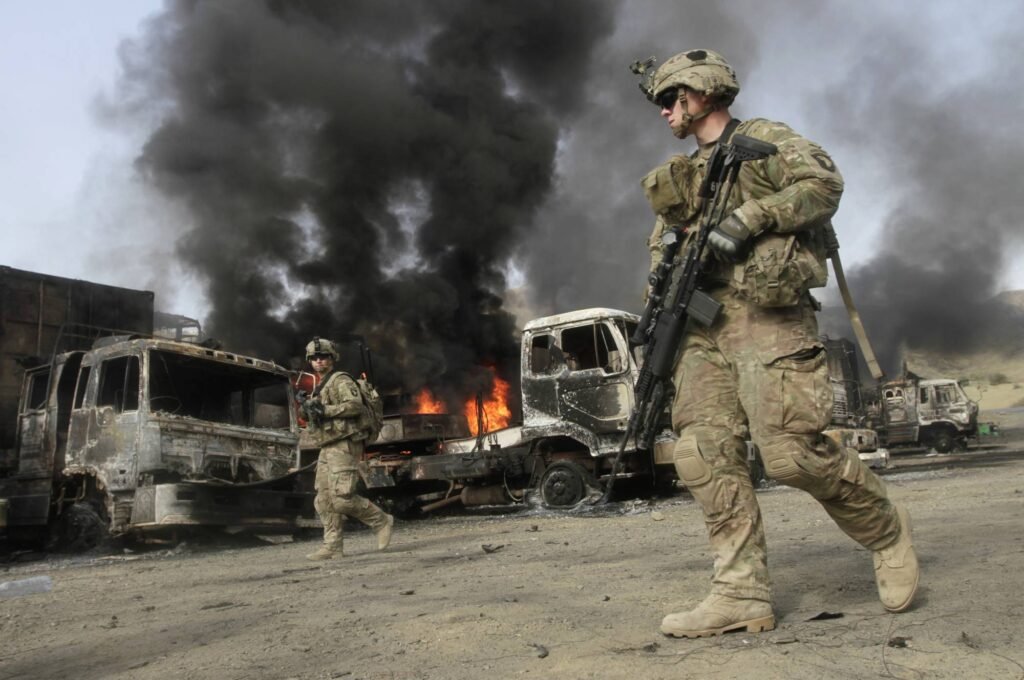
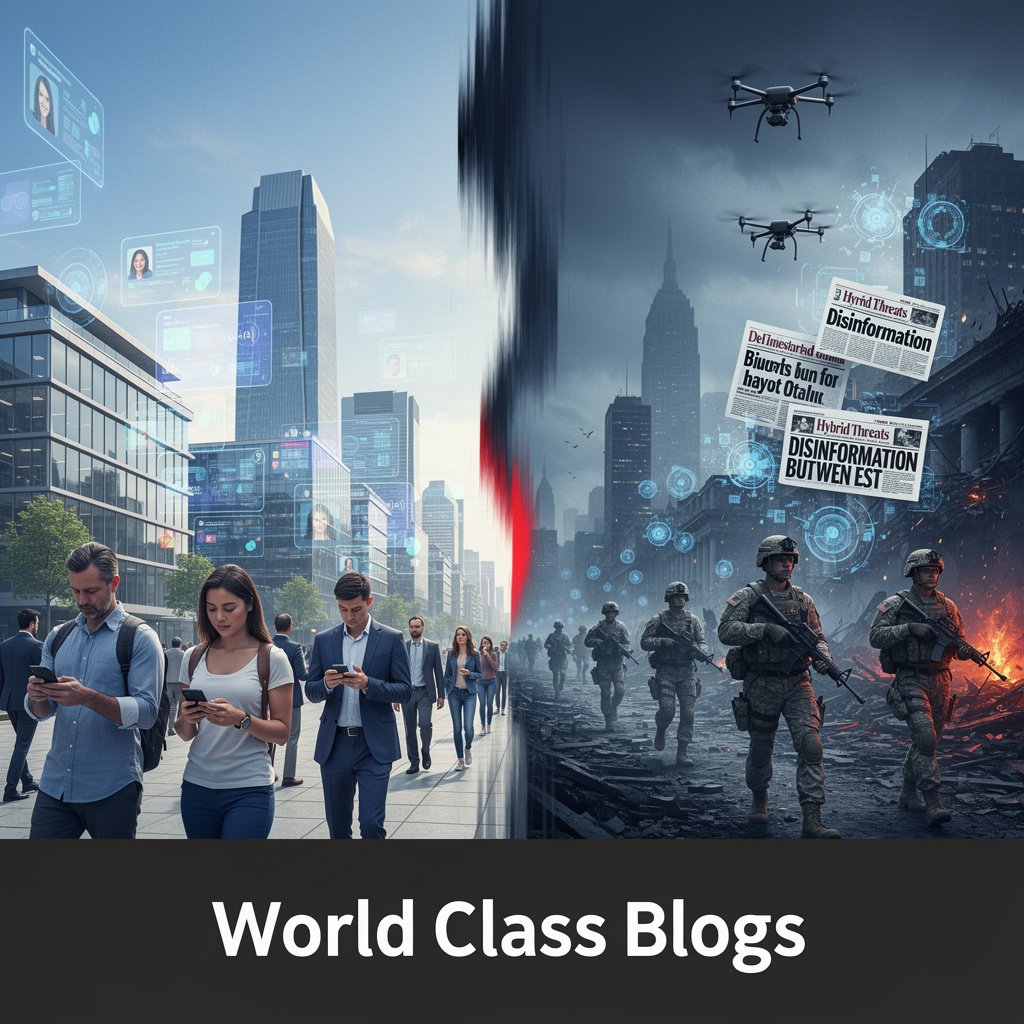
Hybrid campaigns are long-term strategic plays, not spontaneous events. Understanding the phased approach is key to early detection and effective response.
Hybrid Threats: The Complete Guide to 21st Century Warfare’s Gray Zone
Introduction – Why This Matters
In February 2014, unmarked soldiers in green uniforms, speaking perfect Russian and carrying modern military equipment, appeared across Crimea. When questioned, they were labeled “local self-defense forces” and “little green men.” This was not a conventional invasion with declarations of war and massed armies. It was something new, confusing, and devastatingly effective: a hybrid threat. Today, nations and organizations are increasingly fighting in the “gray zone”—that ambiguous space between peace and war—using a tailored blend of military, economic, informational, and cyber tools to achieve strategic objectives while avoiding a traditional, attributable military response.
In my experience working with NATO allies on resilience planning, the most insidious aspect of hybrid threats isn’t their violence, but their ambiguity. What I’ve found is that they are designed to sow confusion, paralyze decision-making, and exploit the very openness and legal frameworks of democratic societies. For the curious beginner, understanding hybrid warfare is key to decoding why modern conflicts feel so chaotic and ill-defined. For the security professional, it’s a critical framework for moving beyond binary “war/peace” thinking. This guide will dissect hybrid threats, explore their components, and explain how nations can defend against this diffuse, pervasive challenge to international security.
Background / Context
While the term “hybrid warfare” gained prominence after Russia’s 2014 actions in Ukraine, the concept has deep historical roots. Partisan warfare, covert operations, and political subversion are age-old tactics. What defines the modern era is the scale, integration, and digital amplification of these tools, employed under the nuclear shadow that makes direct great power war prohibitively costly.
The intellectual godfather is often considered to be Russian Chief of the General Staff Valery Gerasimov, whose 2013 article (the “Gerasimov Doctrine”) outlined a vision where “the role of non-military means… has grown, and, in many cases, they have exceeded the power of force of weapons in their effectiveness.” The West saw this theory put into practice in Ukraine: a combination of cyber-attacks, economic pressure, disinformation campaigns, use of proxy forces, and conventional military intimidation that left Ukraine dismembered before a traditional war even appeared to begin.
However, hybrid threats are not exclusive to Russia. China employs “gray zone” tactics in the South China Sea through the use of its maritime militia—fishing boats that act as paramilitary forces to assert territorial claims—coupled with economic coercion and information operations. Iran uses proxy groups like Hezbollah and cyber capabilities to extend its influence. Even non-state actors like ISIS mastered a hybrid approach, combining brutal conventional tactics with sophisticated social media propaganda and terror attacks abroad.
The context is a strategic environment where ambiguity is a weapon. By operating below the threshold that would trigger a collective defense response (like NATO’s Article 5), aggressors seek to achieve “fait accompli” victories—presenting the world with a new reality before it can muster a coherent response.
Key Concepts Defined
- Hybrid Threats / Hybrid Warfare: The synchronized use of multiple instruments of power (military, paramilitary, informational, economic, cyber) by state and non-state actors, tailored to specific vulnerabilities, to achieve strategic objectives while remaining below the threshold of formal warfare.
- The Gray Zone: The contested arena between peace and war, where state and non-state actors engage in competition. Actions are coercive and aggressive but designed to remain ambiguous or deniable to avoid escalation to open conflict.
- Information Warfare / Psychological Operations (PSYOP): The systematic use of information (true, false, or distorted) to influence, disrupt, corrupt, or usurp the decision-making of adversaries and target audiences. This is the central nervous system of a hybrid campaign.
- Proxy Forces: Irregular forces, militias, or mercenaries (like the Wagner Group) that act on behalf of a state sponsor but provide plausible deniability. They are a key tool for applying kinetic force while maintaining ambiguity.
- Lawfare: The strategy of using—or misusing—law as a weapon of war. This includes exploiting international legal loopholes, filing frivolous cases in international courts to tie up adversaries, or falsely accusing opponents of war crimes to discredit them.
- Economic Coercion: Using trade restrictions, energy cut-offs, strategic corruption, or control of critical resources to pressure a target state without firing a shot.
- Cyber-Enabled Hybrid Operations: The use of cyber tools to support broader hybrid goals: hacking and leaking emails to influence elections (as in 2016), disrupting media during a crisis, or attacking financial systems to create panic.
- Reflexive Control: A Russian military theory of feeding an adversary specific information to provoke them into making decisions favorable to you. It’s about shaping the opponent’s perception so they choose the action you desire.
How It Works (Step-by-Step Breakdown): The Anatomy of a Hybrid Campaign
A hybrid campaign is not random; it’s a coordinated, phased strategy aimed at destabilization and control. Let’s break down a hypothetical campaign against a fictional NATO border country, “Baltania.”
Phase 1: Preparation and Shaping the Environment (Years in Advance)
- Economic Penetration: State-owned companies from the aggressor nation make strategic investments in Baltania’s energy, media, and transportation sectors, creating dependencies and leverage points.
- Information Planting: Social media accounts and fringe news sites, secretly funded by the aggressor, begin amplifying narratives about Baltania’s government being corrupt, discriminatory against a Russian-speaking minority, and a puppet of the West.
- Agent Networks: Intelligence officers cultivate relationships with sympathetic politicians, business leaders, and activists, building a network of influence.
- Cyber Reconnaissance: Extensive hacking of government, energy, and media networks maps vulnerabilities for future use.
Phase 2: Destabilization and Crisis Creation (Months/Weeks Before)
- Escalation of Information War: The propaganda machine shifts to high gear. Fake videos of “atrocities” against the minority population are circulated. Deepfake audio of a Baltanian official insulting a neighbor is released.
- Provocations and “False Flags”: Mysterious explosions occur at minority cultural centers. Cyber-attacks temporarily disable government websites. These are blamed on Baltanian “nationalists” or “Western provocateurs.”
- Mobilization of Proxies: “Volunteers” and “vacationing” military personnel begin flowing across the border to support “spontaneous” protests by the minority population. Leaders of these groups call for “protection” and “autonomy.”
- Political Subversion: Funded politicians in Baltania’s parliament block defense spending increases and rail against NATO, calling for “dialogue” and “neutrality.”
Phase 3: The “Snapshot” – Achieving the Fait Accompli (Days/Hours)
- Integrated Attack: As protests turn violent, coordinated cyber-attacks knock out Baltania’s power grid and national broadcasters. The proxies, now armed with military-grade weapons, seize key government buildings in border regions.
- Strategic Ambiguity: The aggressor state denies any involvement, calling it an “internal conflict.” It masses troops on the border under the guise of “exercises,” paralyzing Baltania’s military with the threat of conventional invasion.
- Narrative Control: The aggressor’s global media outlets broadcast the narrative of a “humanitarian crisis” and “popular uprising,” demanding international recognition of the new “facts on the ground.”
Phase 4: Consolidation and “Frozen Conflict”
- Political Manipulation: Under duress, Baltania is forced to the negotiating table. The aggressor pushes for a federalized system that gives its proxies veto power, effectively neutralizing Baltania’s sovereignty.
- Sanctions Resistance: Having prepared its economy, the aggressor absorbs Western sanctions. It uses its controlled territories as bargaining chips for future negotiations.
- The New Normal: A “frozen conflict” is established. The aggressor maintains indefinite leverage over Baltania, drains its resources, and uses the territory as a forward base for intelligence and further operations—all without a formal declaration of war.
This phased approach exploits every seam in a democratic society: its free media (flooded with disinformation), its rule of law (exploited through lawfare), its economic openness (used for coercion), and its need for political consensus (disrupted through subversion).
Why It’s Important: The Erosion of the International Order
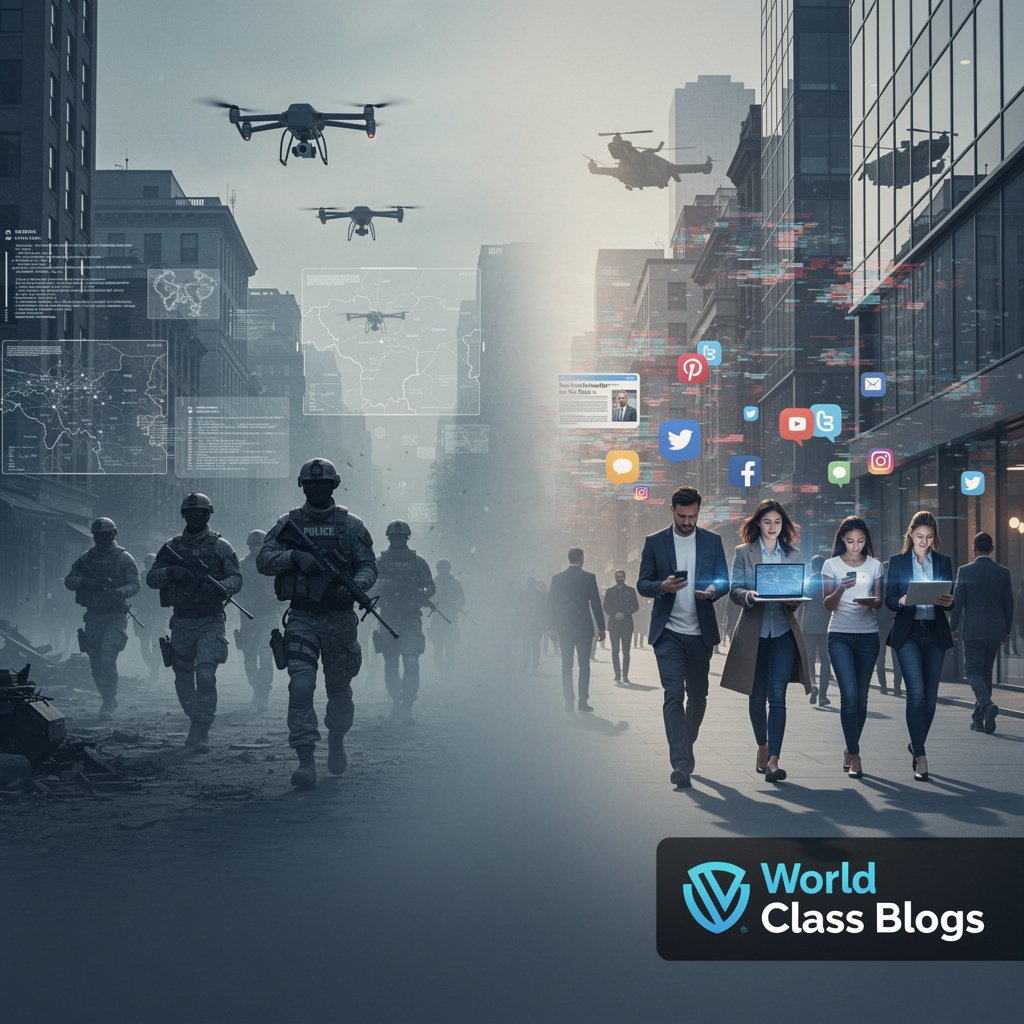
Hybrid threats matter because they directly attack the foundations of the post-WWII international system, which is built on clear rules about sovereignty and the use of force.
- Undermining Collective Defense: Alliances like NATO are built on clear thresholds (Article 5: an armed attack). Hybrid tactics are designed to stay below this line, creating paralysis and division within the alliance over how to respond. Is a massive cyber-attack on a hospital an “armed attack”? Is election interference an act of war?
- Weaponizing Open Societies: Democracies are vulnerable by design—they cherish free speech, open debate, and transparent institutions. Hybrid campaigns turn these virtues into vulnerabilities, poisoning public discourse and eroding trust in institutions like the media, judiciary, and electoral systems. This internal rot can be more damaging than external bombs.
- The High Cost of Ambiguity: The lack of a clear, kinetic “attack” makes it difficult to mobilize domestic political will or international consensus for a strong response. By the time the threat is fully understood, the aggressor has often already achieved its key objectives. This creates a perverse incentive for aggression.
- Blurring the Civil-Military Line: By using proxies, cyber actors, and information warriors, hybrid threats intentionally obscure who is a combatant and what constitutes a battlefield. This makes applying International Humanitarian Law (IHL) extraordinarily difficult and puts civilians squarely in the crosshairs of influence operations.
- Economic and Social Resilience as National Security: Hybrid threats force a redefinition of national security. It’s no longer just about defending borders with tanks, but about securing supply chains, hardening digital infrastructure, fostering social cohesion, and ensuring media literacy. A nation’s resilience is its first line of defense, a concept explored in managing complex systems like global supply chains.
Sustainability in the Future: Building Societal Immunity
An environment permissive of hybrid threats is unsustainable for global stability. Defense requires a whole-of-society approach focused on resilience and proactive deterrence.
- Resilience as the Core Strategy: Nations must build societal immune systems. This includes:
- Media Literacy: Integrating critical thinking about information sources into national education curricula.
- Infrastructure Hardening: Securing energy grids, financial networks, and transportation systems from physical and cyber sabotage.
- Social Cohesion: Actively countering foreign-funded polarization and fostering inclusive national identities that are resistant to divisive narratives.
- Integrated National Responses: Governments must break down silos between military, intelligence, law enforcement, diplomacy, and the private sector. A hybrid threat cell that combines experts from all these fields is essential for recognizing and responding to cross-domain campaigns.
- Deterrence by Denial and Cost-Imposition: Deterrence in the gray zone requires:
- Denial: Making the target hard to exploit (e.g., diversifying energy supplies, securing elections).
- Cost-Imposition: Developing a toolkit of proportional responses—not just military, but diplomatic expulsions, targeted economic sanctions, cyber counter-operations, and public attribution of malign activities to strip away the aggressor’s prized ambiguity.
- Norms and Attribution: The international community must work to establish and enforce norms of behavior in cyberspace and information operations. Rapid, credible, and multinational attribution of hybrid attacks—naming and shaming the perpetrators with evidence—is a powerful, non-kinetic tool to impose political and diplomatic costs.
Common Misconceptions
- Misconception 1: “Hybrid warfare is just a fancy term for what spies have always done.”
- Reality: While it incorporates espionage, it is distinguished by the scale, coordination, and integration of non-military tools with military ones to achieve strategic wartime objectives during periods of so-called “peace.” It’s an operational doctrine, not just clandestine activity.
- Misconception 2: “It’s all about cyber and fake news.”
- Reality: Cyber and info-ops are crucial enablers, but hybrid warfare is a combined arms approach. It equally relies on economic pressure, diplomatic manipulation, the use of proxy forces, and the implicit threat of conventional force. Ignoring any one element gives an incomplete picture.
- Misconception 3: “Only authoritarian states use hybrid tactics.”
- Reality: While Russia and China are the most systematic practitioners, democracies also employ elements of hybrid strategy (e.g., sanctions, public diplomacy, cyber operations). The key difference often lies in intent, transparency, and adherence to international norms. However, the line can blur, demanding constant ethical vigilance.
- Misconception 4: “If we can’t see tanks, it’s not a real war.”
- Reality: This binary thinking is exactly what hybrid strategists exploit. The effects can be as devastating as conventional war: loss of territorial control, collapse of political institutions, economic ruin, and profound social fragmentation. The “war” is already happening; it just looks different.
Recent Developments (2024-2025)
- The Weaponization of Migration: Belarus’s 2021 orchestration of migrant flows to pressure Poland and Lithuania provided a stark template. In 2024, reports indicate state actors are exploring the use of AI-generated misinformation on social media platforms in the global south to deliberately trigger refugee movements toward rival nations, weaponizing human suffering as a hybrid tool.
- AI-Generated Disinformation at Scale: The advent of publicly accessible large language models (LLMs) and image/video generators has democratized deepfake production. In 2024, there were multiple incidents of AI-generated audio of political leaders making inflammatory statements being used to incite local violence in fragile regions, challenging the ability of fact-checkers to keep pace. For more on the driving technology behind this, see our analysis in Artificial Intelligence and Machine Learning.
- Hybrid Tactics in the Red Sea: The Houthi attacks on commercial shipping, enabled by Iranian intelligence, weapons, and targeting data, represent a classic hybrid proxy operation. It projects power, disrupts global trade, and imposes economic costs on adversaries, all while providing Iran with plausible deniability.
- Strategic Corruption as a Tool: Beyond simple bribery, states are using sophisticated “strategic corruption”—investing in foreign political campaigns, buying influence in think tanks, and creating webs of economic dependency—to co-opt foreign elites and shape policy from within. This long-term “capture” of decision-making is a potent hybrid vector.
- NATO’s New Playbook: NATO’s 2024 updated “Concept for Deterrence and Defence of the Euro-Atlantic Area” places unprecedented emphasis on countering hybrid threats. It calls for enhanced intelligence sharing, the creation of rapid response “hybrid support teams” for member states under attack, and regular “hybrid exercises” to test civil-military coordination.
Success Stories (If Applicable)
- Finland’s Comprehensive Security Model: A gold standard in societal resilience. Since the Cold War, Finland has operated a “whole-of-society” security model where every ministry has a security role. The government maintains strategic stockpiles, ensures all critical infrastructure has backup systems, runs national crisis simulations with the public, and fosters a strong, unifying national identity. This model, born of historical experience with Russia, has made Finland a notoriously hard target for hybrid tactics, contributing to its smooth NATO accession.
- The EU’s East StratCom Task Force: Established in 2015 to counter Russian disinformation, this EU body has evolved into a key hub for identifying, exposing, and debunking foreign information manipulation. While not stopping disinformation entirely, its weekly “Disinformation Reviews” and public databases of disinformation cases have significantly raised the cost for aggressors by stripping away anonymity and arming media and civil society with facts.
Real-Life Examples
- Case Study: The 2016 U.S. Presidential Election Interference
- What Happened: A comprehensive Russian hybrid campaign involving the hacking and strategic leaking of Democratic Party emails (cyber), a massive social media influence operation to sow discord and suppress turnout (information), and probing of state-level electoral infrastructure (cyber/psychological). The military instrument was not used, but the strategic goal—to undermine faith in U.S. democratic institutions and polarize society—was a classic hybrid warfare objective.
- The Lesson: It demonstrated that the “homeland” of a superpower is not a sanctuary. Hybrid threats can reach into the heart of a political system, exploiting its openness to cause profound, lasting damage to social cohesion and institutional trust for a relatively low cost.
- Case Study: China’s South China Sea Strategy
- What Happened: China has employed a masterful gray zone strategy to assert control over disputed waters. Tactics include: using its coast guard and maritime militia to harass other nations’ fishing and military vessels (paramilitary); building and militarizing artificial islands to create facts on the ground (salami-slicing); using economic incentives and penalties to sway ASEAN nations (economic); and employing a global media campaign to promote its historical claims (information).
- The Lesson: This “cabbage strategy” (layering actions to envelop a disputed area) shows how hybrid tactics can achieve territorial expansion without a single naval battle. It presents a slow-rolling challenge that defies easy military response and tests the resolve and unity of opposing coalitions.
Conclusion and Key Takeaways
Hybrid threats represent the normalization of ambiguity as a weapon. They are the preferred form of conflict in an era where great powers wish to compete without triggering catastrophic conventional or nuclear war. Victory in this domain is not measured in territory taken in blitzkrieg, but in minds influenced, institutions corrupted, and societies divided over years of persistent campaigning.
Key Takeaways:
- Ambiguity is the Weapon. The primary goal of hybrid tactics is to create confusion and paralysis in the target, delaying or preventing an effective response.
- The Battlefield is Everywhere. The fight occurs in news feeds, financial markets, energy pipelines, software networks, and the human mind—not just on traditional battlefields.
- Resilience is Defense. The most effective counter is a resilient society with strong institutions, educated citizens, secure infrastructure, and social cohesion. Defense must be proactive, not reactive.
- Integration is the Response. Defeating hybrid campaigns requires breaking down government silos. Military, intelligence, diplomatic, economic, and law enforcement tools must be synchronized in response, just as the adversary synchronizes them in attack.
- Democracies Must Adapt. To survive, open societies must learn to defend their values without sacrificing them. This means fostering critical thinking, ensuring transparency to build trust, and developing legal and response frameworks agile enough to handle ambiguous, cross-domain threats.
Understanding and preparing for hybrid threats is no longer a niche security concern; it is a fundamental requirement for the preservation of democratic sovereignty in the 21st century.
FAQs (25 Detailed Q&A)
Q1: What’s the difference between hybrid warfare and asymmetric warfare?
A: Asymmetric warfare is when a weaker actor uses unconventional tactics (e.g., guerrilla warfare, terrorism) to offset the strengths of a stronger conventional foe. Hybrid warfare is a broader, state-led doctrine that can be used by strong or weak actors. It symmetrically and asymmetrically blends all tools of power, both conventional and unconventional, in a coordinated campaign.
Q2: Can a terrorist group wage hybrid warfare?
A: While typically associated with states, non-state actors can employ a hybrid approach. ISIS is a prime example: it combined conventional military tactics (seizing territory), terror attacks abroad, sophisticated social media propaganda, and even rudimentary state-like governance. However, they generally lack the full spectrum of tools (like diplomatic or deep economic coercion) available to states.
Q3: What is “salami-slicing” in the gray zone?
A: A strategy of achieving a large strategic objective through a series of small, incremental actions, each of which is seemingly too minor to justify a major military response. Over time, these slices add up to a fundamental change in the status quo (e.g., China’s island-building in the South China Sea).
Q4: How does lawfare work?
A: Examples include: using domestic laws to arrest foreign activists on spurious charges; flooding international courts with cases to bog down an adversary in legal costs and procedures; or falsely accusing an enemy of war crimes to damage their international legitimacy and provide pretext for your own actions.
Q5: What is the role of Special Forces in hybrid warfare?
A: They are often the “tip of the spear” in the gray zone. They can train and advise proxy forces, conduct clandestine reconnaissance, carry out cyber operations in denied areas, and execute precision strikes—all while maintaining a low signature and plausible deniability for their government.
Q6: How can ordinary citizens defend against disinformation?
A: Practice “information hygiene”: check the source, read beyond the headline, check the date, see if other reputable outlets are reporting it, and be wary of content that triggers strong emotional responses. Support quality journalism.
Q7: Is NATO adapting to hybrid threats?
A: Yes, significantly. Beyond new strategies, it has established counter-hybrid support teams, holds annual “Crossed Swords” exercises focused on information warfare, and has set up strategic communications centers. Its 2022 Strategic Concept explicitly identifies hybrid as a fundamental threat.
Q8: What is “cognitive security”?
A: An emerging field focused on protecting individuals and groups from manipulation of their perceptions, memories, and beliefs. It intersects psychology, neuroscience, and security studies to defend against next-generation information warfare.
Q9: How are private companies involved in hybrid threats?
A: They are both targets and unwitting tools. Targets include energy firms, tech companies, and financial institutions. They can become tools when their platforms (social media) are used to spread disinformation, their products (software) contain vulnerabilities exploited for cyber-attacks, or when they are coerced through economic pressure into making decisions favorable to an aggressor state.
Q10: Can economic interdependence prevent hybrid warfare?
A: It can create disincentives, but it can also create vulnerabilities. An aggressor may calculate that its target is so dependent on trade or energy that it will not risk a firm response. Interdependence must be managed strategically, with diversification of partners and secure supply chains. This is a core principle in modern global supply chain management.
Q11: What is a “frozen conflict” and why is it a hybrid outcome?
A: A simmering, unresolved conflict where active fighting has stopped but no peace treaty is signed (e.g., Eastern Ukraine, Transnistria). It is a favorable hybrid outcome for the aggressor because it gives them permanent leverage, drains the victim’s resources, and blocks their path to alliances like NATO or the EU.
Q12: How do you attribute a hybrid attack?
A: Through intelligence fusion: technical forensics (tracing cyber-attacks), human intelligence, signals intelligence (intercepted communications), and open-source intelligence (tracking social media bots to their origin). Public attribution is a political decision backed by declassified evidence.
Q13: What is the “reflexive control” theory?
A: A Russian military concept where you provide your adversary with specific information designed to trigger a predictable reaction that plays into your hands. For example, leaking false intelligence about a planned attack to provoke the enemy to mobilize prematurely, exposing their plans and exhausting their troops.
Q14: Are sanctions an effective response to hybrid attacks?
A: They are a key tool in the cost-imposition toolkit, but their effectiveness varies. Targeted, multilateral sanctions against the specific individuals and entities involved can hurt. Broad, unilateral sanctions often hurt ordinary people and can be used by the aggressor’s propaganda to foster a “siege mentality” and consolidate domestic power.
Q15: What is the connection between organized crime and hybrid warfare?
A: Deep and synergistic. States may use criminal networks as proxies for trafficking, smuggling, or money laundering to finance operations. Criminal groups may be given protection in exchange for services. This nexus creates a shadowy, deniable infrastructure for malign activities.
Q16: How does China’s “Belt and Road Initiative” (BRI) relate to a hybrid strategy?
A: While primarily an economic project, the BRI can create strategic dependencies. If a host country becomes deeply indebted, China may gain leverage over its foreign policy or even secure access to strategic ports and infrastructure, extending its global influence through economic means—a potential long-term hybrid lever.
Q17: What is “pre-conflict maneuvering” in the gray zone?
A: Actions taken in peacetime to gain a decisive advantage before a potential conflict, such as prepositioning supplies via commercial contracts, mapping underwater internet cables for future cutting, or positioning “civilian” satellites for intelligence gathering.
Q18: Can public diplomacy counter hybrid information operations?
A: Yes, but it must be credible, agile, and narrative-based. Simply stating facts is not enough. Democracies must proactively tell a compelling, positive story about their values and actions, and quickly debunk falsehoods with clear, multimedia content tailored to different audiences.
Q19: What is the “Dimitrovgrad scenario”?
A: A hypothetical NATO exercise scenario where a fictional aggressor (“Vespers”) uses a hybrid playbook: provoking an ethnic incident, launching cyber and disinformation campaigns, infiltrating special forces, and massing troops—all to create a crisis that divides the Alliance and tests its response thresholds.
Q20: How do you build national resilience?
A: It’s a continuous process: Physical: hardening critical infrastructure. Digital: securing networks and promoting cyber hygiene. Cognitive: fostering media literacy and social cohesion. Economic: diversifying supply chains and maintaining strategic stockpiles. Governance: ensuring transparent, trusted institutions.
Q21: Are there legal frameworks for responding to hybrid attacks?
A: International law is patchy. Cyber operations fall under the Tallinn Manual’s interpretations of international law. Coercive economic measures and propaganda are generally not illegal unless they violate specific treaties. The legal gap is a major challenge, prompting calls for new international norms specific to gray zone activities.
Q22: What is the role of the intelligence community against hybrid threats?
A: Pivotal. They must shift from solely finding secrets to also understanding societal vulnerabilities, tracking influence networks, following money trails of strategic corruption, and providing early warning of coordinated, cross-domain campaigns.
Q23: How does hybrid warfare affect the mental health of targeted populations?
A: Profoundly. Constant exposure to frightening or divisive disinformation, the stress of cyber threats to daily life, and the feeling of living under persistent, ambiguous attack can lead to widespread anxiety, societal distrust, and collective trauma—which is often the intended effect. Understanding psychological impact is crucial, as discussed in resources on mental well-being.
Q24: Can artificial intelligence help defend against hybrid threats?
A: Absolutely. AI can detect disinformation networks, identify deepfakes, monitor for early signs of coordinated inauthentic behavior online, and help analyze vast datasets to spot the subtle patterns of a developing hybrid campaign. It is a critical force multiplier for defenders.
Q25: Where should a small business start in preparing for hybrid-related disruptions?
A: Focus on business continuity planning. Identify your critical dependencies (energy, internet, key suppliers). Have backup plans and communication protocols for cyber incidents, supply chain disruptions, or if your company becomes a target of a smear campaign. For foundational business resilience strategies, resources like those from Shera Kat Network can be invaluable.
About Author
Sana Ullah Kakar is a security strategist specializing in asymmetric and hybrid conflict. With field experience in Eastern Europe and the Balkans, they have advised governments and international organizations on building national resilience frameworks and countering disinformation campaigns. They believe that in the gray zone, an informed and resilient public is the ultimate center of gravity. This analysis is part of World Class Blogs’ commitment to providing clear, professional guides on complex global affairs. Discover our full range of insights on our Focus page.
Free Resources
- The EU’s EUvsDisinfo Website: A primary source for identifying and analyzing pro-Kremlin disinformation.
- RAND Corporation Reports on Hybrid Warfare: In-depth studies on Russian and Chinese gray zone tactics.
- The Hybrid CoE (Centre of Excellence) in Helsinki: A NATO-affiliated hub for research and best practices on countering hybrid threats. Their “Hybrid Threats” journal is essential reading.
- The U.S. Army’s “The Operational Environment (OE) 2035-2050” Report: Includes a detailed analysis of gray zone competition.
- “The Weaponization of Everything” by Mark Galeotti: A highly accessible book on the breadth of hybrid tactics.
- For insights on building the kind of trusted, strategic alliances necessary for collective resilience, explore this guide on business partnership models.
Discussion
The resilience trade-off: How can democracies build the necessary resilience against hybrid threats—through media literacy, infrastructure hardening, strategic communications—without inadvertently creating more controlled, less open societies? Where is the line between legitimate national security preparation and the erosion of civil liberties? Share your perspective on this fundamental tension. Join the broader conversation on security and policy in our blogs section. For direct inquiries, you can always contact us.