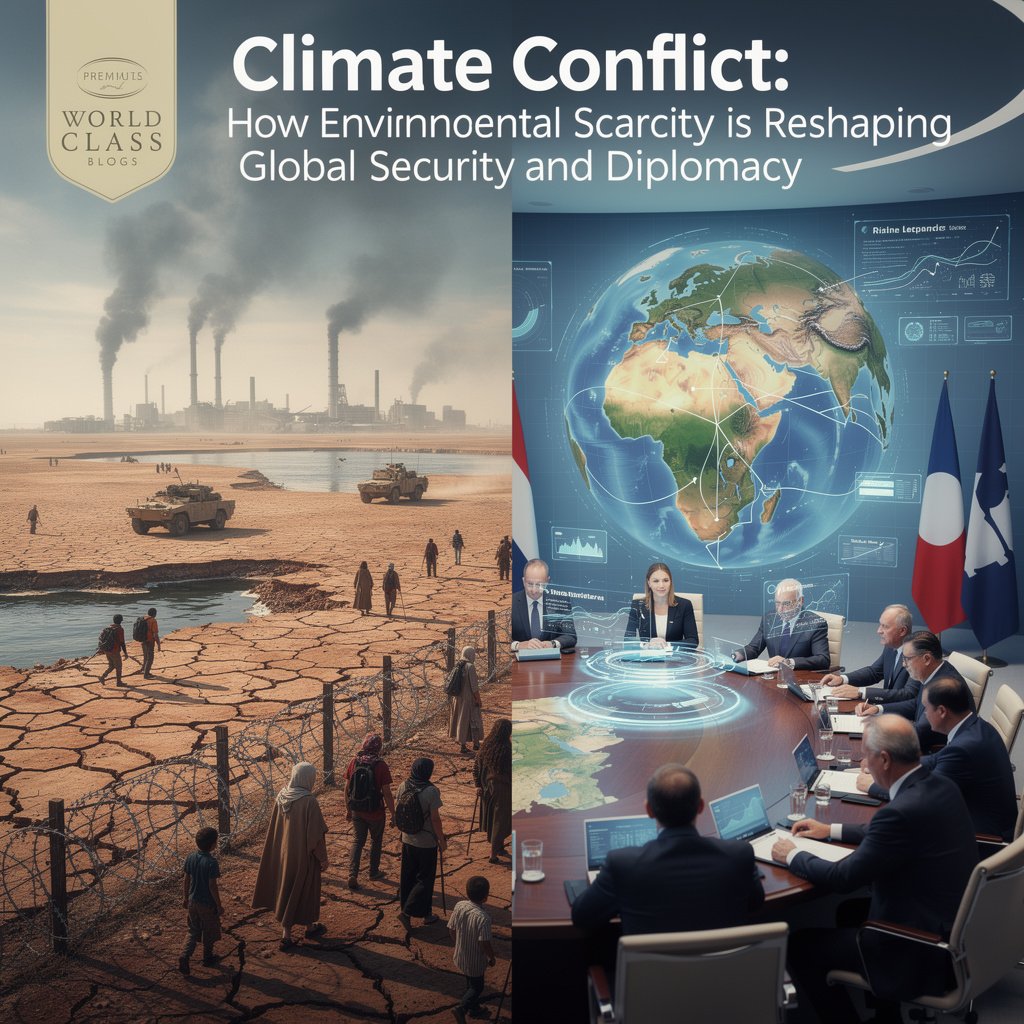
Climate Conflict: How Environmental Scarcity is Reshaping Global Security and Diplomacy
A complete guide to climate conflict. Learn how drought, resource scarcity, and displacement are driving wars in the Sahel, Syria & beyond. Explore climate security solutions.
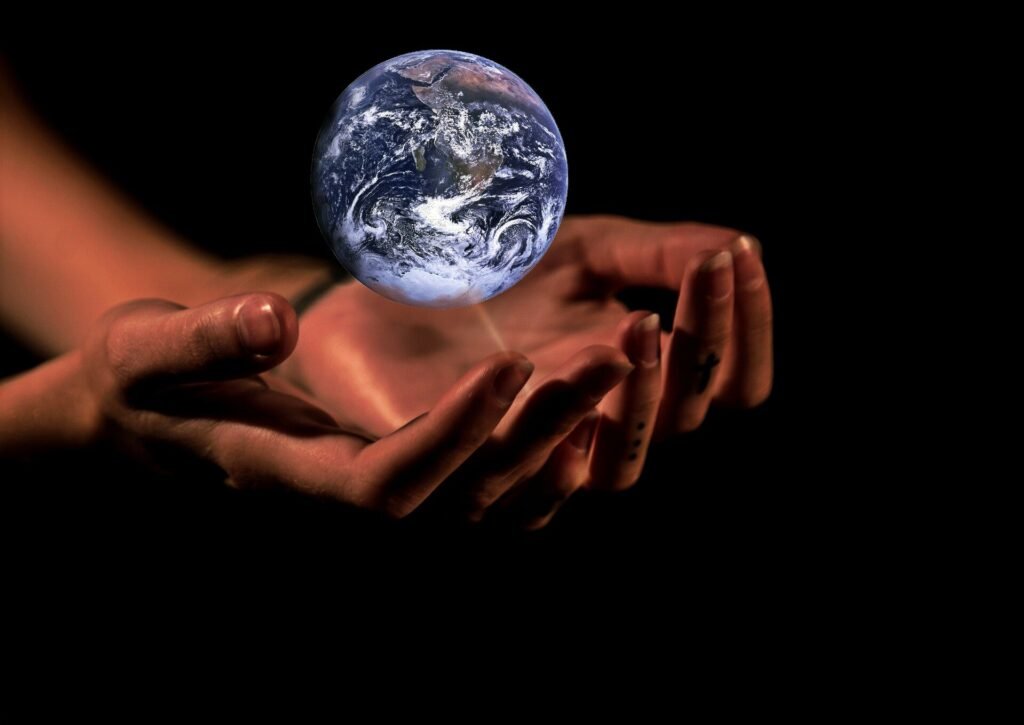
Identified regions where the intersection of high climate vulnerability, pre-existing fragility, and resource dependence creates significant risks for instability and conflict.
The accelerating climate crisis is fundamentally altering the global security landscape, transforming how nations conceptualize threats, deploy military assets, and conduct diplomacy as environmental scarcity triggers new conflicts and exacerbates existing tensions worldwide.
The intersection of climate change and human conflict represents one of the most complex security challenges of the ˛century. No longer confined to environmental policy discussions, climate impacts—from prolonged droughts that collapse agricultural systems to sea-level rise that displaces entire communities—are actively destabilizing regions, overwhelming governments, and creating conditions where violence becomes more likely. This phenomenon, often termed “climate conflict” or “environmental security,” requires a fundamental rethinking of traditional diplomacy and defense strategies. Where diplomats once primarily negotiated borders and trade agreements, they now must address how shrinking resources like water and arable land will be shared between populations, and how to manage the mass migrations these changes trigger. The sheer scale of this challenge is unprecedented: according to the 2024 Global Climate Risk Index, climate-related disasters have already displaced an average of 26.4 million people annually over the past decade, a number projected to rise dramatically. This guide explores the intricate links between a warming planet and human insecurity, examining how environmental stress is becoming a primary driver of conflict and how the international community is—and is not—adapting its diplomatic and security institutions to meet this existential threat.
Introduction – Why Climate Conflict Matters Now
The idea that environmental change could lead to conflict is not new, but the speed and intensity of current climate impacts have thrust this issue from theoretical concern to immediate policy priority. What was once a future risk is now a present reality in regions from the Sahel to Southeast Asia. Climate change acts as a “threat multiplier,” meaning it does not typically cause conflict in a vacuum but intensifies existing social, economic, and political fault lines. When a community’s survival is threatened by failing crops or vanishing water sources, the social contract that maintains peace can quickly unravel.
In my experience analyzing conflict zones, the climate dimension is often the overlooked thread that connects seemingly disparate crises. For instance, the devastating civil war in Syria, which began in 2011, was preceded by the worst drought in the country’s modern history—a drought made two to three times more likely by human-induced climate change, according to climate attribution studies. This drought drove millions of rural farmers and herders into cities, exacerbating unemployment, resource competition, and social unrest, creating tinder that political sparks would ignite. Similarly, herder-farmer conflicts across the Sahel have intensified as changing rainfall patterns erode traditional grazing routes and agreements. Recognizing these connections is no longer optional for diplomats and security professionals; it is essential for effective conflict prevention and resolution.
The diplomatic significance is profound. Climate change is redrawing the geopolitical map, creating new areas of strategic interest (like the thawing Arctic), new sources of tension (transboundary water disputes), and new classes of vulnerable populations (climate refugees). It is forcing military planners to consider how extreme weather will affect base resilience and operational readiness, and it is demanding that humanitarian agencies prepare for compound crises where conflict and climate disaster strike simultaneously. Ignoring the climate-conflict nexus means being blindsided by the driving forces behind tomorrow’s wars.
Background / Context: From Niche Theory to Security Council Agenda
The academic exploration of environment and conflict gained traction in the late 20th century. Thomas Homer-Dixon’s work in the 1990s argued that environmental scarcity—the depletion of renewable resources like fresh water, forests, and fertile soil—could lead to violent conflict, particularly in developing nations with weak institutions. Initially, this field was met with skepticism by mainstream security studies, which focused on political ideology and interstate rivalry.
The policy turning point came in 2007, when the United Nations Security Council held its first-ever debate on climate change and security. While member states were divided on whether the Council was the appropriate forum, the debate legitimized the issue at the highest levels of international security. In the following years, major defense institutions began to formally acknowledge the threat. The U.S. Department of Defense’s Quadrennial Defense Review (2010) labeled climate change a “threat multiplier,” and NATO has since declared it a “defining challenge of our time.”
Key reports have shaped the understanding:
- The Intergovernmental Panel on Climate Change (IPCC) has increasingly highlighted the risks of conflict and displacement in its assessments.
- The World Bank’s “Groundswell” reports model the scale of potential internal climate migration, projecting up to 216 million people moving within their own countries by 2050 if no climate action is taken.
- Think tanks like the International Crisis Group and the Center for Climate and Security now routinely analyze the conflict risks of climate impacts in regions from the Mekong Delta to the Lake Chad Basin.
Despite this growing awareness, institutional responses have been slow to materialize. Traditional diplomacy remains siloed, with climate negotiators operating separately from peace mediators. Humanitarian, development, and peacebuilding efforts are often poorly coordinated, failing to address the linked roots of climate vulnerability and conflict.
Key Concepts Defined
Navigating this complex field requires clarity on its foundational terms.
- Climate Security: An analytical framework that examines climate change through a security lens. It encompasses threats to national security (e.g., instability in strategic regions), human security (e.g., threats to individual safety and livelihoods), and ecological security (the integrity of natural systems upon which societies depend).
- Environmental Scarcity: A situation where renewable resources become degraded or depleted to the point that they cannot meet the demands of a population. Homer-Dixon identified three types: supply-induced scarcity (resource depletion), demand-induced scarcity (population growth), and structural scarcity (unequal distribution). Climate change primarily exacerbates supply-induced scarcity.
- Threat Multiplier: The predominant concept explaining climate-conflict links. Climate change worsens existing problems like poverty, weak governance, and historical grievances, making conflict more likely. It is rarely the sole cause but significantly increases risks.
- Climate-Fragility Risks: The compound risks that emerge at the intersection of climate change, vulnerability, and fragility. These include the risk that climate impacts overwhelm a state’s capacity to respond, leading to instability, and the risk that climate adaptation or mitigation policies themselves are poorly implemented and create new tensions.
- Adaptive Capacity: The ability of a system, community, or country to adjust to climate change, to moderate potential damages, and to cope with the consequences. Nations with high adaptive capacity (strong institutions, economic resources, technology) are more resilient to climate shocks and less likely to experience climate-driven conflict.
- Ecological Grief & Solastalgia: The psychological distress caused by environmental change. Solastalgia, a term coined by philosopher Glenn Albrecht, describes the distress of witnessing one’s home environment being negatively transformed. This emotional toll can fuel social discontent and erode community cohesion, becoming a subtle but powerful conflict factor.
How Climate Change Drives Conflict: The Causal Pathways
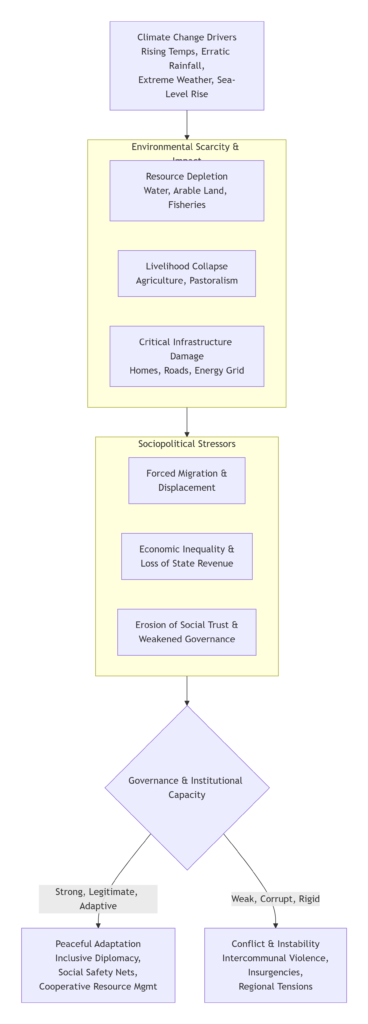
Understanding how a planetary change translates into local violence requires examining the specific mechanisms at work. Research points to several interconnected pathways.
Resource Scarcity and Competition
The most direct pathway is competition over diminishing life-sustaining resources. As climate change alters precipitation patterns and increases temperatures, water availability becomes less predictable and often reduced. This directly impacts agriculture and pastoralism. For example, in the Lake Chad Basin, once one of Africa’s largest water bodies, the lake has shrunk by 90% since the 1960s due to climate variability and water extraction. This collapse has devastated the livelihoods of farmers, herders, and fishers who depend on it, fueling recruitment for armed groups like Boko Haram and escalating intercommunal violence over the remaining water and fertile land. Similarly, in South Asia, tensions over shared river systems like the Indus and Brahmaputra are intensifying between nuclear-armed neighbors India and Pakistan as glacial melt alters flow patterns.
Livelihood Loss and Economic Desperation
When climate impacts destroy jobs—especially in agriculture, which employs over 65% of the workforce in low-income countries—they create a pool of economically desperate, often disillusioned young people. This desperation lowers the opportunity cost of joining rebellion or criminality. Research on the Sahel region shows that years of poor rainfall correlate with increased participation in illicit activities and armed groups, not necessarily due to ideological alignment, but simply because these groups offer one of the few remaining sources of income and social status. The loss of state revenue from climate-damaged industries can also cripple a government’s ability to provide services and security, further eroding its legitimacy.
Displacement and Migration
Climate change is creating a new era of human mobility. People are displaced by sudden-onset disasters (floods, storms) and slow-onset processes (desertification, sea-level rise). When large numbers of people move, it can strain resources and services in destination areas, potentially sparking tensions with host communities. The 2017 Rohingya crisis in Myanmar and Bangladesh, while rooted in deep ethnic persecution, was also preceded by extreme climate vulnerability in Rakhine State. More broadly, the Institute for Economics & Peace warns that by 2050, 1.2 billion people could be displaced by ecological threats, with sub-Saharan Africa, South Asia, and Latin America most at risk. Migration itself is not a direct cause of conflict, but unmanaged, large-scale movements into areas with pre-existing tensions can act as a catalyst.
Weakening Institutions and Governance
Climate disasters can directly overwhelm state capacity. When a government fails to respond effectively to a climate-related catastrophe—be it a hurricane, a mega-drought, or coastal erosion—it loses public trust. This creates openings for non-state armed groups to step in as providers of security and services, as seen with Hezbollah in Lebanon following climate-aggravated wildfires and economic collapse. Furthermore, elite capture of scarce resources or adaptation funding can exacerbate perceptions of corruption and inequality, fueling grievances that armed groups can exploit for recruitment.
Why This Nexus is Critically Important for Global Affairs
It Demands a Fundamental Rethink of Security
Traditional military power is largely useless against rising seas or failing monsoons. Climate security requires a shift from hard security (military defense) to human security (protecting populations from existential threats). This means security strategies must prioritize climate resilience, disaster preparedness, and sustainable development as core components of national defense. The U.S. Army’s Climate Strategy, released in 2022, explicitly states that “climate change endangers national security” and commits to installing microgrids on bases, electrifying tactical vehicles, and training soldiers in climate-related operational challenges.
It Creates New Diplomatic Fronts and Alliances
Climate change is creating entirely new subjects for diplomatic negotiation. The race for Arctic resources and shipping lanes as ice recedes has turned a once-frozen periphery into a zone of strategic competition involving the U.S., Russia, Canada, and Nordic states. Similarly, debates over “loss and damage” financing—funds from historically high-emitting nations to vulnerable countries suffering irreversible climate harms—have become one of the most contentious and morally charged issues in international climate diplomacy, directly linking historical responsibility to current security risks.
It Challenges International Legal and Humanitarian Frameworks
The existing international system is ill-equipped for climate-driven instability. There is no legal definition or protection for “climate refugees,” as the 1951 Refugee Convention does not recognize environmental degradation as grounds for asylum. This leaves millions in a legal limbo. Furthermore, international humanitarian law, which governs conduct in war, is being tested in conflicts where climate stress is a key factor, raising questions about obligations to protect civilian access to water and food in a changing climate.
It Represents an Unprecedented Scale of Risk
The potential for synchronous, global shocks is what makes climate conflict uniquely dangerous. Multiple breadbasket failures, concurrent mega-disasters, or cascading system collapses in interconnected regions could overwhelm the global capacity to respond, leading to instability on a scale not seen in modern times. The 2022 simultaneous heatwaves and droughts across the Northern Hemisphere, which affected food production from the U.S. to China to France, offered a preview of this systemic risk.
The Future: Toward Sustainable Climate Security
Building a future where climate change does not automatically mean more conflict requires proactive, integrated strategies that break down policy silos.
Mainstreaming Climate in All Security and Diplomacy Work
This means every conflict analysis, early warning report, peacekeeping mandate, and diplomatic initiative should include a climate risk assessment. The UN has taken steps in this direction, with the Secretary-General calling for “climate security foresight” across the system. Several UN peacekeeping missions, like those in Mali and Somalia, now have environmental advisors, and the Department of Political and Peacebuilding Affairs has established a Climate Security Mechanism.
Investing in Anticipatory Action and Adaptive Governance
The most cost-effective “weapon” against climate conflict is prevention. This involves investing in climate-resilient infrastructure, drought-resistant agriculture, early warning systems, and social safety nets before crises hit. It also means supporting adaptive governance—flexible, inclusive institutions that can manage resources fairly under changing conditions. The Peace and Security Climate Fund announced by the UN in 2024 aims to direct resources specifically to climate-related conflict prevention in fragile states.
Developing New Legal and Policy Frameworks
The international community must develop new tools. This could include:
- Guidelines on climate-displaced persons, potentially through a new protocol or multilateral agreement.
- Shared principles for transboundary resource management in a changing climate, building on tools like the UN Watercourses Convention.
- Integrating climate adaptation into peace agreements, ensuring that post-conflict rebuilding creates resilience to future climate shocks rather than recreating vulnerability.
Embracing “Environmental Peacebuilding”
Instead of seeing the environment only as a source of conflict, it can be a platform for cooperation. Environmental peacebuilding initiates joint projects—like co-managing a shared river basin, restoring a degraded forest, or developing cross-border solar grids—that build trust between conflicting parties. The EcoPeace Middle East organization, which brings together Jordanian, Palestinian, and Israeli communities to rehabilitate the Jordan River, is a pioneering example of this approach.
Common Misconceptions About Climate and Conflict
“Climate Change Will Cause Wars Between Countries Over Water”
While tensions rise, outright “water wars” between nations are historically rare. Water is often a source of cooperation, with over 3,600 water treaties recorded. The more probable scenario is internal conflict or localized violence between sub-national groups (farmers vs. herders, upstream vs. downstream communities) as scarcity bites. Interstate conflict is more likely over secondary effects, like mass migration or geopolitical shifts in strategic regions like the Arctic.
“It’s All About Direct Resource Scarcity”
The links are often more indirect and political. A key mechanism is how climate stress weakens institutions and fuels grievances. It’s not just the lack of water, but the perception of unfair distribution, government neglect, or corruption in drought relief that drives people to violence. The conflict trigger is often political mismanagement of the climate crisis, not the climatic event itself.
“Climate Conflicts Are a Problem for the Global South Only”
While the most severe impacts are felt in vulnerable, low-capacity countries, the security implications are global. Instability in one region can trigger mass migration, disrupt global supply chains (e.g., food prices), create havens for terrorist groups, and draw major powers into new security commitments. Furthermore, developed nations face their own climate security challenges, from managing domestic disaster response to securing critical infrastructure against climate extremes.
“We Can Address Climate and Conflict Separately”
This siloed thinking is a major barrier. Humanitarian aid that rebuilds a village after flooding without making it more resilient to the next flood wastes resources. Peace agreements that don’t address the resource grievances that fueled the conflict are likely to fail. Integrated programming—climate-smart peacebuilding—is essential but remains the exception, not the norm, in international practice.
Recent Developments and Emerging Frontlines (2023-2025)
The Sahel: The Epicenter of Climate-Fragility Risks
The Sahel remains the most cited case study, with temperatures rising 1.5 times faster than the global average. The expansion of the Sahara Desert, unpredictable rainfall, and the disappearance of Lake Chad have created a perfect storm. Jihadist groups exploit these conditions by offering alternative governance and capitalizing on disputes between herders and farmers. In 2024, the UN Security Council passed a resolution explicitly linking climate change to security in the Sahel, calling for integrated risk assessments and response strategies—a significant, if belated, diplomatic acknowledgment.
The Pacific and Sea-Level Rise Sovereignty Threats
For small island developing states (SIDS), climate change is an existential threat to statehood itself. As sea levels rise, nations like Kiribati and the Maldives risk becoming uninhabitable, raising unprecedented questions: What happens to a nation’s UN seat, maritime boundaries, and citizenship if its territory disappears? In response, some are exploring radical adaptation, like Kiribati’s purchase of land in Fiji, while also leading a diplomatic charge for legal recognition of “climate loss and damage” and “sinking nation” status.
The Arctic: Geopolitical Competition in a Thawing Frontier
The rapid melting of Arctic sea ice is opening new shipping routes (the Northern Sea Route) and access to vast oil, gas, and mineral deposits. This has triggered a military and diplomatic buildup by Arctic and near-Arctic states. Russia has reopened Soviet-era military bases, NATO conducts regular exercises, and non-Arctic powers like China declare themselves “Near-Arctic States.” Diplomatic forums like the Arctic Council are under strain as cooperation competes with renewed great-power rivalry.
Courtrooms: The Rise of Climate Litigation
A new front is emerging in domestic and international courts. In 2024, the International Court of Justice (ICJ) began hearings on a landmark case, brought by Vanuatu and backed by over 130 states, seeking an advisory opinion on the legal obligations of states to protect people from climate harm. Similarly, the European Court of Human Rights ruled in favor of a group of Swiss senior women who argued their government’s climate inaction violated their right to life. These legal battles are creating new pressure points and obligations for states, directly linking climate policy to legal and human rights frameworks.
Success Stories and Effective Interventions
Despite the daunting challenges, there are examples where integrated approaches are making a difference.
The Mekong River Commission: Data Diplomacy
The Mekong River, vital for 70 million people, is severely stressed by climate change and upstream dams. The Mekong River Commission (MRC), despite lacking enforcement power, has successfully fostered cooperation between Cambodia, Laos, Thailand, and Vietnam through shared data diplomacy. By jointly monitoring river flow, sediment, and climate impacts, and transparently sharing this information, the MRC helps member states make more informed decisions and reduces suspicions, preventing disputes from escalating. It is a model of technical cooperation building political trust.
Kenya’s County Climate Change Funds
Kenya has pioneered a decentralized approach to building climate resilience and reducing local conflict risks. Through County Climate Change Funds, financed by a combination of local revenue, national government, and international donors, communities themselves identify and fund priority adaptation projects—whether drilling boreholes, planting drought-resistant crops, or creating pasture reserves. This local ownership ensures solutions are context-specific and reduces competition over resources by managing them collectively. The model has been credited with reducing resource-based conflicts in arid northern counties and is being replicated in other African nations.
Colombia’s Integration of Environment in Peace Implementation
Following the 2016 peace agreement with the FARC, Colombia made environmental protection and climate resilience a pillar of its implementation. The agreement includes provisions for “Integrated Rural Reform” that promotes sustainable land use, forest conservation, and alternative livelihoods like eco-tourism in former conflict zones. This recognizes that deforestation for coca cultivation or illegal mining often filled the vacuum after conflict, and that lasting peace requires a healthy environmental foundation. Special development programs with an environmental focus are being implemented in priority regions, aiming to break the cycle of conflict, environmental degradation, and poverty.
Real-Life Examples: When Theory Becomes Reality
Syria: The Archetypal Case Study
The Syrian conflict (2011-present) is the most intensively studied example of climate-conflict links. From 2006-2010, Syria experienced its worst recorded drought, destroying livelihoods for up to 1.5 million people, primarily in the northeast “breadbasket” region. Massive rural-to-urban migration followed, swelling informal settlements around cities like Aleppo and Homs. These new urban poor faced unemployment, inadequate services, and government neglect. Research by climate scientist Colin Kelley and others concluded that human-caused climate change made this drought two to three times more likely. While not the sole cause, this climate shock acted as a catalyst, exacerbating the social and economic stresses that fueled the uprising against the Assad regime. The war itself has then created an environmental catastrophe, damaging water systems and agriculture, showing how conflict and environmental damage form a vicious cycle.
Lake Chad Basin: Disappearing Livelihoods, Rising Extremism
Once a vast lake supporting 30 million people across Nigeria, Niger, Chad, and Cameroon, Lake Chad has shrunk by 90% since the 1960s due to overuse and reduced rainfall. This collapse has devastated the fishing, farming, and herding economies. Desperation and competition over the remaining resources have fueled recruitment for Boko Haram and the Islamic State in West Africa. These groups offer cash, food, and a sense of purpose. At the same time, clashes between herders (often ethnic Fulani) and farmers have become deadlier as traditional grazing corridors vanish. The crisis exemplifies how climate-driven scarcity interacts with poor governance, poverty, and existing ethnic tensions to create a prolonged, complex emergency.
The U.S. Dust Bowl: A Historical Precedent
While not caused by anthropogenic climate change, the American Dust Bowl of the 1930s offers a powerful historical analogy. A combination of drought and poor farming practices turned the Great Plains into a dust desert, forcing 2.5 million people to abandon their farms. This massive displacement and economic devastation contributed to social upheaval and political radicalization during the Great Depression. It demonstrated how environmental collapse can destabilize even a wealthy, stable nation, necessitating massive state intervention (the New Deal’s agricultural programs) to restore stability. It serves as a reminder that no society is inherently immune to the security consequences of environmental disaster.
Conclusion and Key Takeaways
The era of climate-conflict diplomacy has unequivocally arrived. Environmental scarcity, driven by a rapidly changing climate, is no longer a fringe concern but a central determinant of global stability. Addressing it requires nothing less than a paradigm shift in how we conceive of security, conduct diplomacy, and build peace.
Key Takeaways:
- Climate Change is a Core Security Issue, Not an Environmental Niche: It is accelerating conflicts, driving displacement, and straining the institutions meant to keep peace. Security strategies that ignore climate impacts are operating with a dangerous blind spot.
- The Pathways are Indirect but Powerful: Climate change rarely causes conflict directly. It acts as a “threat multiplier,” exacerbating poverty, weakening governance, and intensifying competition over resources. The most damaging impacts often flow from political failures to manage climate stresses equitably.
- Prevention is the Only Cost-Effective Strategy: Investing in climate adaptation, resilient livelihoods, and strong, fair institutions in fragile states is far cheaper—in both financial and human terms—than responding to full-blown conflict and humanitarian catastrophe later. Anticipatory action must become the norm.
- Siloed Thinking is a Major Obstacle: The greatest barrier to progress is the separation between climate, development, humanitarian, and peacebuilding communities. Effective solutions demand integrated programming—climate-smart peacebuilding and conflict-sensitive climate action.
- New Tools and Frameworks are Urgently Needed: The international system requires innovations, from legal protections for climate-displaced people to financing mechanisms that directly address climate-security risks. Forums like the UN Security Council must evolve to systematically address these compound crises.
The future will be defined by our collective ability to break down these artificial barriers and confront the intertwined crises of climate change and conflict with unprecedented cooperation. As the 2024 IPCC report starkly concluded, the window for securing a livable future is narrowing rapidly. Building peace on a warming planet is the defining diplomatic and security challenge of our century. For more on related global challenges, explore our coverage on nonprofit initiatives tackling these complex issues.
Frequently Asked Questions (FAQs)
Q1: What is the strongest evidence linking climate change to specific conflicts?
The most robust evidence comes from cases like Syria and the Sahel, where peer-reviewed climate attribution studies show human activity made severe droughts more likely. Combined with historical data showing increased conflict frequency following climate shocks in vulnerable regions, a strong correlation is established. However, researchers caution against claiming climate change “caused” a war; it’s better understood as a critical aggravating factor.
Q2: Are there any places where climate change might reduce conflict risks?
Potentially, yes. In some cases, climate change could alter conditions to temporarily reduce tensions—for example, increased rainfall in arid regions might ease water scarcity. However, these are likely localized and temporary. The overwhelming consensus from major security institutions is that the global net effect dramatically increases instability and conflict risks.
Q3: How do militaries around the world view climate change?
Most advanced militaries now treat it as a major strategic threat. The U.S. Department of Defense calls it a “threat multiplier.” The UK Ministry of Defence has a climate change and sustainability strategy. Their concerns focus on: operational challenges (e.g., bases flooded, equipment overheating), increased demand for humanitarian and disaster response, and instability in strategic regions that could draw them into conflict.
Q4: What is “loss and damage” and why is it a security issue?
“Loss and damage” refers to the irreversible harms from climate change that cannot be adapted to, like lost lives, submerged territories, or permanent ecosystem destruction. It’s a security issue because the failure to provide adequate financial support for these losses in vulnerable countries is a major source of grievance, undermining global cooperation and potentially fueling resentment and instability.
Q5: Can climate adaptation projects themselves cause conflict?
Yes, if poorly designed. This is called “maladaptation.” Examples include a large dam that cuts off water downstream, benefiting one community at the expense of another, or fencing off conservation areas that exclude indigenous pastoralists from traditional lands. Conflict-sensitive climate action is essential to ensure adaptation builds peace rather than undermines it.
Q6: What is the role of corporations and resource extraction in climate conflict?
Extractive industries (oil, gas, mining) can be a double-edged sword. They can generate revenue but often exacerbate problems by causing environmental degradation, fueling corruption, and creating “resource curses.” Competition over control of these resources, especially as new areas become accessible (e.g., the Arctic), can itself be a source of tension.
Q7: How does climate change affect terrorist and insurgent groups?
These groups are often highly adaptive. They exploit climate vulnerabilities by: providing services where governments fail, recruiting from desperate populations whose livelihoods are destroyed, and taxing or controlling scarce resources like water points and agricultural land to fund their operations and gain local leverage.
Q8: Is the concept of “climate refugees” legally recognized?
No, not currently. The 1951 Refugee Convention defines a refugee as someone fleeing persecution based on race, religion, nationality, etc. It does not include environmental drivers. Some countries offer complementary protections or humanitarian visas on a case-by-case basis, but there is no binding international framework specifically for people displaced across borders by climate impacts.
Q9: What are “climate security risk assessments”?
These are analytical tools used by governments, the UN, and NGOs to systematically evaluate how climate impacts might interact with social, economic, and political factors in a specific region to increase the risk of conflict. They help prioritize interventions and design more effective policies.
Q10: How is the United Nations addressing this issue?
Through multiple channels: the Security Council holds periodic debates; the Climate Security Mechanism coordinates work across agencies; the Peacebuilding Fund supports projects addressing climate-related risks; and several peacekeeping missions now include environmental expertise. However, coordination and funding remain significant challenges.
Q11: What is “ecological grief” and how does it relate to conflict?
Ecological grief is the mental distress caused by experiencing environmental loss and degradation. When people mourn the loss of their ancestral lands, dying livestock, or a changed landscape, it can lead to despair, anger, and a weakened sense of community. This emotional state can reduce social cohesion and make societies more susceptible to manipulation by conflict entrepreneurs.
Q12: How does climate change affect food security and conflict?
Climate change reduces crop yields, increases pest outbreaks, and makes harvests unpredictable. Rising food prices or outright scarcity hit the poorest hardest, leading to protests, riots (like the food price riots of 2007-2008), and competition over fertile land. Food insecurity is a well-documented trigger for social unrest.
Q13: Are urban areas at risk from climate conflict?
Absolutely. Cities are vulnerable to heatwaves, floods, and water scarcity. Climate-driven rural-urban migration can strain urban services, increase competition for jobs and housing, and exacerbate existing inequalities. Poorly managed, these stresses can lead to urban violence and political instability.
Q14: What is the relationship between climate change, gender, and conflict?
Climate impacts are not gender-neutral. Women, particularly in agricultural societies, often bear the brunt of resource scarcity (spending more time fetching water), face greater risks during displacement, and have fewer resources to adapt. This heightened vulnerability can also make them more exposed to conflict-related violence and less able to participate in decision-making on climate and security.
Q15: How can technology help address climate security risks?
Technology plays a dual role. Positive applications include: early warning systems for disasters, drought-resistant seeds, remote sensing to monitor resource depletion and conflict hotspots, and data platforms for transparent water sharing. However, technology like large-scale water extraction or geoengineering could also create new risks if governed poorly.
Q16: What are “transboundary climate risks”?
These are climate impacts in one country that spill over to affect another. Examples include: upstream dams or water use affecting downstream neighbors, climate-driven migration flows, or the cross-border spread of diseases whose range changes with warming temperatures. Managing these requires intense diplomatic cooperation.
Q17: How do peace treaties address environmental or climate issues?
Historically, they rarely did. This is changing. Modern agreements, like Colombia’s 2016 peace deal, increasingly include provisions for land reform, environmental restoration, and sustainable development as part of building a lasting peace. This recognizes that ignoring the environmental drivers of conflict makes relapse more likely.
Q18: Is climate change a bigger security threat than terrorism?
Many senior security officials now argue it is. While terrorism poses an acute, direct threat, climate change poses a systemic, pervasive threat that influences the conditions in which terrorism, insurgency, and state failure flourish. It threatens the foundation of global stability in a way that is more widespread and long-term.
Q19: What is the “Arctic Council” and how is climate change affecting it?
The Arctic Council is the leading intergovernmental forum for Arctic cooperation. As the ice melts, making the region more accessible, its work has become strategically vital and more contentious. Cooperation on scientific and environmental issues is now paralleled by increased military activity and competition over resources, testing the Council’s consensus-based model.
Q20: How can an individual contribute to climate security?
While systemic change requires government action, individuals can: advocate for policies that integrate climate and security planning, support humanitarian and development organizations working on climate resilience in fragile states, and make consumer choices that reduce personal carbon footprint. Informed public pressure is crucial to drive political action.
Q21: What are the main obstacles to greater international cooperation on climate security?
Key obstacles include: sovereignty concerns (states resisting outside intervention), the North-South divide over historical responsibility and financing, competition between major powers (e.g., U.S., China), and the persistent separation of climate and security bureaucracies within governments.
Q22: How does climate change affect access to fresh water globally?
It disrupts the hydrological cycle, leading to more intense droughts in some areas and heavier floods in others. Glacial melt affects long-term river flows for billions in Asia and South America. Sea-level rise causes saltwater intrusion into coastal aquifers. Overall, it reduces reliable access to clean water for a growing portion of the world’s population.
Q23: What is “climate justice” in the context of conflict?
It’s the ethical argument that those who contributed least to greenhouse gas emissions (often poor, vulnerable communities and nations) are suffering the worst security consequences. Demands for climate justice include adequate adaptation finance, loss and damage funding, and ensuring that climate policies do not further marginalize these groups.
Q24: Can climate interventions like geoengineering create new security risks?
Absolutely. Large-scale solar radiation management or other geoengineering techniques, if deployed unilaterally, could have unpredictable regional climate effects (e.g., disrupting monsoons). This could be perceived as an act of aggression or ecological warfare, potentially leading to severe international conflict.
Q25: How are intelligence agencies adapting to climate threats?
Agencies like the U.S. National Intelligence Council now produce regular assessments on climate security. They are tasked with analyzing how climate change will affect political stability, migration patterns, and resource competition in key countries, providing early warning of potential crises.
Q26: What is the “Doomsday Glacier” and why is it a security concern?
The Thwaites Glacier in Antarctica is nicknamed the “Doomsday Glacier” because its potential collapse could raise global sea levels by several feet. This would be catastrophic for coastal cities, ports, and naval bases worldwide, forcing mass relocation, threatening economic hubs, and creating unprecedented humanitarian and security challenges.
Q27: Is there a point where climate impacts become so severe that they are “unmanageable” from a security perspective?
This is the concept of “climate endgame” or “catastrophic” climate change. Scenarios involving extreme warming (e.g., +3°C or more) could lead to simultaneous crop failures, cascading system collapses, and levels of displacement and instability that overwhelm any existing national or global security architecture. Avoiding this is the ultimate goal of climate security policy.
About the Author
This article was authored by a senior researcher and policy advisor with over 12 years of experience at the intersection of environmental science, conflict analysis, and international diplomacy. The author has field experience in several climate-vulnerable conflict zones, has contributed to UN climate security assessments, and advises governmental and non-governmental organizations on designing conflict-sensitive climate adaptation strategies. Their work is grounded in the conviction that understanding the ecological dimensions of conflict is essential for building lasting peace in the 21st century. For more expert analysis on global policy challenges, visit our central hub at World Class Blogs.
Free Resources

- UN Environment Programme (UNEP) Conflict and Disasters Portal: A repository of reports, data, and case studies on environmental dimensions of conflict and disaster recovery.
- The Center for Climate and Security (CCS) “Climate Security 101” Series: An excellent set of briefs and interactive maps explaining key concepts and regional risk assessments.
- International Crisis Group (ICG) Reports: Search their database for in-depth reports on specific conflicts, many of which now include analysis of climate stress factors.
- Environmental Peacebuilding Association Knowledge Platform: A comprehensive library of academic papers, case studies, and policy briefs on environmental cooperation and conflict prevention.
- World Bank Climate Change Knowledge Portal: Offers country-level data on climate projections, vulnerabilities, and adaptation options.
- The NATO Strategic Foresight Analysis Reports: These periodic reports detail how climate change is factored into the alliance’s long-term security planning.
- IPCC Reports (Working Group II): The definitive scientific assessments on climate impacts, adaptation, and vulnerability, with increasing coverage of human security dimensions.
- The Podcast “The Climate and Conflict Nexus” by the Climate Diplomacy Initiative: Features interviews with experts, diplomats, and field workers.
Discussion
The climate-conflict nexus presents perhaps the most complex “wicked problem” for global governance. It challenges our deepest institutional and conceptual silos. We invite you to reflect and share your perspectives: In your view, which institution—national militaries, the UN Security Council, development banks, or grassroots civil society—is most critically positioned to lead in addressing climate security? Should climate displacement be addressed through a new international legal treaty, or through adapting existing regional frameworks? How do we balance the urgent need for climate action with the imperative to avoid top-down solutions that could themselves spark resistance or conflict? Share your thoughts and experiences in the comments below. For further exploration of systemic global risks, you may be interested in this guide to global supply chain management or insights on building resilient strategic alliances. To contribute your voice or learn more, explore our blog categories or get in touch.