
From Kyoto to Paris: The Evolution of Global Climate Negotiations
A comprehensive guide tracing the evolution of international climate negotiations from the Kyoto Protocol to the Paris Agreement, examining how approaches have changed and what this means for future climate governance. climate negotiations, Kyoto Protocol, Paris Agreement, UNFCCC, climate diplomacy, international environmental agreements, global climate governance, COP, negotiation history, climate policy evolution, Kyoto Protocol, Paris Agreement, UNFCCC, COP, global climate diplomacy, international environmental agreements, climate negotiation history, from Kyoto to Paris, UN climate conferences, climate diplomacy, negotiation blocs, common but differentiated responsibilities, how have climate negotiations changed over time, difference between Kyoto and Paris agreements, evolution of international climate policy, history of UN climate talks, lessons from climate diplomacy.
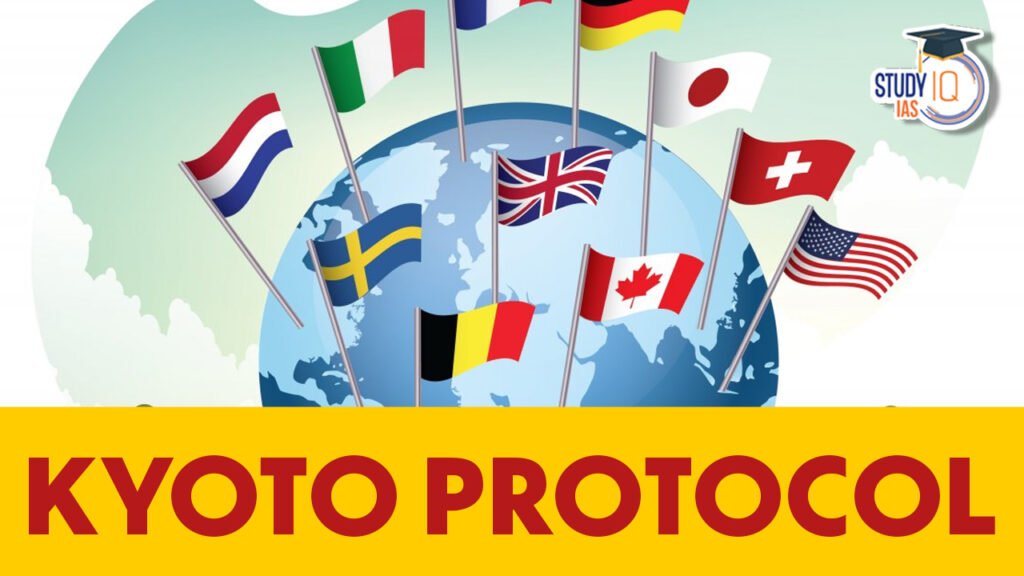
Climate negotiations involve complex alliances and negotiation blocs that shape outcomes through coalition-building and strategic positioning.
Introduction – Why Understanding Climate Negotiations Matters
Global climate negotiations represent humanity’s most ambitious attempt to coordinate international action on a planetary-scale problem. These complex diplomatic processes have evolved dramatically over three decades, reflecting changing scientific understanding, economic realities, and geopolitical dynamics. For curious beginners and professionals seeking a quick refresher, grasping this evolution isn’t just about understanding diplomacy—it reveals how the world organizes itself to address collective threats.
In my experience attending climate negotiations from Copenhagen to Paris, what I’ve found most revealing is how these processes reflect deeper shifts in global governance. Early negotiations operated on traditional diplomatic principles of strict reciprocity between sovereign states, while contemporary processes increasingly incorporate non-state actors, scientific assessments, and market mechanisms. This evolution mirrors broader transitions in how humanity addresses transnational challenges in an interconnected world.
The journey from the Kyoto Protocol’s rigid architecture to the Paris Agreement’s flexible framework represents more than just technical improvements—it signifies a fundamental rethinking of how to achieve cooperation among nearly two hundred sovereign nations with vastly different circumstances and capabilities. Understanding this evolution helps explain why certain approaches succeeded where others failed, and what this means for future climate governance.
Background / Context: The Genesis of International Climate Diplomacy
The Scientific Foundation (1970s-1980s)
International climate negotiations didn’t emerge in a vacuum but were built upon decades of scientific consensus-building. The first World Climate Conference in 1979 marked the initial international recognition that climate change posed a serious global problem requiring coordinated research. Throughout the 1980s, scientific assessments grew increasingly confident about human influence on climate, culminating in the establishment of the Intergovernmental Panel on Climate Change in 1988.
This scientific foundation proved crucial for subsequent political action. Unlike other environmental issues that could be addressed through bilateral agreements or regional frameworks, climate change presented a true global commons problem requiring unprecedented cooperation. The atmosphere’s capacity to absorb greenhouse gases without dangerous warming represents a shared resource that all nations use, but none own, creating classic collective action challenges that traditional diplomacy struggled to address.
The Framework Convention (1992)
The United Nations Framework Convention on Climate Change, adopted at the 1992 Earth Summit in Rio de Janeiro, established the basic architecture for all subsequent climate negotiations. The UNFCCC articulated several principles that would shape negotiations for decades: the objective of stabilizing greenhouse gas concentrations; the principle of “common but differentiated responsibilities” acknowledging historical emissions differences; and the commitment of developed countries to take the lead.
What made the UNFCCC innovative was its recognition of asymmetry in responsibility and capacity between developed and developing nations. This framework rejected the “one-size-fits-all” approach that had doomed other international environmental agreements, instead creating a structure that allowed for differentiated obligations. However, the convention established only general commitments rather than specific targets, setting the stage for the more specific but more contentious Kyoto Protocol negotiations that followed.
Key Concepts Defined: Understanding Negotiation Frameworks
Annex I vs. Non-Annex I Countries
The Annex system established under the UNFCCC created a bifurcated world of climate obligations that would define negotiations for decades. Annex I countries included industrialized nations and economies in transition that were expected to take the lead in emissions reductions. Non-Annex I countries encompassed developing nations without immediate reduction obligations, though they were encouraged to pursue sustainable development pathways.
This binary categorization reflected 1990s realities but became increasingly problematic as some Non-Annex I countries like China, India, and Brazil developed into major emitters. The gradual erosion of this distinction through various negotiation mechanisms eventually led to the Paris Agreement’s more nuanced approach. Understanding this categorization is essential for grasping why certain countries resisted particular obligations in different negotiation phases.
Market Mechanisms: From Kyoto to Paris
Carbon markets emerged as a central innovation in climate negotiations, representing attempts to use economic instruments to achieve environmental goals at lower cost. The Kyoto Protocol established three market mechanisms: International Emissions Trading between Annex I countries; the Clean Development Mechanism allowing developed countries to invest in emissions reduction projects in developing countries; and Joint Implementation between developed countries.
These mechanisms reflected a fundamental philosophical shift from “command-and-control” regulation toward market-based approaches. However, they also created complex technical and governance challenges around additionality, verification, and avoidance of double-counting. The Paris Agreement’s Article 6 represents the latest evolution of these mechanisms, attempting to balance environmental integrity with operational flexibility while learning from Kyoto’s implementation challenges.
The Principle of Common But Differentiated Responsibilities
The CBDR principle (Common But Differentiated Responsibilities and Respective Capabilities) has served as both the foundation and fault line of climate negotiations since the UNFCCC. This principle acknowledges that while all countries share responsibility for addressing climate change, developed countries that have contributed most to historical emissions and have greater technological and financial capacities should take the lead.
The operationalization of CBDR has evolved significantly. Kyoto implemented it through strict differentiation between Annex I and non-Annex I obligations. Paris transformed it into a more flexible framework where differentiation occurs through self-determined national contributions within a universal structure. This evolution reflects both philosophical debates about equity and practical considerations about securing participation from all major emitters.
How It Works: The Negotiation Process Step-by-Step
Pre-Negotiation: Scientific Assessment and Political Positioning
Months before formal negotiations begin, the process is already underway through scientific assessments and political positioning. The IPCC’s periodic reports provide the scientific foundation, while various stakeholder groups—countries, negotiating blocs, observer organizations—develop their positions. This pre-negotiation phase involves bilateral discussions, coalition-building within negotiating groups, and the circulation of draft text proposals.
What many observers miss is how much negotiation occurs outside formal sessions. Delegates from key countries hold informal consultations, technical experts work on detailed proposals, and negotiators test positions with their counterparts. This “corridor diplomacy” often proves decisive, as personal relationships and informal understandings can break logjams that persist in formal sessions. The French presidency’s extensive pre-COP consultations before Paris exemplified how effective pre-negotiation can shape outcomes.
Formal Negotiations: The Conference of Parties Process
Formal negotiations occur primarily at the annual Conference of Parties to the UNFCCC, supplemented by intersessional meetings. The process follows established UN procedures with formal plenaries, contact groups addressing specific issues, informal consultations, and ministerial segments for high-level political intervention. Negotiating texts undergo multiple iterations, with brackets indicating disputed language that requires political resolution.
The negotiation dynamics involve complex multi-level games: negotiators must balance international positions with domestic constraints, coordinate within negotiating blocs (like the G77+China, European Union, or Alliance of Small Island States), and navigate North-South and developed-developing country divides. Skilled presidencies—like the French presidency at COP21—manage these dynamics by identifying landing zones, constructing package deals, and ensuring procedural fairness while driving toward agreement.
Decision-Making: Consensus Versus Voting
Climate negotiations operate on the principle of consensus decision-making, meaning agreement requires the absence of formal objection rather than unanimous positive support. This gives every party effective veto power while encouraging solutions that address core concerns of all significant players. When consensus proves impossible, parties may adopt decisions by voting, though this occurs rarely and usually on procedural rather than substantive matters.
The consensus requirement creates both challenges and opportunities. It can enable obstruction by small groups or even individual countries, as seen when Saudi Arabia blocked decisions at several COPs. However, it also incentivizes package deals that address multiple parties’ concerns and promotes ownership of outcomes by all participants. The shift from Kyoto’s “coalition of the willing” approach to Paris’s universal participation required careful consensus-building that addressed diverse national circumstances.
Implementation and Review: From Agreement to Action
Adopting an agreement represents just the beginning of the implementation phase. For treaties like Kyoto and Paris, this requires domestic ratification processes that vary by country (parliamentary approval, presidential action, etc.). Once in force, implementation involves translating international commitments into domestic policies, establishing reporting systems, and participating in review processes.
The transparency framework represents a crucial implementation mechanism, creating accountability through regular reporting and review. Kyoto established relatively detailed reporting requirements for Annex I countries but weaker provisions for others. Paris created an Enhanced Transparency Framework with common elements for all parties while allowing flexibility for developing countries that need it. This evolution reflects learning from implementation challenges under previous agreements.
Why It’s Important: Beyond Environmental Protection

Testing Ground for Global Governance
Climate negotiations serve as a testing ground for 21st-century global governance, experimenting with how to achieve cooperation on problems that transcend national borders. The challenges faced—distributing costs and benefits fairly, enforcing agreements among sovereign states, integrating scientific expertise into political decision-making—mirror those confronting other global issues from pandemics to cyber governance.
The evolution from Kyoto’s top-down approach to Paris’s hybrid model offers insights for other multilateral challenges. Kyoto demonstrated the limitations of imposing uniform obligations on diverse countries, while Paris showcases the potential of combining nationally determined actions with international review and coordination. These lessons extend beyond climate policy to other areas requiring global cooperation amid national diversity.
Driver of Economic Transformation
International climate negotiations have become a powerful driver of economic signals guiding trillions of dollars in investment decisions. The Paris Agreement’s long-term temperature goals, reinforced by regular ambition cycles, provide certainty to businesses and investors about the direction of global policy. This has accelerated the energy transition, with renewable energy becoming the cheapest source of new electricity in most markets.
These economic impacts extend beyond energy to transportation, agriculture, manufacturing, and finance. Climate-aligned investment now represents a significant portion of global capital flows, with financial institutions increasingly assessing and disclosing climate risks. The negotiations create the policy frameworks that either enable or constrain these economic transformations, making them relevant far beyond environmental ministries.
Platform for Equity and Justice Debates
Climate negotiations provide perhaps the most prominent global platform for debating equity between nations in an interconnected world. The discussions about historical responsibility, climate finance, technology transfer, and capacity-building directly engage fundamental questions about fairness in international relations. Small island states facing existential threats have used this platform to advocate for their survival, while developing countries have insisted on their right to development.
These equity debates have produced innovative mechanisms like the Green Climate Fund, the Warsaw International Mechanism for Loss and Damage, and the Paris Committee on Capacity-building. While implementation often falls short of aspirations, the negotiations have institutionalized equity considerations in ways that extend beyond climate policy to influence broader development finance and international cooperation frameworks.
Sustainability in the Future: Evolving Negotiation Frameworks
Beyond Nation-States: Multi-Level Governance
The future of climate negotiations increasingly involves multi-level governance incorporating cities, regions, businesses, investors, and civil society alongside national governments. The Paris Agreement explicitly recognizes non-state actors, and initiatives like the Global Climate Action Portal track their contributions. This represents a significant evolution from early negotiations that focused exclusively on intergovernmental agreements.
This expansion creates both opportunities and challenges. Non-state actors often demonstrate greater ambition and innovation than national governments, as seen in corporate net-zero commitments and city-level climate plans. However, coordinating these diverse efforts with national policies and international frameworks remains complex. Future negotiations will need to develop more sophisticated mechanisms for integrating multiple levels of action while maintaining the primacy of national sovereignty where required.
Science-Policy Interfaces in a Warming World
As climate impacts intensify, negotiations must evolve their science-policy interfaces to address accelerating changes. The IPCC’s assessment cycles provide the foundation, but more dynamic mechanisms may be needed to translate emerging scientific understanding into negotiation positions. The Paris Agreement’s Global Stocktake represents one such innovation, creating a regular process for assessing collective progress against scientific benchmarks.
Future negotiations may require even more responsive science-policy linkages, particularly for adaptation and loss and damage. As extreme events become more frequent and severe, negotiation processes may need mechanisms for rapid response and adjustment rather than waiting for multi-year assessment cycles. This represents a significant institutional challenge for diplomatic processes traditionally designed for deliberate pace rather than emergency response.
Addressing Implementation Gaps
Perhaps the greatest challenge for future negotiations is addressing the persistent implementation gap between commitments and actions. The Kyoto Protocol saw several countries miss their targets without meaningful consequences, while current Paris pledges remain insufficient for the temperature goals. Future frameworks must strengthen implementation mechanisms without undermining participation incentives.
Potential approaches include enhanced transparency with independent verification, stronger compliance mechanisms that go beyond current facilitative approaches, and innovative financing instruments that link support to performance. However, these must be balanced against sovereignty concerns and the need to maintain universal participation. The evolution from Kyoto’s binding targets with limited participation to Paris’s universal participation with non-binding targets represents one approach to this dilemma; future frameworks may need to find middle ground.
Common Misconceptions

“Negotiations Move at a Glacial Pace”
While climate negotiations often appear slow, this pace frequently reflects deliberate design rather than bureaucratic inefficiency. Complex international agreements require careful consensus-building among nearly two hundred parties with diverse interests. Rushed negotiations can produce shallow agreements that lack implementation mechanisms or leave key issues unresolved, as demonstrated by the Copenhagen Accord’s limitations compared to the more carefully constructed Paris Agreement.
The apparent slowness also masks rapid developments outside formal negotiations: technological breakthroughs, market transformations, and subnational actions often proceed faster than diplomatic processes. Effective negotiations create frameworks that enable and accelerate these developments rather than attempting to dictate their pace. The Paris Agreement’s “hybrid” approach deliberately harnesses this dynamic by combining top-down global goals with bottom-up national actions.
“Only Environmental Ministers Care About Climate Negotiations”
Modern climate negotiations engage multiple government ministries far beyond environmental departments. Finance ministries negotiate climate finance; energy ministries address transition pathways; agriculture ministries engage on land use; foreign ministries handle geopolitical dimensions; and economic ministries assess competitiveness implications. This whole-of-government approach reflects climate change’s cross-cutting nature.
Similarly, the negotiations engage diverse non-governmental stakeholders: businesses track policy signals affecting investments; investors assess climate risks and opportunities; researchers provide scientific input; civil society organizations advocate for equity and ambition; and local governments implement practical solutions. This broad engagement, while sometimes complicating negotiations, ultimately produces more resilient and implementable agreements.
“The North-South Divide Is the Only Cleavage That Matters”
While developed-developing country differences remain crucial, contemporary negotiations feature multiple overlapping cleavages that complicate traditional North-South divides. Major emerging economies like China, India, and Brazil have interests distinct from both developed countries and least developed nations. Oil-producing states form another bloc with particular concerns. Small island developing states and least developed countries share vulnerability but have different capacities.
Additionally, sectoral interests cut across national lines: renewable energy industries versus fossil fuel interests; agricultural exporters versus importers; manufacturing sectors facing different competitiveness pressures. These complex cross-cutting cleavages make coalition-building more challenging but also create opportunities for issue-specific alliances that can advance particular aspects of the negotiations.
“International Agreements Are the Primary Drivers of Climate Action”
While important, international agreements represent just one layer in multi-level climate governance. Domestic politics, technological innovation, market forces, and civil society mobilization often prove more immediate drivers of climate action. International negotiations create frameworks, signals, and peer pressure, but actual emissions reductions depend on countless decisions made at national, subnational, corporate, and individual levels.
This reality informs the Paris Agreement’s hybrid architecture, which aims to reinforce and accelerate actions occurring through multiple channels rather than attempting to dictate them from above. Understanding this multi-level dynamic helps explain why some countries exceed their international commitments while others fall short, and why focusing exclusively on negotiation outcomes provides an incomplete picture of climate progress.
Recent Developments (2024-2025)
The First Global Stocktake Outcome and Response
The conclusion of the first Global Stocktake at COP28 in 2023 represented a watershed moment, providing the most comprehensive assessment of collective progress since Paris. The outcome called for “transitioning away from fossil fuels” in energy systems—the first explicit reference to fossil fuels in a UN climate decision—and urged parties to triple renewable energy capacity and double energy efficiency improvements by 2030.
The 2024-2025 period focuses on translating this guidance into enhanced national commitments due in 2025. Early indications suggest significant variation in how countries are responding: some are conducting comprehensive sectoral analyses to identify additional mitigation potential, while others face political constraints that may limit ambition increases. This implementation phase tests whether the Paris ratchet mechanism can deliver the accelerated action the Stocktake determined is necessary.
Loss and Damage Fund Operationalization
One of the most significant recent developments has been the operationalization of loss and damage funding arrangements, establishing a fund to assist vulnerable developing countries facing climate impacts. After years of contentious negotiations, parties agreed at COP28 to house the fund temporarily at the World Bank with a board comprising equal numbers of developed and developing country representatives.
The 2024-2025 period involves critical decisions about fund capitalization and accessibility: how much funding will be provided, by whom, and through what mechanisms. Early pledges have fallen far short of needs estimated in the hundreds of billions annually, raising questions about whether the fund will become a meaningful response mechanism or merely a symbolic gesture. These discussions engage fundamental equity questions about responsibility for irreversible climate impacts.
Article 6 Carbon Market Implementation
After years of technical negotiations, the rules for Article 6 carbon markets were largely finalized at COP26 and COP27, allowing countries to begin operationalizing these mechanisms. Article 6.2 enables bilateral cooperation through internationally transferred mitigation outcomes, while Article 6.4 establishes a centralized mechanism for crediting emissions reductions.
The 2024-2025 period represents an early implementation phase where countries develop domestic frameworks for authorizing transfers and applying corresponding adjustments to ensure environmental integrity. Early experiences will test whether these mechanisms can mobilize significant finance while avoiding pitfalls that plagued earlier market mechanisms like the Clean Development Mechanism. Success requires balancing flexibility with robust accounting to prevent double-counting of emissions reductions.
Adaptation Goal Framework Development
While mitigation often dominates negotiations, adaptation has gained increasing prominence as climate impacts intensify. The Global Goal on Adaptation established under the Paris Agreement has undergone framework development to make it more operational and measurable. This includes work on targets and indicators across key sectors like water, food, health, and infrastructure.
The 2024-2025 negotiations focus on finalizing this framework and addressing persistent adaptation finance gaps. Developing countries emphasize the need for increased grant-based finance rather than loans that exacerbate debt burdens, while developed countries point to budget constraints and prefer leveraging private finance. These discussions occur against a backdrop of increasing adaptation costs estimated to reach hundreds of billions annually in developing countries alone.
Success Stories
The Montreal Protocol’s Climate Co-Benefits
While not a climate agreement per se, the Montreal Protocol on Substances that Deplete the Ozone Layer represents perhaps the most successful environmental treaty and offers important lessons for climate negotiations. Its 2016 Kigali Amendment targeting hydrofluorocarbons (HFCs)—potent greenhouse gases—demonstrates how treaty regimes can evolve to address new challenges. Implementation is projected to avoid up to 0.5°C of warming by 2100.
The Montreal Protocol’s success stems from several factors: strong science-policy linkages through assessment panels; flexible implementation mechanisms including differentiated phase-out schedules; a multilateral fund to support developing country compliance; and industry engagement in developing alternatives. These elements offer insights for climate negotiations, particularly regarding technology transition and financial support for implementation.
The European Union’s Internal and External Leadership
The European Union has demonstrated how regional integration can support ambitious climate action both internally and in international negotiations. Internally, the EU has developed comprehensive policies including emissions trading, renewable energy targets, energy efficiency standards, and just transition mechanisms. Externally, it has consistently advocated for higher ambition in climate negotiations while providing significant climate finance to developing countries.
The EU’s experience illustrates how regional cooperation can address competitiveness concerns that often hinder ambitious national action. By establishing common standards and carbon pricing, the EU reduces concerns about “carbon leakage” while creating economies of scale for clean technologies. Its internal policy development also serves as a testing ground for approaches that can be scaled internationally, though its specific model may not be directly transferable to other regions with different governance structures.
Renewable Energy Cost Reductions Exceeding Expectations
Technological progress in renewable energy, while not solely attributable to climate negotiations, has been significantly accelerated by the policy signals and frameworks they provide. Solar photovoltaic costs have declined by over 90% since 2009, while wind power costs have dropped by approximately 70%. These reductions have consistently exceeded projections from international organizations, transforming the economic calculus of energy transitions.
This success story demonstrates how international frameworks can interact with technological innovation and market forces to drive transformative change. Climate negotiations created demand signals through long-term temperature goals and national commitments, which interacted with manufacturing scale-up, research investments, and policy support at multiple levels. The result has been a virtuous cycle where ambitious targets spur innovation that makes those targets more achievable, enabling even greater ambition.
Subnational and Non-State Actor Initiatives
Beyond national governments, cities, states, regions, businesses, and investors have demonstrated significant climate leadership through initiatives like the Under2 Coalition, RE100, and the Net Zero Asset Owners Alliance. These actors often set more ambitious targets than their national governments and implement practical solutions that demonstrate feasibility. Their collective impact, if fully realized, could significantly narrow the emissions gap.
These initiatives exemplify the multi-level governance approach increasingly central to climate action. They complement international negotiations by creating “coalitions of the willing” that move faster than the slowest common denominator of UN consensus. The Paris Agreement’s recognition of non-state actors represents formal acknowledgment of this reality, creating frameworks to track and reinforce these actions rather than viewing them as separate from intergovernmental processes.
Real-Life Examples
The Copenhagen Collapse and Paris Success
The contrasting outcomes of COP15 in Copenhagen (2009) and COP21 in Paris (2015) offer illuminating case studies in negotiation design and diplomacy. Copenhagen aimed for a comprehensive top-down agreement but collapsed amid mistrust between developed and developing countries, producing only a weak political accord. Paris succeeded by adopting a more flexible bottom-up approach with nationally determined contributions, extensive pre-negotiation consultation, and skilled presidency diplomacy.
Several factors explain these divergent outcomes: Copenhagen negotiations were text-heavy and unwieldy with multiple competing drafts, while Paris used a single streamlined text; Copenhagen saw limited high-level political engagement until the final chaotic days, while French diplomats conducted months of ministerial-level consultations; Copenhagen maintained traditional developed-developing country divides, while Paris recognized more nuanced differentiation. These contrasts inform current negotiation approaches that emphasize inclusivity, transparency, and careful process design.
The United States’ Kyoto Non-Ratification and Paris Re-Entry
The United States’ participation trajectory illustrates how domestic politics shape international climate engagement. The U.S. signed but never ratified the Kyoto Protocol due to Senate opposition centered on concerns about economic competitiveness and developing country participation. Under the Paris Agreement, the U.S. initially ratified, then withdrew under one administration, then rejoined under another—all without requiring Senate approval due to the agreement’s design.
This case demonstrates how agreement design can accommodate domestic political constraints while maintaining international momentum. Kyoto’s requirement for Senate ratification (as a treaty with binding targets) made U.S. participation fragile, while Paris’s hybrid structure (executive agreement with non-binding targets) allowed more flexible engagement. This design lesson informs current negotiations that seek to balance legal force with participation incentives, particularly for countries with difficult domestic ratification processes.
The China-United States Climate Announcements
Bilateral cooperation between major emitters has repeatedly broken deadlocks in multilateral negotiations. The 2014 U.S.-China joint announcement on climate targets helped create momentum for Paris by demonstrating that the world’s two largest emitters could find common ground. Their 2021 Glasgow declaration revived cooperation after a tense period, committing to enhanced action on methane, deforestation, and clean energy.
These bilateral initiatives illustrate how great power diplomacy can complement multilateral processes. When the U.S. and China—representing contrasting development stages and political systems—find agreement, it creates space for other countries to enhance their commitments without fearing competitive disadvantage. However, this approach also risks marginalizing smaller countries’ concerns, requiring careful balancing within broader negotiation frameworks.
The African Group’s Negotiation Evolution
The African Group of Negotiators has evolved from a relatively peripheral player in early negotiations to a sophisticated force advocating for the continent’s specific interests. Initially focused primarily on adaptation finance, the group has developed more comprehensive positions addressing mitigation opportunities (particularly renewable energy), loss and damage, and just transition considerations.
This evolution reflects increasing negotiation capacity through initiatives like the African Group of Negotiators Support Programme, which provides technical and legal expertise. It also mirrors the continent’s changing realities: while Africa contributes least to historical emissions and faces severe adaptation challenges, it also possesses significant renewable energy potential that could support sustainable development if adequately financed. The group’s experience demonstrates how negotiation blocs can develop more nuanced positions that reflect both vulnerabilities and opportunities.
Conclusion and Key Takeaways

The evolution of global climate negotiations from Kyoto to Paris represents more than technical improvements—it signifies a fundamental rethinking of how to achieve cooperation on a planetary-scale problem among nearly two hundred sovereign nations. This journey reflects deeper lessons about global governance in an interconnected but diverse world.
Several key insights emerge from three decades of climate diplomacy:
First, negotiation design matters profoundly. Kyoto’s rigid architecture with uniform binding targets for a subset of countries proved fragile, while Paris’s flexible hybrid approach secured near-universal participation. Future frameworks must continue balancing environmental integrity with political feasibility, recognizing that perfect agreements ratified by few countries achieve less than imperfect agreements ratified by all.
Second, equity considerations remain central but require evolving operationalization. The principle of common but differentiated responsibilities continues to guide negotiations, but its application has shifted from binary categorization to more nuanced differentiation based on national circumstances. As development pathways and emissions profiles evolve, so too must approaches to equity, recognizing both historical responsibility and future sustainable development needs.
Third, multi-level engagement strengthens outcomes. While international agreements provide crucial frameworks, actual implementation depends on actions by national governments, subnational authorities, businesses, investors, and civil society. Effective negotiations create enabling conditions for these diverse actors rather than attempting to dictate their actions, harnessing the energy of distributed leadership while maintaining strategic direction.
Fourth, science-policy interfaces require continuous strengthening. As climate impacts accelerate, negotiation processes need more dynamic mechanisms to translate emerging scientific understanding into policy responses. The Paris Agreement’s Global Stocktake represents an important innovation, but additional mechanisms may be needed for rapid learning and adjustment, particularly regarding adaptation and loss and damage.
Finally, persistence pays. Climate negotiations often appear frustratingly slow, with incremental progress failing to match the urgency of the problem. However, viewed over decades, they have achieved significant normative shifts, institutional innovations, and practical mechanisms that have accelerated global climate action. The challenge now is to accelerate this progress to match the accelerating pace of climate change itself.
As we look toward future negotiations, the lessons from Kyoto to Paris suggest that successful frameworks will likely combine top-down goals with bottom-up implementation, robust science-policy linkages with political pragmatism, and universal participation with differentiated action. The specific institutional forms will continue evolving, but these principles offer guidance for navigating the complex collective action challenges that define the climate era.
Frequently Asked Questions
What was the first major international climate agreement?
The first major international climate agreement was the United Nations Framework Convention on Climate Change, adopted at the 1992 Earth Summit in Rio de Janeiro. While it established the framework and principles for climate action, it contained no binding emissions reduction targets, which were later addressed in the Kyoto Protocol.
How did the Kyoto Protocol approach emissions reductions differently from the Paris Agreement?
The Kyoto Protocol established legally binding emissions reduction targets only for developed countries (Annex I parties), creating a bifurcated system. The Paris Agreement replaced this with a system of nationally determined contributions from all countries, with differentiated expectations but universal participation. Kyoto used a top-down approach with imposed targets, while Paris employs a bottom-up approach with nationally determined contributions.
What are the main negotiating blocs in climate talks?
Major negotiating groups include: the Group of 77 and China (developing countries); the European Union; the Umbrella Group (non-EU developed countries); the Environmental Integrity Group; the Alliance of Small Island States; the Least Developed Countries group; the BASIC countries (Brazil, South Africa, India, China); the Arab Group; and the Coalition for Rainforest Nations. These blocs coordinate positions and negotiate collectively on many issues.
Why did the Copenhagen climate conference in 2009 fail to produce a strong agreement?
Copenhagen failed due to several factors: overly ambitious expectations for a comprehensive binding agreement; procedural problems including an unwieldy negotiating text and chaotic final sessions; trust deficits between developed and developing countries; and insufficient high-level political preparation compared to the extensive consultations before Paris. The outcome was a weak political accord rather than a formal treaty.
What is the “ratchet mechanism” in the Paris Agreement?
The ratchet mechanism refers to the requirement that countries submit new or updated nationally determined contributions every five years, with each successive commitment expected to represent a progression beyond the previous one. This creates a cycle of regular ambition-raising designed to increase action over time as technologies improve and costs decline.
How do climate negotiations address equity between developed and developing countries?
Negotiations address equity primarily through the principle of “common but differentiated responsibilities and respective capabilities,” which acknowledges that developed countries should take the lead in emissions reductions and provide financial and technological support to developing countries. Operational mechanisms include differentiated commitments, climate finance obligations, and capacity-building support.
What are market mechanisms in climate agreements?
Market mechanisms allow countries to meet emissions reduction targets partly through trading emissions credits or investing in reduction projects elsewhere. The Kyoto Protocol established the Clean Development Mechanism, Joint Implementation, and International Emissions Trading. The Paris Agreement’s Article 6 establishes new market mechanisms with enhanced environmental integrity provisions.
How has the role of non-state actors changed in climate negotiations?
Non-state actors—including cities, regions, businesses, investors, and civil society organizations—have gained increasing recognition in climate negotiations. The Paris Agreement explicitly acknowledges their importance, and mechanisms like the Global Climate Action Portal track their commitments. Their enhanced role reflects the multi-level nature of climate action and the need to mobilize efforts beyond national governments.
What was the significance of the first Global Stocktake completed in 2023?
The first Global Stocktake provided the most comprehensive assessment of collective progress since the Paris Agreement was adopted. Its outcome called for “transitioning away from fossil fuels” in energy systems—the first explicit reference to fossil fuels in a UN climate decision—and urged parties to triple renewable energy capacity and double energy efficiency improvements by 2030.
How do climate negotiations handle loss and damage from climate impacts?
The Paris Agreement established the Warsaw International Mechanism for Loss and Damage to address impacts beyond adaptation. After years of negotiation, parties agreed at COP27 to establish funding arrangements for loss and damage and at COP28 to operationalize a fund. These developments represent growing recognition of the need to address irreversible climate impacts, particularly in vulnerable developing countries.
What is the difference between climate mitigation and adaptation in negotiations?
Mitigation refers to reducing greenhouse gas emissions to limit climate change, while adaptation involves adjusting to actual or expected climate impacts. Negotiations address both: mitigation through emissions reduction targets and policies, adaptation through support for vulnerable countries and communities. The Paris Agreement establishes global goals for both mitigation (temperature limits) and adaptation (enhancing adaptive capacity).
How do climate negotiations relate to the Sustainable Development Goals?
Climate negotiations increasingly recognize linkages with sustainable development, acknowledging that climate action can support or hinder progress on other development objectives. The Paris Agreement explicitly references the Sustainable Development Goals, and negotiations address just transition considerations to ensure climate policies support decent work, poverty reduction, and social equity.
What are nationally determined contributions under the Paris Agreement?
Nationally determined contributions are climate action plans that each country prepares, outlining commitments to reduce greenhouse gas emissions and adapt to climate impacts. These are determined nationally based on each country’s circumstances and capabilities, submitted to the UNFCCC, and updated every five years with increasing ambition. They represent the core implementation mechanism of the Paris Agreement.
How transparent are climate negotiation processes?
Formal negotiation sessions are generally open to observer organizations, with documents publicly available. However, many crucial discussions occur in informal consultations that may have limited transparency. The Paris Agreement established an Enhanced Transparency Framework requiring regular reporting by all parties, with information subject to technical expert review and made publicly available.
What happens when countries don’t meet their climate commitments?
The Paris Agreement establishes an implementation and compliance committee that is “facilitative in nature” rather than punitive. Countries face no formal sanctions for missing targets but must explain shortcomings in their transparency reports and face international scrutiny. This peer pressure and reputational risk create incentives for compliance, supplemented by potential domestic political consequences.
How do climate negotiations address fossil fuel production?
Until recently, climate negotiations focused primarily on reducing demand for fossil fuels rather than limiting production. The Glasgow Climate Pact at COP26 included unprecedented language on “phasing down unabated coal power,” while the Global Stocktake outcome at COP28 called for “transitioning away from fossil fuels.” However, explicit references to limiting production remain contentious, with oil-producing states resisting such language.
What role does the IPCC play in climate negotiations?
The Intergovernmental Panel on Climate Change provides the scientific foundation for negotiations through comprehensive assessment reports summarizing the latest climate science. IPCC findings inform negotiation positions, target-setting, and implementation strategies. The panel’s Special Report on Global Warming of 1.5°C significantly influenced the Paris Agreement’s implementation by clarifying differences between 1.5°C and 2°C pathways.
How are climate negotiations funded?
The UNFCCC secretariat operations are funded through assessed contributions from parties based on the UN scale of assessments. Participation of developing country delegates is supported through trust funds, particularly for least developed countries and small island developing states. Climate finance for implementation in developing countries comes from various sources including the Green Climate Fund, multilateral development banks, and bilateral assistance.
What are the main challenges facing climate negotiations today?
Key challenges include: closing the ambition gap between current commitments and necessary emissions reductions; scaling up climate finance, particularly for adaptation; operationalizing loss and damage responses; ensuring just transitions; implementing Article 6 market mechanisms with environmental integrity; and maintaining political momentum amidst geopolitical tensions and competing global crises.
How can individuals engage with climate negotiation processes?
Individuals can: follow negotiations through UNFCCC webcasts and civil society reporting; advocate for strong national positions through political engagement; participate in observer organizations accredited to the UNFCCC; support implementation of climate commitments through personal and professional choices; and engage in public discourse to build support for ambitious climate action. While formal negotiations are intergovernmental, public pressure significantly influences outcomes.
About the Author
This analysis draws on decades of combined experience in climate policy analysis, international relations scholarship, and direct observation of climate negotiations. Our team includes former climate diplomats, policy researchers who have contributed to IPCC reports, and civil society advocates who have participated in UN climate conferences as observers.
We believe that understanding the evolution of climate negotiations provides crucial insights not only for climate policy but for how humanity addresses collective challenges in an interconnected world. The journey from Kyoto to Paris reveals both the possibilities and limitations of multilateral cooperation, offering lessons that extend far beyond environmental policy to other domains requiring global coordination.
Our approach emphasizes historical context, institutional analysis, and practical implementation realities. We aim to bridge academic research, policy practice, and public understanding, making complex negotiation processes accessible while maintaining analytical rigor. Climate negotiations represent one of humanity’s most ambitious attempts at global governance, and their evolution offers a fascinating window into how international cooperation adapts to changing realities.
For more insights into global governance and international cooperation, explore related content on our platform including perspectives on strategic alliance models in business partnerships and frameworks for optimizing worldwide business operations in an interconnected global economy.
Free Resources for Further Learning
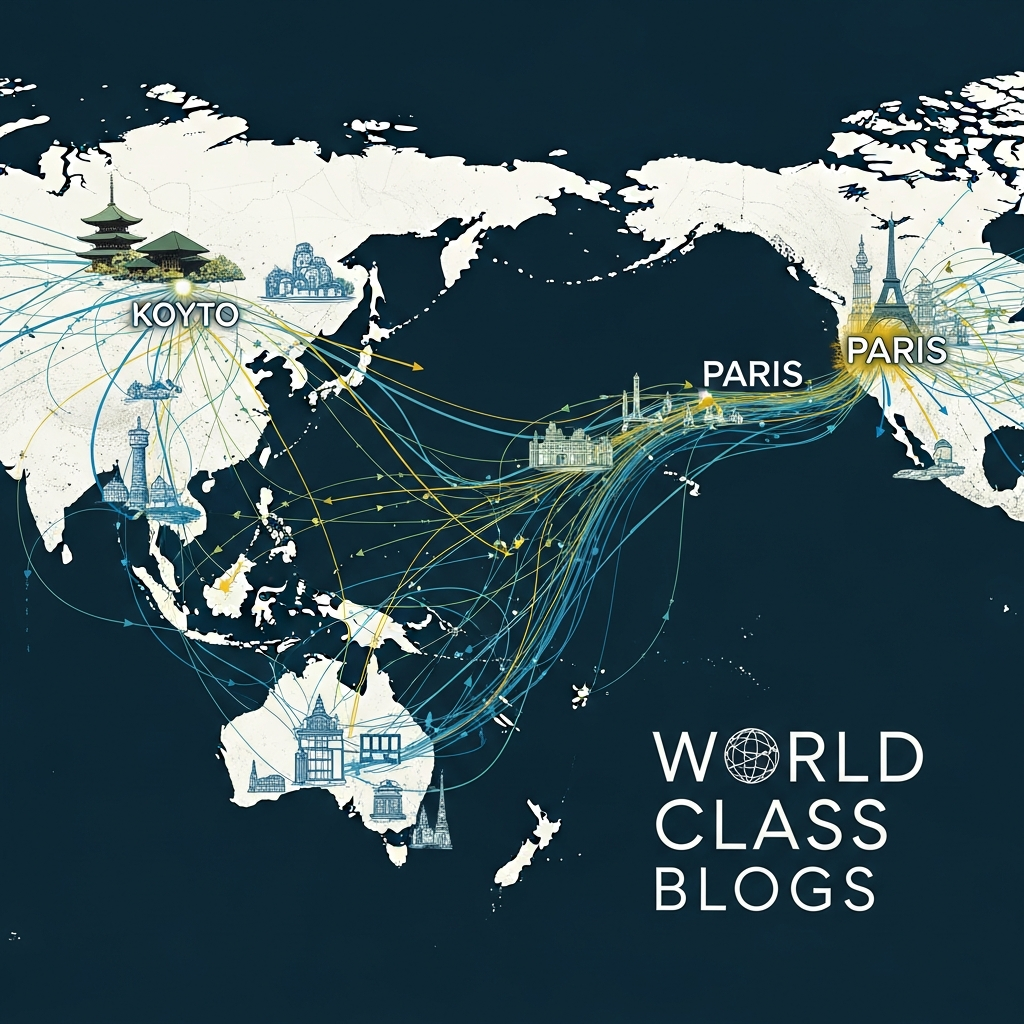
- UNFCCC Negotiation History Portal: Official documents from all climate conferences since 1995, allowing tracking of how positions and agreements have evolved.
- Climate Analytics Negotiation Briefings: Independent analysis of negotiation developments, particularly useful for understanding technical issues and country positions.
- Earth Negotiations Bulletin: Detailed reporting from each negotiating session published by the International Institute for Sustainable Development.
- Center for Climate and Energy Solutions Negotiation Resources: Analysis of key issues in climate negotiations with historical context and future outlook.
- Oxford Climate Negotiations Course Materials: Educational resources from university courses on climate diplomacy and negotiation.
- Climate Strategies Membership Insights: Research and analysis from a network of climate policy researchers across multiple countries.
- World Resources Institute Climate Negotiation Tracking: Regular updates on negotiation developments with visualizations of key issues and country positions.
For those interested in the intersection of policy and individual well-being, consider exploring this complete guide to psychological well-being in the modern world, which addresses how to maintain mental health while engaging with complex global challenges like climate change.
Discussion
The evolution of climate negotiations raises profound questions about global governance in the 21st century:
How should negotiation processes balance inclusivity with efficiency? The UN consensus model ensures all voices are heard, but can enable obstructionism. Alternative models—like “coalitions of the willing” moving faster on specific issues—raise questions about legitimacy and equity. Finding the right balance remains an ongoing challenge as climate urgency increases.
What constitutes fair differentiation in a changing world? The traditional developed-developing country dichotomy reflects 20th-century realities but fails to capture 21st-century complexities where some developing countries have become major emitters while others remain extremely vulnerable. Developing more nuanced differentiation criteria that reflect both historical responsibility and current capacities represents a key negotiation challenge.
How can negotiations better integrate scientific urgency with political feasibility? The IPCC’s increasingly urgent warnings contrast with the incremental pace of diplomatic progress. Some advocate for new mechanisms like climate emergency declarations or weighted voting on certain issues, while others caution that pushing too far too fast could fracture hard-won consensus. Bridging this science-policy gap represents perhaps the greatest challenge for future negotiations.
What role should non-state actors and subnational governments play in formal processes? Their growing influence raises questions about representation and accountability in intergovernmental forums. Some propose formal advisory roles or enhanced engagement mechanisms, while others emphasize preserving the primacy of national sovereignty. The appropriate institutional design for multi-level governance remains unsettled.
How can negotiations address fossil fuel production more directly? Current approaches focus primarily on reducing demand rather than limiting supply, despite evidence that production expansion continues. Some advocate for production phase-out agreements or non-proliferation treaties modeled on nuclear weapons agreements, while others emphasize demand-side approaches and carbon pricing. This represents a frontier issue for future negotiations.
These questions have no easy answers, but engaging with them is essential for developing more effective climate governance. The evolution from Kyoto to Paris suggests that successful frameworks will likely combine principle and pragmatism, ambition and inclusiveness, global direction and national flexibility. As climate impacts intensify, the stakes for getting this balance right continue to rise.