
The Human Rights-Based Approach to Development: A Blueprint for Equitable Progress

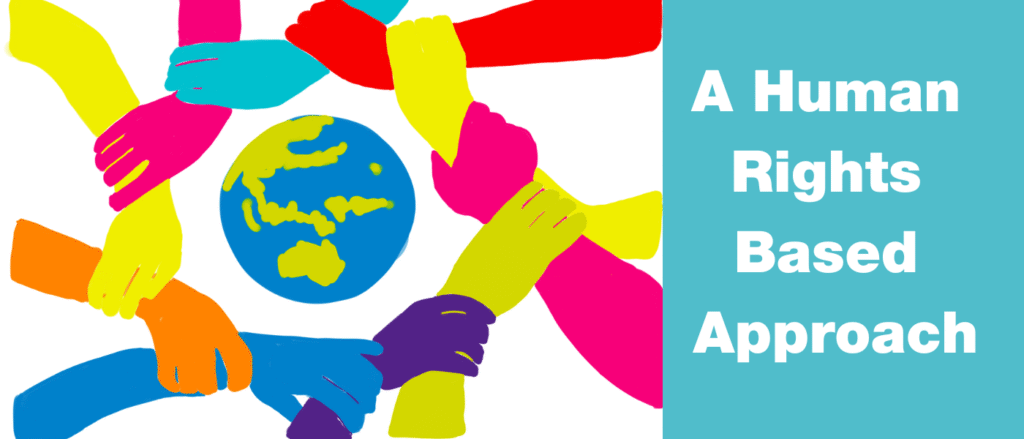
Participatory processes are at the heart of the Human Rights-Based Approach, ensuring communities are active agents in their own development.
Introduction: Why This Matters
For decades, the global development landscape has been dotted with well-intentioned projects that failed to deliver lasting change. A school built but left without teachers, a water pump installed but broken with no means of repair, an economic program that benefits only the local elite—these are symptoms of a top-down, needs-based system. What if there was a more effective, just, and sustainable way? Enter the Human Rights-Based Approach to Development (HRBA). This paradigm shift moves beyond treating people as passive recipients of aid and instead recognizes them as active rights-holders with legitimate claims. It frames development not as charity, but as an obligation. In an era of growing inequality and complex global challenges, understanding and implementing HRBA is not just an ethical imperative; it is the most practical blueprint for achieving genuine, lasting progress. This comprehensive guide will delve into why this approach is revolutionizing the field and how it is creating a more equitable world.
Background/Context
The evolution of development theory has been a journey from pure economic growth to a more holistic understanding of human well-being. Post-World War II, development was measured almost exclusively by GDP. However, by the 1970s and 80s, thinkers like Amartya Sen began advocating for a focus on “capabilities” and freedoms, arguing that development is about expanding what people can actually be and do.
This intellectual shift converged with the global human rights movement. The 1986 UN Declaration on the Right to Development formally established development as a human right. The 1990s saw major UN conferences (on women, social development, etc.) that increasingly linked these two fields. The true crystallization of HRBA, however, came in the 2000s when UN agencies adopted a “Common Understanding” on the approach, providing a unified framework for all development work. This marked a decisive move away from the traditional “charity” model towards a model of empowerment and legal entitlement, setting the stage for its integration into the landmark Sustainable Development Goals (SDGs).
Key Concepts Defined
To grasp HRBA, it’s essential to understand its core vocabulary:
- Rights-Holders: Individuals or groups who have entitlements to claim specific rights. In development, this is typically the community or population the project aims to serve. They have claims against the duty-bearers.
- Duty-Bearers: Primarily states and their governments, who have the primary obligation to respect, protect, and fulfill human rights. This can also extend to other actors, like international organizations and corporations, in certain contexts.
- Participation: Not merely consultation, but active, free, and meaningful involvement of rights-holders in every stage of the development process—from assessment and planning to implementation and monitoring.
- Empowerment: The process through which individuals and communities gain the control over their own lives and the ability to claim their rights. It’s both a goal and a method of HRBA.
- Accountability: The mechanisms that allow rights-holders to hold duty-bearers responsible for their actions or inactions. This includes legal systems, parliamentary oversight, media scrutiny, and social audits.
- Non-Discrimination and Equality: A foundational principle that requires prioritizing the most marginalized, disadvantaged, and excluded groups to ensure development benefits everyone.
How It Works (Step-by-Step)
Implementing an HRBA is a methodical process that integrates human rights principles into the project cycle.
- Situation Analysis through a Human Rights Lens: Instead of just identifying “needs,” analyze the situation in terms of unfulfilled rights. Who are the rights-holders? Who are the duty-bearers? What are the specific rights being violated (e.g., right to water, education, health)? Identify the root causes of these violations, including power imbalances and discriminatory laws.
- Identify and Engage Rights-Holders and Duty-Bearers: Map out all relevant actors. Actively facilitate the organization and empowerment of rights-holders so they can effectively participate. Simultaneously, engage duty-bearers to understand their capacities and constraints.
- Set Goals and Indicators Based on Rights: Define project goals as the progressive realization of specific human rights. Develop indicators that measure not just outputs (e.g., number of latrines built) but outcomes related to empowerment and accountability (e.g., percentage of community members who can name their right to water and the local official responsible for it).
- Program Implementation with a Focus on Capacity Development: Carry out the project by building the capacities of both rights-holders and duty-bearers. Train communities on their rights and how to advocate for them. Train government officials on their obligations and how to fulfill them.
- Monitor and Evaluate with Participatory Methods: Involve rights-holders in tracking progress. Use tools like community scorecards and public hearings. Evaluation should assess the project’s contribution to changing power dynamics and strengthening accountability mechanisms.
- Ensure Accountability and Provide Redress: The project should help establish or strengthen avenues for grievance redress. This ensures that if duty-bearers fail, rights-holders have a path to seek justice.
Why It’s Important
HRBA is critically important because it addresses the fundamental flaws of traditional development.
- Sustainability: When people understand a project as their right, they are more likely to maintain it and hold authorities accountable for its continuity. It builds lasting civic capacity.
- Empowerment over Dependency: It breaks the cycle of dependency fostered by aid. By empowering people to claim their rights, it fosters self-reliance and active citizenship.
- Addresses Root Causes: Instead of just treating symptoms (a lack of clean water), HRBA tackles the root causes (governance failure, discrimination, lack of budget allocation) that led to the problem in the first place.
- Leaves No One Behind: Its focus on non-discrimination and the most marginalized ensures that development gains are equitable and inclusive, directly aligning with the core promise of the SDGs.
For more on how innovative frameworks are shaping global progress, explore our analysis on technology and innovation.
Common Misconceptions
- Misconception 1: “HRBA is just about political rights and slows down development.”
- Reality: HRBA encompasses all rights—economic, social, cultural, civil, and political. While it may seem slower initially by involving more stakeholders, it prevents costly failures and ensures long-term sustainability, making it more efficient in the long run.
- Misconception 2: “It’s about blaming and shaming governments.”
- Reality: The primary goal is not blame but cooperation. HRBA focuses on building the capacity of duty-bearers to meet their obligations and creating constructive dialogue between them and rights-holders.
- Misconception 3: “It’s only for human rights organizations, not development agencies.”
- Reality: HRBA is a framework for all development work. Whether building infrastructure or improving healthcare, every project has implications for human rights and can be made more effective through this approach.
Recent Developments and Success Stories
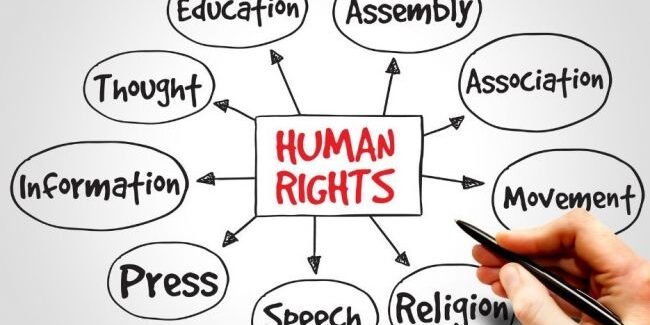
The integration of HRBA into the Sustainable Development Goals (SDGs) is the most significant recent development. The SDGs’ mantra of “leaving no one behind” is a direct reflection of human rights principles. Furthermore, the COVID-19 pandemic highlighted the critical importance of HRBA, as top-down responses often failed to protect the rights of the most vulnerable, while responses that engaged communities were more successful.
Success Story: Nepal’s Community Forestry Program
Nepal’s program, which transfers forest management authority to local communities, is a stellar example of HRBA in action. By recognizing communities as rights-holders over forest resources, the program led to dramatic forest regeneration, poverty reduction, and the empowerment of marginalized groups, including women and indigenous communities. It succeeded because it combined participation, accountability, and a clear legal framework.
Case Study: The Right to Food in India – The Mazdoor Kisan Shakti Sangathan (MKSS)
- Background: In the 1990s, in the state of Rajasthan, India, widespread corruption in public works and food distribution systems meant that resources intended for the poor were routinely siphoned off.
- The HRBA in Action: The grassroots organization MKSS began a campaign for the right to information. They demanded access to official documents (bills, vouchers, muster rolls) related to public works. They organized public hearings, known as Jan Sunwais, where these documents were read aloud before the entire village, exposing corruption.
- Lesson Learned: The campaign brilliantly linked the human right to food with the right to information and participation. It demonstrated that without transparency and accountability, the right to food could not be realized. The MKSS empowered illiterate and marginalized villagers to become effective monitors of their government.
- Outcome: This grassroots movement snowballed into a national campaign, leading to the passage of India’s landmark Right to Information Act in 2005. It showed how a localized, rights-based struggle could catalyze national-level legal and policy reform, securing development gains for millions.
Real Life Examples
- Education: A project doesn’t just build a school (needs-based). It works with parents to understand their children’s right to education, trains them to monitor teacher attendance, and advocates with the local government to allocate the necessary budget for qualified teachers and learning materials (HRBA).
- Maternal Health: A program doesn’t just provide antenatal check-ups. It educates women on their right to health, addresses discriminatory practices that prevent them from accessing clinics, and works to hold health providers accountable for the quality of care.
- Business and Human Rights: As detailed in this guide to optimizing worldwide business operations, companies are increasingly held accountable for human rights in their supply chains, a corporate application of HRBA principles.
Conclusion & Key Takeaways
The Human Rights-Based Approach is more than just jargon; it is a fundamental reorientation of development practice towards justice and empowerment. It ensures that development is not something that is done for people, but with and by them.
Key Takeaways:
- Shift from Charity to Entitlement: HRBA frames development as a matter of rights and obligations, not benevolence.
- Empowerment is Central: The ultimate goal is to empower people to control their own destinies and claim their rights from their governments.
- It’s a Practical Tool for Sustainability: By addressing root causes and building accountability, HRBA creates development outcomes that last.
- Participation is Non-Negotiable: Meaningful involvement of rights-holders at all stages is a core principle, not an optional add-on.
- It’s for Everyone: From international NGOs to local community groups, any actor in the development sphere can and should adopt this approach for more effective and ethical work.
We invite you to join the conversation on these critical issues in our Global Affairs and Policy section.
FAQ’s
- What is the main difference between a needs-based and a rights-based approach?
- A needs-based approach sees people as passive objects of development with needs to be met. A rights-based approach sees them as active subjects with legal entitlements to claim.
- Does HRBA only apply in democratic countries?
- While easier to implement in open societies, HRBA principles like participation and accountability are universal. The strategies may differ in challenging political contexts, but the goal of empowering people remains.
- Is HRBA anti-economic growth?
- Absolutely not. It seeks equitable and sustainable growth. It argues that growth without rights protection is often unstable and unequal.
- How can a small nonprofit with limited resources implement HRBA?
- Start by integrating the principles into project design. Use participatory methods for assessments, include rights-awareness sessions in activities, and build partnerships with local rights organizations.
- What is the role of international organizations in HRBA?
- They have a duty to support states (duty-bearers) in building their capacity and to empower local civil society (rights-holders), while ensuring their own programs are rights-compliant.
- Can HRBA be applied to environmental conservation projects?
- Yes, through the lens of environmental rights. This involves ensuring communities have a say in projects affecting their environment and can hold polluters accountable.
- How does HRBA relate to the Sustainable Development Goals (SDGs)?
- The SDGs are deeply infused with human rights principles. HRBA provides the operational methodology to achieve the SDGs in a way that is equitable, participatory, and accountable.
- What are the biggest challenges in implementing HRBA?
- Resistance from governments, the complexity of changing institutional cultures within aid agencies, and the difficulty of measuring empowerment and changes in power dynamics.
- Does HRBA ignore cultural relativism?
- HRBA is based on universal standards, but it emphasizes participatory and context-specific strategies for realizing those rights, respecting cultural practices that are not discriminatory.
- How does technology support HRBA?
- Technology, a topic we explore in our Technology & Innovation section, can be a powerful tool for HRBA. Mobile platforms can facilitate citizen reporting, social media can amplify marginalized voices, and open data can enhance government transparency.
- What is the “progressive realization” of rights?
- It recognizes that some rights cannot be fulfilled overnight. It requires states to demonstrate continuous, deliberate, and concrete steps towards the full realization of rights, using their maximum available resources.
- Can corporations be duty-bearers?
- While states are the primary duty-bearers under international law, the UN Guiding Principles on Business and Human Rights establish that corporations have a responsibility to respect human rights throughout their operations.
- How is success measured in an HRBA project?
- Success is measured by changes in the capacity of rights-holders and duty-bearers, the functionality of accountability mechanisms, and the reduction of rights violations, alongside traditional development indicators.
- Where can I learn more about the legal foundations of HRBA?
- The UN Office of the High Commissioner for Human Rights (OHCHR) website is the definitive source for the international legal framework and practical guidance.
- How can I get involved in promoting human rights in development?
- You can support organizations working in this field, educate yourself and others, and advocate for your government’s aid programs to adopt a strict HRBA. For more insights, visit our Nonprofit Hub.