
The Art of De-escalation: How Humanitarian Ceasefires and Local Truces Prevent Conflict Escalation
Discover how humanitarian ceasefires & local truces are negotiated to save lives, deliver aid & prevent escalation in modern wars. Learn the step-by-step process, key challenges & real-world examples. humanitarian ceasefire, local truce, conflict de-escalation, humanitarian pause, ceasefire negotiation, International Humanitarian Law, ICRC, UN mediation, humanitarian access, civilian protection, days of tranquility.
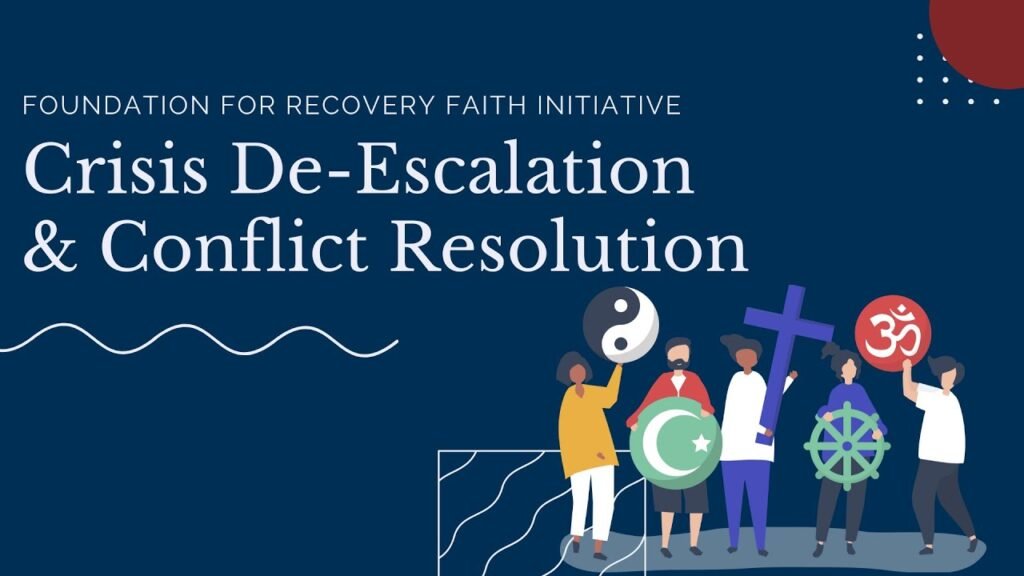
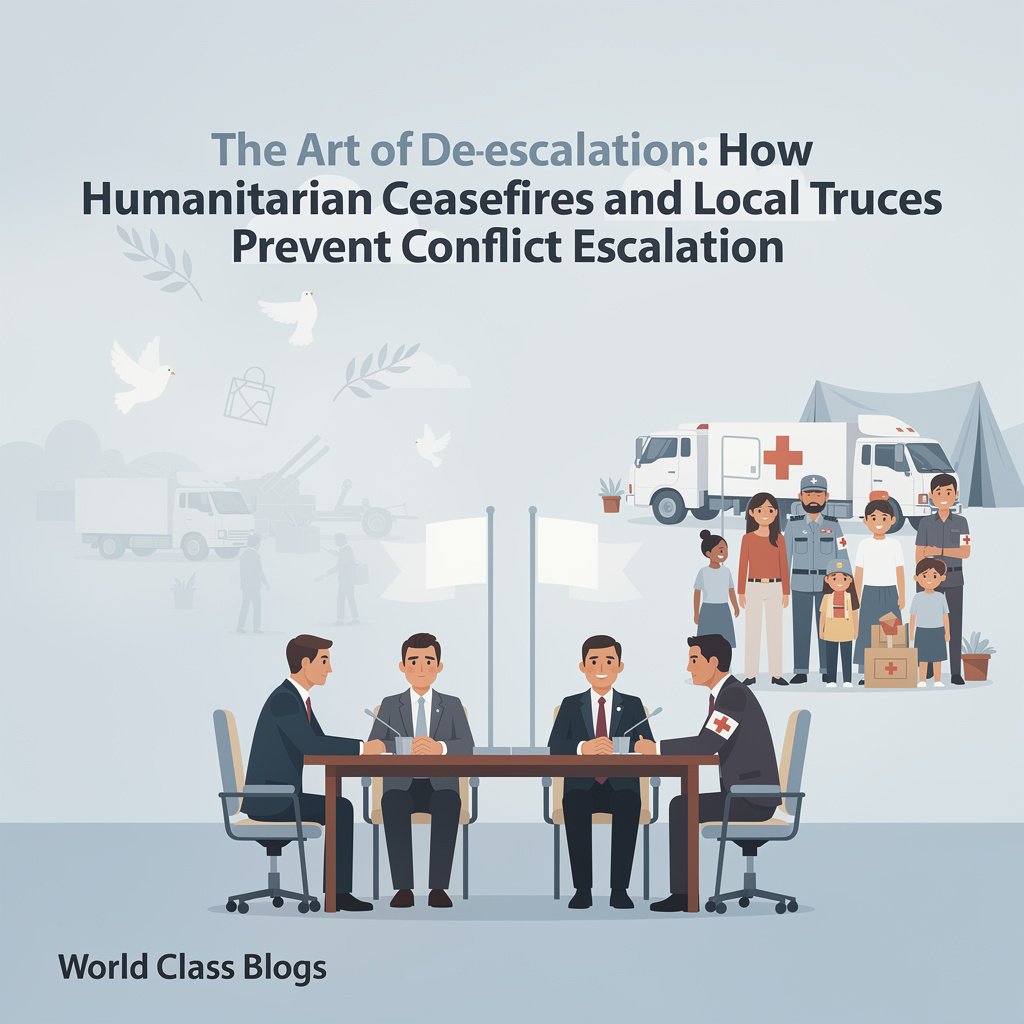
A detailed look at the technical components of a humanitarian corridor—the most common feature of ceasefire agreements—showing how security and access are orchestrated.
In the world’s most volatile conflict zones, humanitarian ceasefires and localized truces serve as critical, lifesaving pauses—not to end wars, but to prevent their catastrophic escalation, deliver essential aid, and create fragile openings for broader dialogue that official diplomacy often cannot.
When full-scale war erupts, the immediate diplomatic focus is often on achieving a comprehensive peace. Yet, history shows that the most realistic and urgent goal in active conflicts is frequently more modest: securing a temporary halt in fighting. These pauses—whether called humanitarian ceasefires, local truces, or days of tranquility—are specialized instruments of conflict management. They are not peace treaties, but they are vital acts of conflict de-escalation. Their purpose is triple: to save civilian lives by allowing humanitarian access, to reduce the immediate human suffering that fuels long-term hatred and cycles of violence, and to test the waters for more stable negotiations by building minimal, practical cooperation between warring parties. In an era where urban warfare and sieges are increasingly common, trapping millions, the ability to broker these temporary respites has become a fundamental skill in modern conflict diplomacy. As of 2024, the UN estimates that over 75% of conflict-related civilian deaths occur in urban areas, where the need for localized, precise ceasefires is most acute. This guide explores the intricate craft of negotiating and implementing these critical pauses in violence.
Introduction – The Critical Pause in a World of Perpetual Conflict
In the brutal calculus of modern warfare, the concept of a temporary ceasefire can seem naive. Why would warring parties stop fighting, even briefly, if they believe military advantage is within reach? The reality is more complex. De-escalation is a strategic tool, not a sign of weakness. Parties may agree to a pause to regroup forces, resupply, respond to overwhelming international pressure, or address a humanitarian catastrophe that is turning global opinion against them. For the international community and besieged populations, these pauses are nothing short of lifelines.
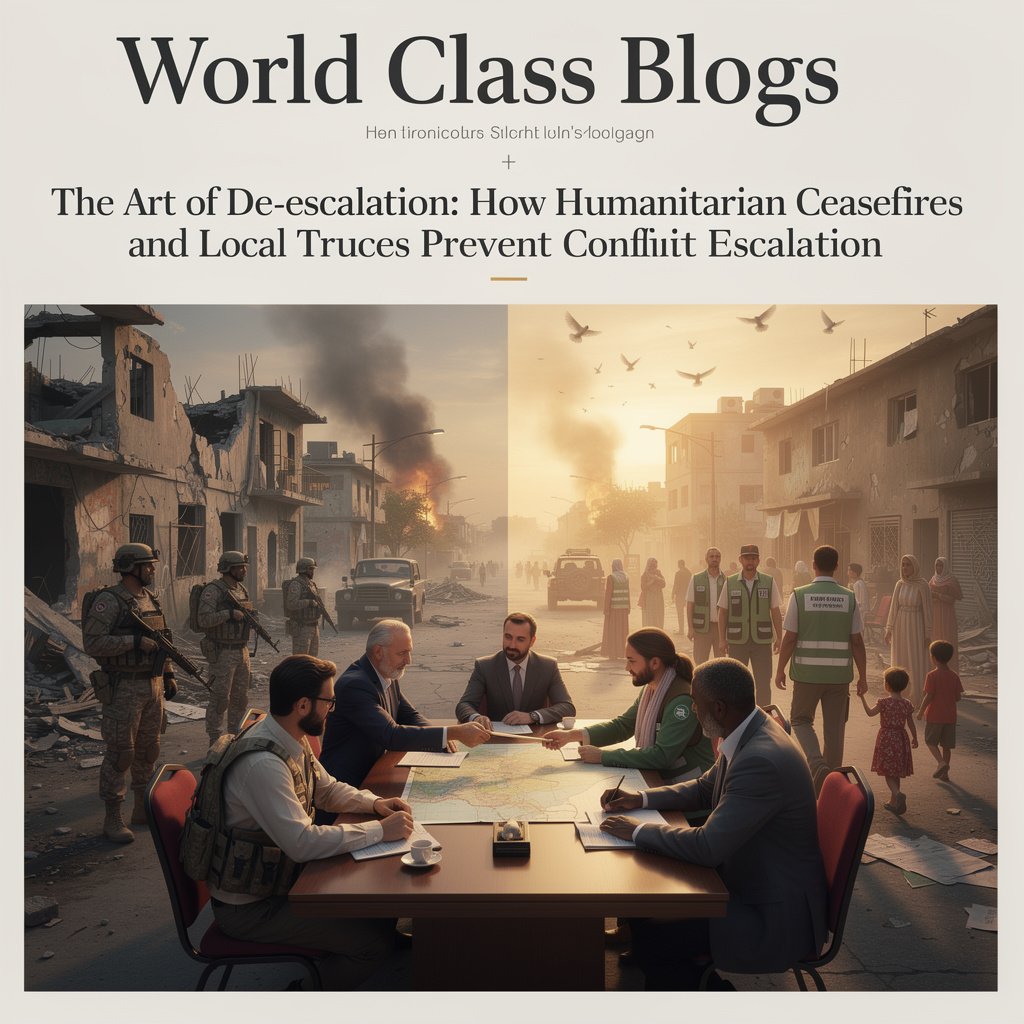
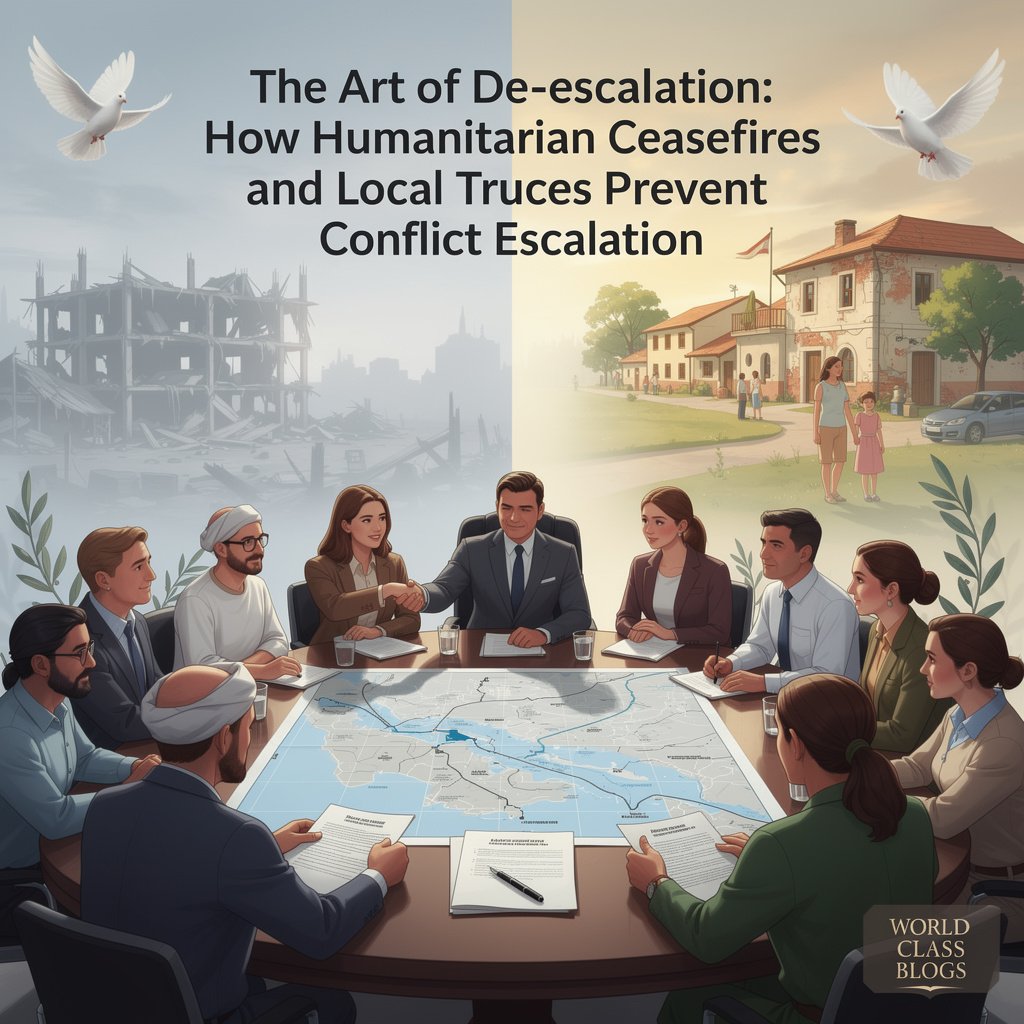
What I’ve observed in conflicts from Syria to Yemen to Sudan is that the negotiation of a local ceasefire is often the most tangible form of diplomacy happening in real-time. While grand peace conferences are organized in distant capitals, it is the on-the-ground mediation by UN officials, Red Cross delegates, and sometimes even local elders that determines whether food reaches a starving neighborhood or a wounded child can be evacuated. These negotiations are gritty, technical, and conducted under extreme pressure. They focus not on lofty principles of peace but on concrete details: the precise coordinates of a demilitarized corridor, the serial numbers of aid trucks permitted to pass, the agreed-upon uniforms for civilian evacuation volunteers.
The importance of this work cannot be overstated. A successfully implemented humanitarian pause does more than deliver supplies. It breaks the psychological momentum of total war. It creates, however briefly, a shared reality where cooperation is possible. It allows civilians—who are the ultimate targets of 21st-century “siege and starve” tactics—a moment to breathe, bury their dead, and remember that a world without constant shelling exists. In doing so, it preserves the possibility of a future peace, even when that future seems impossibly distant.
Background / Context: From Ancient Truces to Modern Humanitarian Law
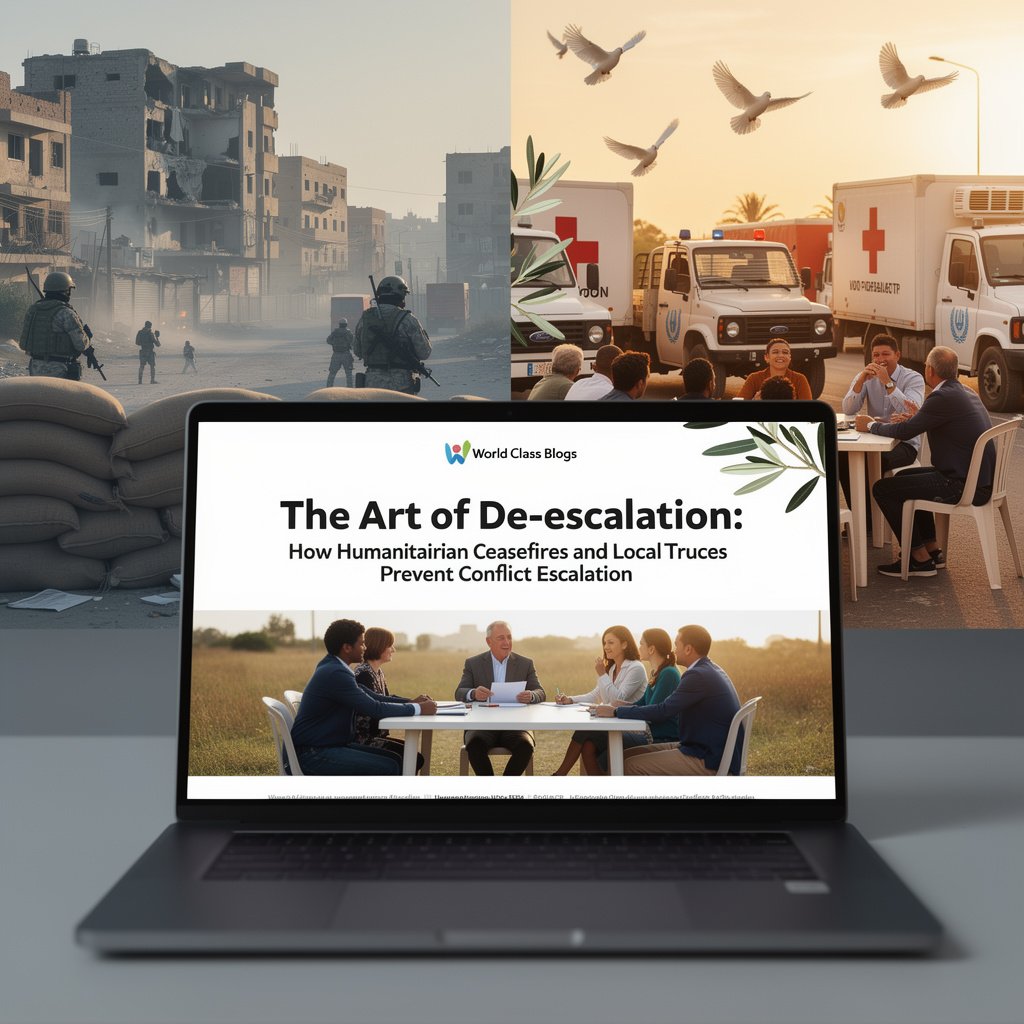
The idea of a temporary halt in fighting is ancient. History is replete with examples of “truces for burying the dead” or pauses during religious festivals. The modern legal and diplomatic framework, however, stems from the aftermath of World War II and the codification of International Humanitarian Law (IHL), particularly the 1949 Geneva Conventions and their Additional Protocols.
IHL does not explicitly mandate humanitarian ceasefires. However, it establishes fundamental obligations that create the imperative for them:
- The obligation to allow and facilitate rapid and unimpeded passage of humanitarian relief for civilians in need (Protocol I, Article 70).
- The obligation to protect humanitarian personnel.
- The principle of distinction between combatants and civilians, and the prohibition of starvation as a method of warfare.
When parties to a conflict blatantly violate these rules by besieging cities and blocking aid, the diplomatic toolkit offers few coercive options. Military intervention is risky and politically fraught. Sanctions are slow. Thus, the negotiated humanitarian pause emerges as a primary, pragmatic tool to operationalize these legal obligations in real-time.
The UN Security Council has at times mandated ceasefires. Resolution 2532 (2020), for example, called for a “global ceasefire” to facilitate the COVID-19 response—an appeal honored more in the breach than the observance, but which highlighted the concept’s recognition at the highest level. More often, ceasefires are brokered not by fiat but through painstaking, localized mediation. The “de-confliction” mechanisms established in Syria, whereby the UN provided coordinates of hospitals and aid routes to Russian and U.S.-led coalitions to avoid strikes, represent a highly technical, continuous form of micro-ceasefire arrangement.
Key Concepts Defined
- Humanitarian Ceasefire/Pause: A temporary, agreed suspension of hostilities for strictly humanitarian purposes. It is usually limited in duration (e.g., 48 hours, 7 days) and geographic scope (a city, a neighborhood, a road). Its sole objective is to enable the delivery of aid, the evacuation of wounded and sick, or the repair of critical civilian infrastructure like water plants.
- Local Truce/Cessation of Hostilities: A similar temporary halt in fighting, but it may have broader political or military undertones. While it may allow humanitarian activities, it can also be used by parties for tactical regrouping, to test an opponent’s seriousness, or as a confidence-building step toward a more formal ceasefire. The term is often used in peace process parlance (e.g., “a nationwide cessation of hostilities”).
- De-escalation: The process of reducing the intensity or scale of a conflict. A humanitarian ceasefire is a deliberate act of de-escalation. De-escalation can also involve pulling back heavy weaponry, establishing demilitarized zones, or opening hotlines between military commands to prevent miscalculation.
- Humanitarian Corridor: A specific route and set of times agreed upon by conflict parties to allow the safe passage of humanitarian goods and civilians. It is a common feature of ceasefire agreements. Its effectiveness depends on detailed guarantees of safety from all armed actors along the route.
- Confidence-Building Measure (CBM): An action taken to reduce fear, increase trust, and create predictability between adversaries. A successfully implemented ceasefire, even a short one, can serve as a powerful CBM, demonstrating that agreements are possible and can be adhered to.
- “Christmas Truce” Phenomenon: Refers to the famous, spontaneous ceasefire along parts of the Western Front in World War I in 1914. It underscores that even in the most brutal conflicts, the human impulse for a pause can emerge organically from frontline troops, often to the chagrin of high command. Modern negotiators sometimes try to harness similar cultural or religious moments (Eid, Christmas, harvest time) to propose pauses.
How It Works: The Step-by-Step Anatomy of Brokering a Pause
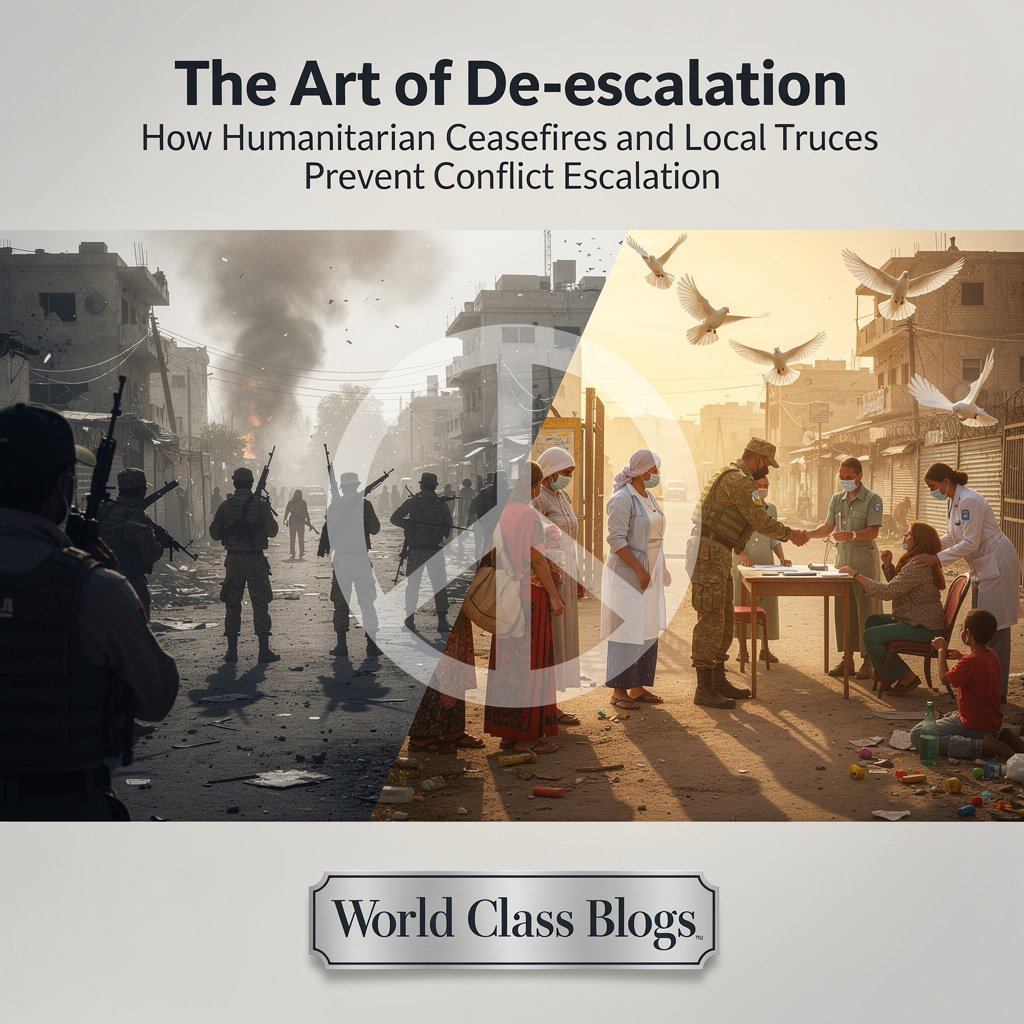
Negotiating a humanitarian ceasefire is a high-stakes, technical process that blends diplomacy, military logistics, and humanitarian operational planning.
Step 1: Identification of Opportunity and Catalyst
The process begins with a clear, urgent humanitarian trigger: a hospital is under siege, a aid warehouse is empty, a city faces starvation. Humanitarian agencies on the ground document the crisis and sound the alarm. Simultaneously, a political or military calculation must align. A party may be facing unbearable international pressure, may need a tactical pause, or may see a propaganda advantage in appearing “humanitarian.” A trusted mediator—often a UN Special Envoy, the International Committee of the Red Cross (ICRC), or a regional power—assesses if there is a sliver of overlapping interest between the warring sides to pause.
Step 2: Secret Pre-Negotiation and “Testing the Waters”
The mediator establishes discreet contact with decision-makers on both sides, often through backchannels or secure communications. This phase involves probing questions: “Would you consider a 48-hour pause to allow vaccination in district X?” “What would you need to feel secure during such a pause?” The goal is to identify the minimum conditions for agreement without making formal, rejectable proposals that could harden positions.
Step 3: Formalizing Terms and “The Devil in the Details”
If the parties are receptive, negotiations move to specific terms. This is where failure is common. Every detail is contested:
- Duration: Hours, days, or renewable?
- Geographic Scope: A precise map with agreed coordinates.
- Permitted Activities: Only medical evacuations? Food distribution? Can civilians move freely?
- Monitoring and Verification: Who will observe? Joint committees? UN observers? How are violations reported?
- Communication Protocols: How will the ceasefire order be communicated down the chain of command to every frontline unit? This is often the weakest link.
The agreement is often codified in a written, though non-binding, document signed by military commanders or political authorities.
Step 4: Implementation and the Critical First Hours
The agreed start time arrives. This is the moment of maximum tension and risk. Aid convoys, pre-positioned, begin to move. Civil society networks and local councils, often the unsung heroes, mobilize to distribute information to terrified communities. The mediator and monitoring teams watch for any violation—a single sniper shot or mortar round can unravel the entire deal. Rapid communication channels between military commands are essential to address incidents before they spiral.
Step 5: Consolidation or Breakdown
If the pause holds, humanitarian workers race against the clock to achieve maximum impact. The mediator works to extend or renew the agreement. Sometimes, a successful short pause builds enough confidence to expand its duration or scope. More often, the underlying military logic reasserts itself, and fighting resumes when the clock runs out. Even then, if aid was delivered and lives saved, the operation is considered a partial success.
Why It’s Important: The Strategic Logic of a Temporary Halt
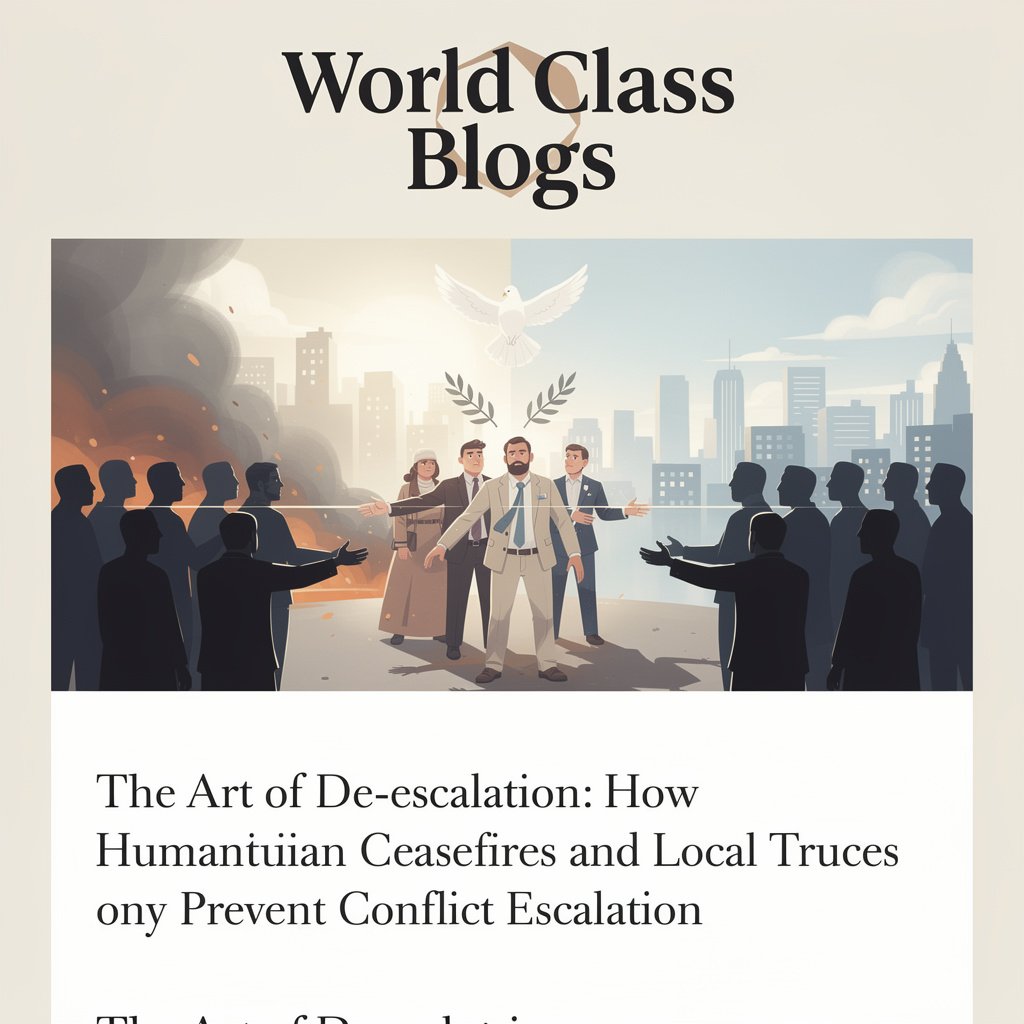
The value of humanitarian ceasefires extends far beyond the immediate delivery of sacks of flour.
- Saving Lives and Upholding International Law: This is the core, moral imperative. In the Yemen conflict, a UN-brokered truce in 2022—though fragile—led to a 60% reduction in civilian casualties during its duration and allowed fuel ships to enter Hodeidah port, averting a nationwide famine. It operationalizes the abstract principles of IHL.
- Preventing Conflict Entrenchment and Escalation: Protracted sieges create irreversible facts on the ground: mass displacement, radicalization of populations, and the total destruction of a city’s social and economic fabric. A pause can interrupt this destructive process. It can prevent a localized conflict from drawing in regional patrons or escalating to the use of worse weapons.
- Building Minimal Trust for Larger Processes: As one senior UN mediator told me, “You can’t get parties to talk about constitutionally when they are still shooting at each other’s aid convoys.” A successfully implemented ceasefire on a specific route proves that the other side can keep its word, if only for a defined, limited purpose. This is a foundational brick for any future political dialogue.
- Gathering Intelligence and Re-establishing Facts: For mediators, a ceasefire allows personnel to access areas previously cut off. They can assess the true humanitarian situation, identify key power brokers, and understand the evolving dynamics on the ground. This intelligence is invaluable for designing more realistic peace strategies.
- Creating Political Space and Changing Narratives: A pause can shift domestic and international political calculus. It gives space for war-weary populations to voice their desire for peace. It can alter media coverage from images of destruction to images of aid delivery, putting pressure on parties to justify a return to fighting.
Sustainability and the Future: From Ad Hoc Pauses to Systematic De-escalation
Currently, humanitarian ceasefires are largely ad hoc, crisis-driven interventions. For them to become more effective tools of conflict prevention, the field must evolve.
- Systematic Early Warning and Triggers: Linking real-time humanitarian data (food insecurity, hospital attacks) to pre-agreed diplomatic response protocols. If “X” metric is reached in “Y” location, it automatically triggers a mandated mediation effort for a pause, rather than waiting for a catastrophe.
- Leveraging New Technology for Monitoring: The use of satellite imagery, drone monitoring, and digital ceasefire violation reporting apps can increase accountability. The UN’s Ceasefire Surveillance Mechanism in South Sudan uses geospatial technology to monitor troop movements, a model that could be adapted for shorter-term humanitarian pauses.
- Pre-Negotiated “Humanitarian Templates”: In chronically volatile regions, could parties pre-approve standard operating procedures for humanitarian access during fighting? While idealistic, the “de-confliction” systems in Syria show that technical arrangements can sometimes operate even in the absence of political agreement.
- Addressing the “Spoiler” Problem: The biggest threat to any ceasefire is often not the main warring parties, but splinter groups, militias, or foreign fighters with different incentives. Future mechanisms need better strategies for either bringing these spoilers into the agreement or isolating them. This may involve more granular, sub-local negotiations.
- Linking to Broader Political Processes More Effectively: Mediators must have a clear strategy for what comes after a successful pause. Is the goal simply another pause, or to use the momentum to initiate political talks? The 2022 Black Sea Grain Initiative, which established a safe corridor for Ukrainian grain, brilliantly linked a humanitarian-economic pause to broader geopolitical and UN diplomacy.
Common Misconceptions
- Misconception: A Ceasefire Means the War is Ending.
Reality: A humanitarian ceasefire is a tactical pause, not a political solution. Parties often agree to them precisely to continue the war more effectively later—by resupplying or improving positions. It is a management of violence, not its termination. - Misconception: If Both Sides Agree, Implementation is Easy.
Reality: The principal-agent problem is severe. A general in the capital may order a ceasefire, but a militia commander in a distant town may not comply, due to poor communications, local grievances, or a desire to loot. Ensuring command and control down to the last fighter is the paramount challenge. - Misconception: Violations Mean the Ceasefire Has “Failed.”
Reality: In complex conflicts, minor violations are almost guaranteed. The key is the response mechanism. A swift apology, an investigation, and compensation can contain a violation and save the agreement. The ceasefire’s resilience is tested by how parties manage breaches. - Misconception: The UN or ICRC Can “Enforce” a Ceasefire.
Reality: These organizations have no enforcement power. Their tools are persuasion, confidentiality, and their reputation as neutral intermediaries. Their leverage comes from the parties’ desire to avoid being blamed for humanitarian suffering or losing future mediation support. - Misconception: Ceasefires Always Benefit Civilians.
Reality: Poorly designed ceasefires can have perverse effects. They can allow combatants to redeploy forces for a more devastating attack later. They can create “safe” corridors that are then targeted. A pause can also allow parties to politically consolidate control over areas, undermining long-term peace.
Recent Developments (2023-2025)
- Sudan: The Collapse of Ceasefire Diplomacy: The brutal war between the Sudanese Armed Forces and the Rapid Support Forces that began in 2023 has been a case study in ceasefire failure. Dozens of announced humanitarian truces, brokered by the U.S. and Saudi Arabia in Jeddah, were violated within hours, often by the very parties that signed them. This highlights the limits of diplomacy when command structures are fragmented and warring elites see total military victory as possible.
- Gaza: The Quest for a “Humanitarian Pause”: Following the escalation of conflict in October 2023, intense international diplomacy, led by Qatar, Egypt, and the U.S., focused on securing a “humanitarian pause” to release hostages and allow aid into Gaza. The negotiations were excruciatingly detailed, covering the lists of names of hostages and prisoners to be exchanged, the exact quantity of aid trucks per day, and the geographic zones of pause. Its implementation and breakdown showcased the extreme complexity of brokering even a short-term deal in a high-intensity, asymmetrical conflict with deeply held grievances.
- Myanmar: Localized “Township Ceasefires”: In the chaotic civil war following the 2021 coup, nationwide ceasefires are impossible. Instead, local Community-Based Organizations (CBOs) and ethnic resistance groups have negotiated hyper-local truces in specific townships to allow for the vaccination of children or the harvest of crops. This “patchwork quilt” of local arrangements represents a grassroots, bottom-up approach to de-escalation where top-down diplomacy has failed.
- The Drone Warfare Challenge: The proliferation of cheap drones has made monitoring and enforcing ceasefires harder. A single drone operator, acting independently, can violate an airspace agreement. Future ceasefire agreements will need specific protocols for drone use and no-fly zones.
Success Stories
- The “Days of Tranquility” for Polio Vaccination: One of the most successful global uses of humanitarian pauses. Since the 1980s, the UN has negotiated short ceasefires in conflicts from El Salvador to Syria to Afghanistan to allow health workers to vaccinate children against polio. These are often highly effective because they are apolitical, time-bound, and focused on a universally supported goal (child health). They demonstrate that even the most bitter enemies can cooperate on specific, non-threatening issues.
- The Siege of Homs (Syria) “Humanitarian Evacuation”: In 2014, after a years-long siege that starved the Old City of Homs, the UN and ICRC brokered a rare deal. It allowed for the evacuation of hundreds of trapped civilians and the delivery of aid to those who remained. While a tragic episode in a larger war, the negotiation was a technical masterpiece in coordinating between the Syrian government, opposition groups, and multiple foreign powers to achieve a precise humanitarian objective.
- The Ukrainian “Grain Corridor” (Black Sea Initiative): While not a classic ceasefire, the 2022 agreement brokered by Türkiye and the UN to allow the export of Ukrainian grain from blockaded ports was a monumental achievement in “humanitarian de-escalation.” It established a secure maritime corridor, a Joint Coordination Centre in Istanbul to monitor shipments, and guaranteed safe passage for commercial vessels. It averted a global food crisis and showed that even in a hot war between a major power and a neighbor, detailed, mutually beneficial arrangements are possible. Its eventual collapse also illustrated their fragility.
Real-Life Examples
- The 2022 Yemen UN Truce: For six months, a UN-brokered nationwide truce substantially reduced violence. It enabled commercial flights from Sana’a airport for the first time in years and increased fuel shipments to Hudaydah port. While it eventually lapsed, it demonstrated that a more comprehensive pause could hold when it addressed core economic grievances (e.g., revenue sharing, salary payments) alongside humanitarian access. Its relative success was due to clear, verifiable measures and sustained regional diplomacy.
- Local “Firewall Ceasefires” in Eastern Ukraine (2014-2021): During the frozen conflict phase, the OSCE Special Monitoring Mission facilitated countless local truces along the “contact line.” These were often negotiated directly between Ukrainian and Russian-backed separatist commanders to repair critical infrastructure like water filtration plants that served both sides, or to allow farmers to harvest fields in the no-man’s-land. This was tactical de-escalation par excellence—solving practical shared problems without resolving the political conflict.
- The “Christmas Ceasefire” in the Philippines (2024): A recurring example: the Communist Party of the Philippines (CPP) and the Philippine government have, for decades, declared reciprocal, short Christmas truces. While often violated, the tradition persists. It allows combatants a symbolic respite, families to reunite, and showcases the persistent, if faint, desire for normalcy even in long-running insurgencies. It is a modern echo of the 1914 “Christmas Truce.”
Conclusion and Key Takeaways
Humanitarian ceasefires and local truces are the essential, pragmatic tools of diplomacy in an age of enduring conflict. They represent a recognition that while ending wars may be the ultimate goal, managing and mitigating their worst effects is an immediate, moral, and strategic necessity.
Key Takeaways:
- De-escalation is a Skill, Not a Surrender: Successfully negotiating a pause requires deep understanding of military logistics, local politics, and humanitarian need. It is a specialized form of statecraft that saves lives and creates diplomatic options.
- The Devil is in the (Technical) Details: The difference between a successful pause and a deadly trap lies in the precision of the agreement: maps, timelines, communication protocols, and verification mechanisms. Ambiguity is the enemy.
- They are Fragile by Design: These are temporary measures in service of a conflict’s logic, not its resolution. Their breakdown is common and should be planned for. The goal is to maximize humanitarian gain within the narrow window they provide.
- Local Actors are Indispensable: While international mediators broker deals, their implementation depends entirely on local humanitarian workers, community leaders, and even low-level commanders who choose to hold their fire. Building their capacity and protecting them is critical.
- A Pause Can Be a Pathway or a Mirage: A ceasefire can create momentum for peace or provide dangerous illusion. Mediators must have a clear-eyed strategy for leveraging the pause toward political dialogue, while recognizing that parties may be acting in bad faith.
In the grim arithmetic of modern war, the humanitarian ceasefire is a minus sign—a subtraction of violence, however temporary. While we must never stop working for the plus of lasting peace, mastering the art of creating these minus signs is one of the most urgent and practical imperatives of our time. For more on the broader systems and partnerships that enable such complex coordination, explore our resources on global supply chain management and nonprofit collaboration.
Frequently Asked Questions (FAQs)
Q1: Who typically brokers a humanitarian ceasefire?
It depends on the conflict. Often, it’s a neutral international actor with access and credibility: the United Nations (through a Special Envoy or Humanitarian Coordinator), the International Committee of the Red Cross (ICRC), or a regional organization (like the African Union or ASEAN). Sometimes, a powerful third-state with influence over the parties, like the United States, Qatar, or Norway, takes the lead.
Q2: Are humanitarian ceasefires legally binding?
Generally, no. They are usually political or military agreements, not formal treaties under international law. However, they are based on the binding legal obligations of International Humanitarian Law (IHL), which requires parties to allow humanitarian access. The ceasefire is the practical mechanism to fulfill that pre-existing legal duty.
Q3: What happens if one side violates the ceasefire?
The response dictates the outcome. The mediator will urgently contact the violating party to clarify and demand compliance. The other party may retaliate, causing total collapse. Often, there is a “forbearance period“—a grace window where the other side holds fire to see if the mediator can restore order. Robust monitoring and real-time communication channels are essential to manage violations.
Q4: Why do armed groups sometimes agree to ceasefires?
Their motivations are varied: to gain international legitimacy, to respond to pressure from their own civilian support base, to secure a tactical respite, to access resources for their population (winning “hearts and minds”), or because a foreign patron ordering them to agree.
Q5: How are civilians protected during a ceasefire?
Protection is never guaranteed. The best practice is for the agreement to specify protected persons and objects (e.g., “all civilians,” “humanitarian workers in marked vehicles,” “the main hospital”). Civilians should receive clear, pre-agreed instructions on safe routes and times. The presence of neutral international observers can have a deterrent effect.
Q6: What’s the difference between a ceasefire and a “humanitarian pause”?
The terms are often used interchangeably. Some practitioners use “humanitarian pause” to emphasize a very short, specific halt for a single operation (e.g., 6 hours to evacuate a hospital). “Ceasefire” might imply a slightly longer or broader suspension. “Cessation of hostilities” often has a more political connotation, signaling a step in a peace process.
Q7: Can a local ceasefire actually make things worse?
Yes, in certain ways. It can allow combatants to entrench positions for future fighting. It can create “safe zones” that become overcrowded and then targeted. It can also legitimize non-state armed groups by treating them as equal negotiating partners, which the state may oppose. Every agreement requires a conflict-sensitivity analysis.
Q8: How do you get the message to every soldier on the front line?
This is the supreme challenge. It requires redundant communication systems: formal orders down the military chain of command, radio broadcasts, SMS alerts to unit commanders, dissemination through community networks, and even leaflet drops. The ICRC often acts as a neutral messenger, physically traveling to front lines to convey the agreement to all sides.
Q9: What role does the media play?
A double-edged sword. Media coverage of a humanitarian crisis can create the public pressure necessary to force parties to the table. However, real-time reporting on ceasefire movements can jeopardize security by revealing locations. Agreed “media blackout” periods on operational details are sometimes part of the deal.
Q10: Are there “model” ceasefire agreements to use as templates?
While each context is unique, organizations like the Centre for Humanitarian Dialogue and the UN Mediation Support Unit have developed guidelines and annotated examples. These templates cover standard clauses: definitions, scope, duties of the parties, monitoring, entry into force, and dispute resolution.
Q11: How are drones and new technologies changing ceasefire monitoring?
They are revolutionizing it. Satellite imagery can track troop movements before and after. Acoustic sensors can pinpoint the origin of gunfire or shelling. Drone footage can provide real-time evidence of violations or compliance. However, the use of drones themselves must be regulated in the agreement, as they can be weapons or surveillance tools.
Q12: What is a “de-confliction mechanism”?
It’s a continuous, ongoing system for preventing clashes, rather than a one-off pause. Parties share the coordinates of sensitive locations (hospitals, aid warehouses, civilian shelters) and military movements with a neutral hub (often the UN). This hub alerts all sides to avoid strikes in those areas. It’s a form of permanent, micro-ceasefire.
Q13: How long can a humanitarian ceasefire last?
They range from a few hours to several weeks. The record for a sustained humanitarian truce is often held by the “Days of Tranquility” for vaccination, which might recur annually. In active hot wars, anything beyond 7-10 days is rare, as military dynamics shift.
Q14: Who monitors compliance?
Possible monitors include: UN Military Observers, staff from the mediating organization, joint committees comprising officers from both sides, local civil society groups reporting violations, or, increasingly, technical means like satellites.
Q15: Can economic incentives be part of a ceasefire deal?
Absolutely. To make a pause sustainable, parties often need tangible benefits. The Yemen truce included allowing fuel imports and commercial flights. The Black Sea Grain Initiative was fundamentally economic. Linking humanitarian access to economic relief (e.g., allowing civil servant salaries to be paid) can be a powerful incentive.
Q16: What happens when a ceasefire ends?
There is usually a defined end time. Parties will often reposition forces in the final hours, creating tension. The mediator’s job is to seek a renewal or extension before it lapses. If it ends without renewal, the return to violence can be especially intense, as pent-up operations are launched.
Q17: How do you negotiate with a terrorist group designated by the UN?
This is a major legal and political hurdle. Most humanitarian organizations make a distinction between political dialogue (restricted) and humanitarian engagement (permitted under IHL to ensure aid reaches civilians). The ICRC, for instance, will engage with any armed actor for strictly humanitarian purposes, citing its neutral mandate. States often give tacit, behind-the-scenes approval for such contacts to enable life-saving work.
Q18: Are ceasefires more successful in certain types of conflicts?
They tend to be more feasible in conflicts with clear front lines and recognizable command structures. They are extremely difficult in fragmented conflicts with many splinter groups (like Somalia or parts of the DRC) or in wars driven by genocidal ideology, where the objective is the destruction of a civilian group, not territorial gain.
Q19: What is the role of civil society in ceasefire monitoring?
Local civil society groups are often the most effective monitors. They have trusted community networks, understand local dynamics, and can report violations in real-time via secure apps. International mediators increasingly rely on their verified reporting. Protecting these citizen monitors is crucial.
Q20: Can a failed ceasefire ruin chances for future deals?
It can, but not always. If a failure is due to bad faith, it erodes trust deeply. However, if the failure is technical (e.g., a communication breakdown), and is followed by a transparent review to fix the process, it can even build understanding for the next attempt. The key is the post-mortem analysis.
Q21: How are cultural or religious periods used in ceasefire diplomacy?
Mediators actively leverage holidays like Eid al-Fitr, Christmas, or Lunar New Year. The symbolism of peace during a sacred or family-oriented time can create public pressure on leaders to agree to a pause. These are often framed as “gifts of peace” to the population.
Q22: What’s the most important personal trait for a ceasefire mediator?
Patience and resilience. The process involves endless rejections, last-minute reversals, and heartbreak. The mediator must be able to absorb frustration without showing it, maintain credibility with all sides even when they are acting unreasonably, and return to the table again and again after each collapse.
Q23: How is climate change affecting ceasefire needs?
In conflicts where water or arable land is scarce, ceasefires are now negotiated for humanitarian and environmental purposes: to allow farmers to harvest before a drought, to repair a water treatment plant, or to prevent fighting around a critical dam. Climate stress is becoming a direct trigger for de-escalation talks.
Q24: Are there penalties for violating a humanitarian ceasefire?
There are no direct, automatic penalties. However, violations can lead to: international condemnation and reputational damage, a reduction in future diplomatic support from the mediator, stronger UN Security Council sanctions, or loss of support from a patron state. The “penalty” is often political.
Q25: Can artificial intelligence help in ceasefire negotiation or monitoring?
AI is being explored for predictive analysis (forecasting where violations are most likely), processing large volumes of violation reports, and analyzing satellite imagery for changes in military positions. However, the negotiation itself remains a deeply human endeavor based on trust and understanding nuance.
Q26: What is a “unilateral ceasefire” and is it effective?
When one party declares it will stop offensive operations without a reciprocal guarantee from the enemy. This is a high-risk strategy. It can demonstrate goodwill and put moral pressure on the other side, but it can also be exploited for a military advantage. They are rare and usually declared for symbolic or domestic political reasons.
Q27: Where can I learn more about specific ceasefire agreements?
The UN Peacemaker Database is a public repository. The HD Centre and INCORE (International Conflict Research Institute) also maintain case studies and resources on peace processes, including ceasefire documentation.
About the Author
This article was authored by a former humanitarian aid worker and negotiation advisor with a decade of field experience in complex emergencies across the Middle East and East Africa. They have served with major international organizations, directly participating in the negotiation and implementation of local ceasefires for aid delivery and civilian evacuation. Their work sits at the gritty intersection of frontline diplomacy, international law, and operational security, with a focus on the practical realities of creating humanitarian space in active war zones. They now advise organizations on mediation strategy and secure humanitarian access. For more expert analysis on global affairs, explore our curated blogs.
Free Resources
- International Committee of the Red Cross (ICRC) “Rules of War” Database: The definitive source on International Humanitarian Law, with accessible explanations and case studies relevant to ceasefires and humanitarian access.
- UN Office for the Coordination of Humanitarian Affairs (OCHA) “Humanitarian Negotiations” Guidance: Practical manuals and policy papers on negotiating access in armed conflict.
- The Centre for Humanitarian Dialogue (HD) Publications: In-depth reports and handbooks on mediation and ceasefire design from a leading private diplomacy organization.
- Civilian Harm Tracking Resources: Platforms like the Yemen Data Project or Airwars show how civil society documents violations, which is crucial for ceasefire monitoring and accountability.
- The “CPAS” (Conflict, Peace, and Security) Blog from SIPRI: Features cutting-edge analysis on new technologies and trends in conflict management.
- The Podcast “The Negotiators” (from Doha Debates/FP): Features firsthand accounts from mediators who have brokered ceasefires and peace deals.
- The UN Institute for Disarmament Research (UNIDIR) Work on Cyber Ceasefires: For those interested in the future frontier of conflict pauses in digital domains.
- The International Crisis Group (ICG) CrisisWatch Bulletin: A monthly digest tracking conflict developments and ceasefire announcements globally.
Discussion
The ethics and efficacy of humanitarian ceasefires are perpetually debated. Is it morally justifiable to negotiate with actors who are committing war crimes, if it saves lives in the short term? Does the practice of brokering localized pauses inadvertently prolong conflicts by alleviating their worst symptoms without addressing causes? We invite you to share your perspective. Have you witnessed the impact of a ceasefire, positive or negative? What do you believe is the single biggest obstacle to making them more effective? For further reading on building the strategic partnerships and operational models that underpin this kind of work, consider this guide on forging successful business alliances. To engage with our community or learn more about our mission, visit our about page or contact us directly.