
The Microbiome Revolution: How Gut Health Is Transforming Modern Medicine
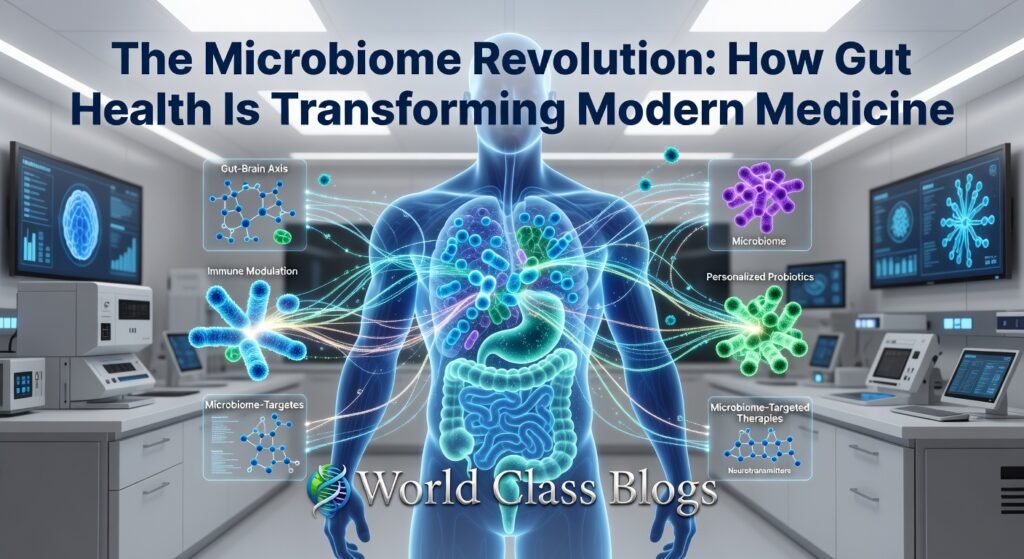
Microbial diversity is a key marker of gut health—diverse ecosystems (left) are generally healthier than depleted ones (right)
Introduction – Why This Matters
In my experience as a health science writer who has followed the microbiome field for over a decade, I’ve watched this area evolve from scientific curiosity to clinical reality. When I first encountered microbiome research in graduate school around 2015, it felt like science fiction—the idea that trillions of bacteria living in our guts could influence everything from our weight to our mood seemed almost too fantastical to believe.
What I’ve found is that the intervening decade has transformed speculation into evidence. By 2026, we have something unprecedented: a new understanding of human biology that positions us not as isolated organisms but as complex ecosystems. We are, in a very real sense, more bacterial than human—the microbes in and on our bodies outnumber our human cells and carry 100 times more genes than our human genome.
The implications for medicine are staggering. Conditions once considered mysterious—autoimmune diseases rising sharply in developed countries, the epidemic of food allergies, the connection between gut problems and depression—now have a unifying framework. The microbiome explains why antibiotics can trigger chronic health problems years later. It illuminates why diet so powerfully influences disease risk. And it opens entirely new avenues for treatment.
This guide will walk you through everything you need to know about the microbiome revolution. Whether you’re a curious beginner wondering whether probiotic supplements are worth the money, or a healthcare professional needing a refresher on the latest evidence, this article will give you a comprehensive, practical understanding of how gut health is transforming modern medicine.
Background / Context
The Discovery Journey: From Pasteur to Precision
The story of the microbiome begins in the 17th century when Antonie van Leeuwenhoek first peered at dental plaque through his handmade microscopes and observed “little animalcules” swimming in the scrapings from his teeth. But for the next 300 years, our understanding of these organisms remained rudimentary. We knew bacteria existed. We knew some caused terrible diseases—cholera, tuberculosis, plague. The medical establishment adopted a fundamentally adversarial stance: bacteria were enemies to be eradicated.
This mindset reached its zenith with the mid-20th-century explosion of antibiotic development. Penicillin, streptomycin, and tetracycline—these miracle drugs saved millions of lives by killing pathogenic bacteria. But they also killed indiscriminately, wiping out beneficial bacteria alongside the harmful ones. The consequences would take decades to fully appreciate.
The real turning point came with technological advances. Traditional microbiology required growing bacteria in culture, but perhaps 99% of gut bacteria cannot be cultured in a lab—they die when removed from their oxygen-free, nutrient-rich intestinal environment. We were literally blind to most of our microbial inhabitants.
What I’ve found fascinating is how the Human Microbiome Project, launched by the National Institutes of Health in 2007, changed everything. Using 16S rRNA gene sequencing and later shotgun metagenomics, researchers could finally identify bacteria by their DNA signatures without culturing them. Suddenly, we had a census of our microbial residents.
The results were humbling. The average human gut contains 300-500 different bacterial species, with enormous variation between individuals. Your microbiome is as unique as your fingerprint—shaped by how you were born, what you’ve eaten, where you’ve lived, what medications you’ve taken, and countless other factors.
The Hygiene Hypothesis and Its Evolution
The microbiome revolution also provided a mechanistic explanation for a puzzling epidemiological observation: the “hygiene hypothesis.” First proposed in 1989, this hypothesis suggested that reduced exposure to microbes in early childhood—due to modern sanitation, smaller families, and antibiotic overuse—might explain rising rates of allergic and autoimmune diseases in developed countries.
The microbiome gave this hypothesis biological teeth. We now understand that early microbial exposure trains the developing immune system, teaching it to distinguish friend from foe. Without this training, the immune system may overreact to harmless substances (allergy) or mistakenly attack the body’s own tissues (autoimmunity).
The Current Landscape in 2026
As of 2026, microbiome science has matured from basic research to clinical applications. The global microbiome therapeutics market, valued at approximately $850 million in 2024, is projected to exceed $2.5 billion by 2029. Over 100 clinical trials are currently investigating microbiome-based interventions for conditions ranging from recurrent C. difficile infection to cancer immunotherapy response.
But with this growth comes complexity. The market is flooded with direct-to-consumer microbiome tests, probiotic supplements of questionable quality, and bold claims outpacing evidence. Navigating this landscape requires understanding what we know, what we don’t know, and how to distinguish genuine advances from marketing hype.
Key Concepts Defined
Before diving deeper, let’s establish clear definitions of essential microbiome terminology. In my experience teaching these concepts to patients and healthcare professionals, confusion about basic terms creates the biggest barrier to understanding.
Microbiome: The collection of microorganisms (bacteria, viruses, fungi, and archaea) that live in and on the human body, along with their genetic material. The gut microbiome is the largest and most studied community.
Microbiota: The specific microorganisms themselves—the actual bacteria, viruses, and fungi living in a particular environment. Think of it this way: the microbiota are the residents; the microbiome is their combined genetic potential.
Dysbiosis: An imbalance in the microbial community—either loss of beneficial bacteria, overgrowth of potentially harmful bacteria, or loss of overall diversity. Dysbiosis has been linked to numerous diseases, though whether it’s a cause or a consequence often remains unclear.
Probiotics: Live microorganisms that, when administered in adequate amounts, confer a health benefit on the host. This definition, from the International Scientific Association for Probiotics and Prebiotics, emphasizes that not all live bacteria qualify—they must be tested and shown to provide benefits.
Prebiotics: Substrates (typically dietary fibers) that are selectively utilized by host microorganisms, conferring a health benefit. Prebiotics feed beneficial bacteria rather than introducing new ones.
Synbiotics: Products that combine probiotics and prebiotics, designed to improve the survival and activity of beneficial bacteria.
Postbiotics: Bioactive compounds produced by microorganisms that exert health benefits—including short-chain fatty acids, enzymes, peptides, and cell wall components. These are the metabolic products through which bacteria influence our health.
Psychobiotics: Probiotics or prebiotics that confer mental health benefits through interactions with the gut-brain axis. This emerging field has generated enormous interest and controversy.
Fecal Microbiota Transplant (FMT): Transfer of stool from a healthy donor to a recipient to restore a healthy gut microbial community. FMT has remarkable efficacy for recurrent C. difficile infection and is being investigated for numerous other conditions.
Metagenomics: Sequencing of all genetic material recovered from a sample (like stool), allowing identification of microorganisms and their functional potential without culturing.
Short-Chain Fatty Acids (SCFAs): Molecules produced when gut bacteria ferment dietary fiber. The main SCFAs—acetate, propionate, and butyrate—serve as fuel for colon cells, regulate inflammation, and influence metabolism.
How the Microbiome Works (Step-by-Step Breakdown)
Understanding how the microbiome influences health requires looking at multiple mechanisms operating simultaneously. Let me walk you through the major pathways.
Step 1: Colonization and Development
Your microbiome story begins at birth. Infants delivered vaginally acquire bacteria from the mother’s birth canal—primarily Lactobacillus, Prevotella, and Sneathia species. Infants delivered by C-section acquire bacteria from the mother’s skin and hospital environment—predominantly Staphylococcus, Corynebacterium, and Propionibacterium.
This initial colonization matters. C-section delivery has been associated with increased risk of asthma, allergies, obesity, and autoimmune diseases—though whether this reflects the microbiome difference or other factors remains debated.
Breastfeeding shapes the next phase. Human milk contains human milk oligosaccharides (HMOs)—complex sugars that the infant cannot digest but that specifically feed beneficial Bifidobacteria. Formula-fed infants develop different microbial communities with fewer Bifidobacteria.
The first three years represent a critical window when the microbiome is relatively unstable and highly responsive to external influences. By age three, the microbiome stabilizes into a configuration that resembles adult patterns and remains relatively resilient throughout life.
Step 2: Metabolic Functions
Once established, your gut bacteria perform essential metabolic functions that your human cells cannot:
Fiber Fermentation: When you eat dietary fiber—found in vegetables, fruits, legumes, and whole grains—your human digestive enzymes cannot break it down. Gut bacteria step in, fermenting these fibers and producing short-chain fatty acids (SCFAs) as byproducts.
Butyrate, one of these SCFAs, serves as the primary fuel source for colon cells. Without butyrate, colon cells must rely on less efficient energy sources. Acetate and propionate enter the bloodstream and influence metabolism throughout the body—regulating appetite, improving insulin sensitivity, and reducing inflammation.
Vitamin Synthesis: Gut bacteria synthesize vitamin K and several B vitamins, including B12, biotin, and folate. For healthy individuals with adequate diets, this contribution is supplementary, but in malnutrition or malabsorption, bacterial vitamin production becomes clinically significant.
Bile Acid Metabolism: Bacteria modify bile acids—digestive secretions produced by the liver—in ways that influence fat absorption and cholesterol metabolism. These modified bile acids also act as signaling molecules, affecting metabolism and inflammation.
Amino Acid Production: While we obtain most amino acids from diet, gut bacteria can produce some amino acids and modify others, potentially contributing to the body’s amino acid pool .
Step 3: Immune System Education
The gut houses approximately 70% of the body’s immune cells, positioned strategically at the interface between you and the outside world. Your gut bacteria constantly interact with this immune tissue, providing essential training.
Barrier Reinforcement: Beneficial bacteria strengthen the intestinal barrier—the single layer of cells separating your insides from gut contents. They do this by:
- Producing substances that tighten the junctions between cells
- Stimulating mucus production, creating a protective layer
- Competing with pathogens for attachment sites
Immune Tolerance: The immune system must learn to tolerate harmless bacteria while remaining ready to attack genuine pathogens. Gut bacteria help calibrate this response. Mice raised in germ-free environments (without any bacteria) develop defective immune systems with poorly developed lymphoid tissue and abnormal immune responses.
Inflammation Regulation: Certain bacteria, particularly those producing butyrate, promote the development of regulatory T cells—immune cells that dampen inflammation and prevent autoimmune reactions. Low butyrate-producing bacteria have been linked to inflammatory bowel disease and allergies.
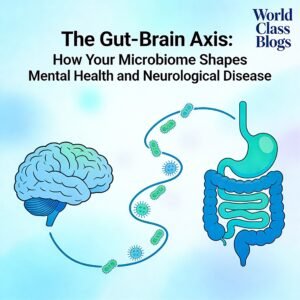
Step 4: The Gut-Brain Axis
Perhaps the most fascinating—and for many, the most surprising—microbiome function is its influence on the brain. The gut-brain axis involves multiple communication pathways:
Vagus Nerve: The vagus nerve directly connects the gut and brainstem, with 80-90% of its fibers carrying signals from gut to bthe rain. Gut bacteria produce molecules that stimulate vagal nerve endings, sending signals that influence mood, anxiety, and behavior.
Neurotransmitter Production: Gut bacteria produce or influence numerous neurotransmitters:
- 90-95% of the body’s serotonin is produced in the gut, not the brain
- GABA, the primary inhibitory neurotransmitter, is produced by certain Lactobacillus and Bifidobacterium strains
- Dopamine and norepinephrine precursors are also influenced by gut bacteria
Immune Signaling: Inflammatory molecules produced in the gut can travel through the bloodstream and affect brain function, potentially contributing to “sickness behavior”—the lethargy, depressed mood, and social withdrawal that accompany illness.
Hypothalamic-Pituitary-Adrenal (HPA) Axis Regulation: The microbiome influences the body’s stress response system. Germ-free mice show exaggerated stress hormone responses, which can be normalized by introducing Bifidobacteria.
Step 5: Protection Against Pathogens
A healthy, diverse microbiome provides colonization resistance—the ability to prevent pathogenic bacteria from establishing infection. Beneficial bacteria do this through:
- Competing for nutrients and attachment sites
- Producing antimicrobial compounds
- Maintaining an acidic environment is unfavorable to pathogens
- Stimulating immune responses that target invaders
This protective function explains why antibiotic use—which disrupts the normal microbiome—increases susceptibility to subsequent infections, particularly C. difficile.
Why It’s Important
The Missing Link in Chronic Disease
The importance of the microbiome becomes most apparent when you consider the epidemic of chronic diseases in developed countries. Conditions that have increased dramatically over the past century—obesity, type 2 diabetes, inflammatory bowel disease, allergies, asthma, and autoimmune diseases—all show associations with microbiome alterations.
What I’ve found compelling is the consistency of the pattern. Across dozens of studies comparing patients with these conditions to healthy controls, the same themes emerge:
- Reduced overall microbial diversity
- Loss of certain anti-inflammatory bacteria (particularly butyrate producers)
- Overgrowth of potentially inflammatory bacteria
This doesn’t prove causation, but the evidence for causal relationships is growing. Transplanting microbiota from obese mice into germ-free mice transfers obesity to the recipients. Similar experiments have shown transfer of depression-like behavior, anxiety, and even certain autoimmune tendencies.
The Antibiotic Paradox
Antibiotics represent one of medicine’s greatest achievements, but they also illustrate the double-edged nature of microbiome disruption. A single course of antibiotics can reduce gut microbial diversity by 25-30%, and recovery may take months—if it happens at all. Some bacterial species never return after antibiotic exposure.
The long-term consequences of cumulative antibiotic exposure are increasingly recognized. Higher lifetime antibiotic exposure is associated with increased risk of inflammatory bowel disease, obesity, asthma, and type 2 diabetes. The pediatric population appears particularly vulnerable—antibiotic use in early childhood shows stronger associations with later chronic disease than use in adulthood.
Individual Variability and Personalized Medicine
Your microbiome is unique—shaped by your specific history of diet, medication, environment, and genetics. This individuality explains why one person’s “healthy diet” may not work for another, and why responses to medications vary so dramatically.
Drug Metabolism: Gut bacteria can activate, inactivate, or modify numerous drugs. The cardiac drug digoxin is inactivated by certain gut bacteria—people harboring these bacteria require higher doses. The colorectal cancer drug irinotecan can be reactivated by bacterial enzymes, causing severe diarrhea. The Parkinson’s drug levodopa is metabolized by bacteria before reaching the brain in some individuals, reducing effectiveness.
Dietary Response: The same meal produces different metabolic effects in different people based on their microbiomes. This finding, from studies using continuous glucose monitors, explains why personalized nutrition approaches based on microbiome analysis may outperform one-size-fits-all dietary advice.
Immunotherapy Response: Perhaps most dramatically, cancer immunotherapy effectiveness appears influenced by the microbiome. Multiple studies have shown that patients with certain gut bacteria respond better to checkpoint inhibitors—drugs that unleash the immune system against tumors. Manipulating the microbiome to improve immunotherapy response is now an active area of clinical investigation.
Sustainability in the Future
Environmental Sustainability and the Microbiome
The microbiome revolution has implications beyond individual health—it connects to broader environmental sustainability in several ways.
Agricultural Practices: Industrial agriculture, with its heavy reliance on antibiotics and chemical fertilizers, disrupts soil microbiomes in ways that parallel human gut disruption. Regenerative agricultural practices that restore soil microbial diversity produce more nutrient-dense food while sequestering carbon and reducing chemical inputs.
Antibiotic Resistance: The antibiotic resistance crisis—projected to cause 10 million deaths annually by 2050—is fundamentally a microbiome problem. Antibiotic use selects for resistant bacteria both in our guts and in the environment. Preserving microbiome health through judicious antibiotic use has global implications.
Food Systems: The recognition that dietary fiber feeds beneficial gut bacteria has sparked renewed interest in diverse plant foods. Diets rich in varied plant fibers support microbial diversity while reducing the environmental footprint of food production—plant-based diets generally have lower carbon and water footprints than meat-heavy diets.
Economic Sustainability
The economic case for microbiome-based interventions grows stronger as evidence accumulates.
Prevention Potential: If microbiome-targeted interventions can prevent or delay chronic diseases—diabetes, inflammatory bowel disease, allergies—the healthcare cost savings would be enormous. The global annual cost of obesity alone exceeds $2 trillion. Even modest preventive effects would generate massive economic value.
Reduced Antibiotic Use: Probiotics and other microbiome-supporting interventions may reduce antibiotic prescribing, addressing both resistance and cost. A 2024 meta-analysis found that certain probiotics reduced respiratory tract infections and antibiotic use in children and adults.
Personalized Approaches: By identifying individuals at highest risk—based on microbiome profiles—preventive interventions can be targeted to those most likely to benefit, improving cost-effectiveness.
Research Sustainability
The pace of microbiome research raises important questions about sustainability. The field has moved from basic description to clinical translation remarkably quickly, but this speed creates risks.
Replication Crisis Concerns: Like other areas of biomedical research, microbiome studies face replication challenges. Small sample sizes, technical variability between sequencing methods, and confounding factors have produced inconsistent results in some areas.
Commercial Pressure: The rapid growth of the microbiome testing and probiotic industries creates commercial pressure to overstate findings. Direct-to-consumer companies often make claims that outpace evidence, potentially undermining public trust .
Open Science Initiatives: Sustainable progress will require large, well-designed studies with open data sharing, standardized methods, and preregistered analyses. Initiatives like the American Gut Project and the Microsetta Initiative exemplify this approach, engaging citizen scientists while generating publicly available data.
Common Misconceptions
In my experience speaking with patients, friends, and even healthcare professionals, several misconceptions about the microbiome persist. Let me address them directly.
Misconception 1: “Probiotics are all the same—any yogurt with ‘live cultures’ works.”
This is perhaps the most common misunderstanding. Probiotics are strain-specific. Lactobacillus rhamnosus GG is different from Lactobacillus rhamnosus GR-1, and they have different effects. A strain shown to reduce antibiotic-associated diarrhea may do nothing for irritable bowel syndrome. The dose matters—most studies use 1-10 billion colony-forming units daily, far more than found in most yogurts. And not all products contain what their labels claim—independent testing has found that some probiotics contain no live bacteria at all, while others contain species not listed on the label.
Misconception 2: “Microbiome testing will tell me exactly what’s wrong and how to fix it.”
Direct-to-consumer microbiome tests promise personalized dietary recommendations based on your bacterial profile. The reality is more complicated. While research has identified general patterns associated with health and disease, we don’t yet have validated algorithms for translating an individual’s microbiome profile into specific dietary advice. Two different testing companies may give you completely different recommendations from the same stool sample. Science is advancing rapidly, but for now, these tests are best viewed as exploratory rather than diagnostic.
Misconception 3: “Antibiotics always ruin your microbiome permanently.”
While antibiotics do disrupt the microbiome, the effects vary enormously depending on the antibiotic, the duration, and the individual’s baseline microbiome. Some antibiotics (like clarithromycin) have profound effects; others (like narrow-spectrum penicillins) have more modest impacts. Recovery also varies—most people recover substantial diversity within weeks to months, though some species may not return. Strategies to support recovery include probiotic use (though evidence is mixed) and, more importantly, dietary fiber to feed remaining beneficial bacteria.
Misconception 4: “The microbiome explains everything—it’s the cause of all diseases.”
The microbiome field has generated enormous enthusiasm, but it’s important to maintain perspective. Dysbiosis (microbial imbalance) has been associated with numerous diseases, but association is not causation. In many cases, we don’t know whether the microbiome changes cause disease, result from disease, or both. The microbiome is one factor among many—genetics, environment, lifestyle, and conventional medical factors all matter. Overstating the microbiome’s role risks neglecting other important aspects of health.
Misconception 5: “You can permanently change your microbiome with a few days of cleansing or detoxing.”
“Gut cleansing” products and detox regimens have become popular, but they have little scientific support. The microbiome is relatively resilient—short-term interventions produce short-term changes. Sustained change requires sustained behavior change, particularly in diet. A few days of juicing may temporarily alter your microbiome, but it will return to baseline when you resume your normal diet.
Misconception 6: “All bacteria are bad—fewer bacteria means better health.”
This misconception reflects the old paradigm of bacteria as enemies. In reality, most bacteria are either harmless or beneficial. Higher microbial diversity—more species, more evenly distributed—is generally associated with better health. The healthiest microbiomes resemble diverse ecosystems, like rainforests, while diseased microbiomes resemble degraded ecosystems, like barren fields.
Misconception 7: “Fecal transplants are a ‘magic bullet’ for all gut problems.”
Fecal microbiota transplantation has remarkable efficacy for recurrent C. difficile infection—cure rates exceed 90% in clinical trials. This success has generated enormous interest in using FMT for other conditions, from inflammatory bowel disease to autism to depression. Early results are mixed—some show promise, others show no benefit, and some suggest potential harm. FMT is not a generic “reset button” for the gut; it’s a specific therapy for a specific condition, and its use for other indications remains experimental.
Recent Developments (2025-2026)
Live Biotherapeutic Products
The regulatory landscape for microbiome-based therapeutics has matured significantly. The FDA has now cleared multiple live biotherapeutic products (LBPs)—defined as biological products that contain live organisms and apply to the prevention, treatment, or cure of a disease.
Unlike consumer probiotics, these products undergo rigorous clinical testing and FDA review. In 2025-2026, several LBPs have advanced through late-stage clinical trials:
Inflammatory Bowel Disease: Multiple candidates have shown promise in phase 2 trials for ulcerative colitis, with some achieving remission rates comparable to biologic drugs but with better safety profiles.
Cancer Immunotherapy Enhancement: Building on observational studies linking certain gut bacteria to better immunotherapy responses, several companies have initiated trials testing specific bacterial consortia to boost checkpoint inhibitor effectiveness in melanoma and lung cancer.
Metabolic Disease: Early-phase trials of bacteria engineered to produce GLP-1 (the same hormone targeted by popular diabetes drugs) have shown promising effects on glucose control and weight loss.
FMT Standardization
Fecal microbiota transplantation has moved from kitchen-table procedures toward regulated therapeutics. The FDA now requires an investigational new drug application for most FMT use, and several companies have advanced standardized, encapsulated FMT products through clinical trials.
The first FDA-approved FMT product for recurrent C. difficile—RBX2660 (Rebyota)—was approved in late 2022, and 2025-2026 has seen additional approvals with improved manufacturing and stability. These products replace crude stool preparations with standardized, screened, and tested bacterial communities.
Dietary Guidelines Evolution
Recognition of the microbiome’s importance has begun influencing official dietary guidance. The 2025-2030 Dietary Guidelines for Americans, released in late 2025, included for the first time specific recommendations about dietary fiber diversity, not just total fiber intake.
The guidelines now recommend consuming a variety of fiber-containing foods—legumes, whole grains, vegetables, fruits, nuts, and seeds—to support microbial diversity, rather than simply meeting a total fiber target. This shift reflects growing evidence that different fibers feed different bacteria, and diversity of inputs supports diversity of outputs.
Microbiome-Based Diagnostics
Several microbiome-based diagnostic tests have received regulatory clearance or achieved clinical adoption:
Preterm Birth Risk: A test analyzing the vaginal microbiome to predict preterm birth risk has shown promise in validation studies, potentially enabling targeted preventive interventions.
Colorectal Cancer Screening: Stool-based tests that combine microbial DNA markers with traditional fecal immunochemical testing have demonstrated improved sensitivity for early cancer detection.
Inflammatory Bowel Disease Monitoring: Microbial signatures that correlate with disease activity may enable non-invasive monitoring, reducing the need for frequent colonoscopies.
Precision Probiotics
The one-size-fits-all approach to probiotics is giving way to precision targeting:
Strain Selection: Rather than generic “probiotic” claims, products increasingly target specific indications with strains selected for specific functions—particular immune effects, particular neurotransmitter production, particular pathogen inhibition.
Synbiotic Formulations: Combining specific probiotics with their preferred prebiotic fibers improves survival and activity, producing more reliable effects.
Spore-Forming Probiotics: Bacillus and other spore-forming species, which survive stomach acid better than traditional Lactobacillus and Bifidobacterium, have gained popularity, though evidence for their superiority remains mixed.
Success Stories
Case Study 1: Recurrent C. Difficile and the FMT Revolution
Perhaps the most dramatic success story in microbiome medicine involves Clostridioides difficile infection. C. diff causes severe, debilitating diarrhea, primarily in people who have taken antibiotics. First-line treatment is more antibiotics—vancomycin or fidaxomicin. But for the 20-30% of patients who relapse after initial treatment, the cycle can become devastating. Each subsequent relapse increases the risk of another, and patients can become trapped in a cycle of recurrent infection, hospitalization, and antibiotic courses that further damage their gut microbiome.
What I’ve found remarkable is the efficacy of fecal microbiota transplantation for these patients. In randomized controlled trials, FMT cures 80-90% of recurrent C. diff cases after a single treatment—dramatically better than the 30-40% success rate of continued antibiotics.
The mechanism is elegant: FMT restores the diverse microbial community that normally provides colonization resistance against C. diff. The transplanted bacteria compete with C. diff for nutrients, produce inhibitory compounds, and stimulate immune responses that suppress the pathogen.
This success has transformed care for these patients. Before FMT, some endured years of recurrent infections, repeated hospitalizations, and profound disability. Now, most are cured with a single procedure.
Case Study 2: The Hygiene Hypothesis in Action
The hygiene hypothesis predicted that early-life microbial exposure protects against allergic disease. The microbiome provides a mechanistic explanation, and intervention studies have begun testing whether probiotic supplementation in early life can prevent allergies.
The most compelling evidence comes from studies of probiotic supplementation during pregnancy and infancy. A 2024 meta-analysis of over 20 randomized controlled trials found that specific probiotic strains, particularly Lactobacillus rhamnosus GG and Bifidobacterium lactis, reduced the risk of eczema in infants by approximately 20%.
The effect is modest but meaningful, particularly for high-risk infants (those with a family history of allergic disease). Several international guidelines now recommend considering probiotic supplementation for pregnant women and breastfeeding mothers whose infants are at high allergy risk, though recommendations vary by region.
Case Study 3: Microbiome and Malnutrition
Childhood malnutrition remains one of the world’s most intractable health problems. Standard treatment—therapeutic foods providing calories and protein—saves lives but doesn’t fully restore healthy development. Many children who recover from acute malnutrition remain stunted and suffer long-term cognitive impairment.
Research led by Jeffrey Gordon’s lab at Washington University has revealed a microbiome dimension to this problem. Malnourished children have immature microbiomes that resemble those of younger infants. These immature microbiomes fail to perform essential functions—producing vitamins, fermenting fiber to produce energy sources for colon cells, and supporting immune development.
The breakthrough came with the development of microbiota-directed complementary foods—specifically formulated foods designed to nourish beneficial bacteria. In randomized controlled trials in Bangladesh, these foods—containing chickpeas, soy, peanuts, and other ingredients in precise combinations—improved not only nutritional recovery but also microbiome maturation.
This work demonstrates that microbiome science can address global health challenges, not just Western lifestyle diseases.
Case Study 4: Cancer Immunotherapy Enhancement
Perhaps the most exciting emerging success story involves the microbiome’s role in cancer immunotherapy. Immune checkpoint inhibitors—drugs like pembrolizumab (Keytruda) and nivolumab (Opdivo)—have revolutionized cancer treatment, but they work for only a subset of patients. Why some patients respond, and others don’t, has been mysterious.
Multiple research groups independently discovered that responding patients had different gut microbiomes than non-responders. In melanoma, patients with higher levels of certain bacteria—including Akkermansia muciniphila, Bifidobacterium longum, and Faecalibacterium—showed better responses and longer survival.
What excites me about this research is that it suggests a potential intervention: could manipulating the microbiome convert non-responders into responders? Early trials are testing this hypothesis. In one small study, fecal transplants from responding patients to non-responders, combined with immunotherapy, induced responses in some previously non-responsive patients.
Larger trials are now underway, and several companies are developing defined bacterial consortia designed to boost immunotherapy responses. If successful, this approach could benefit hundreds of thousands of cancer patients annually.
Real-Life Examples
Example 1: Sarah’s IBS Journey
Sarah, a 32-year-old teacher, had suffered from irritable bowel syndrome for eight years—alternating constipation and diarrhea, debilitating bloating, and abdominal pain that sometimes kept her home from work. She’d tried the low-FODMAP diet (with some benefit but impossible to maintain long-term), various medications (with limited effect and bothersome side effects), and countless probiotics (with no consistent benefit).
Her gastroenterologist suggested a different approach: comprehensive microbiome assessment combined with a personalized dietary intervention. Testing revealed low overall diversity and particularly low levels of bacteria that produce butyrate, the anti-inflammatory short-chain fatty acid.
The intervention focused on feeding her existing butyrate producers rather than introducing new bacteria. She gradually increased dietary fiber from diverse sources—not just total fiber but variety: legumes one day, whole grains the next, different vegetables throughout the week. She also incorporated resistant starch from cooled potatoes and green bananas, which particularly stimulate butyrate producers.
Within three months, Sarah’s symptoms had improved dramatically. Her bloating reduced by 70%, her bowel habits normalized, and she experienced pain-free days for the first time in years. Follow-up testing showed increased microbial diversity and higher levels of butyrate-producing bacteria.
What I’ve found instructive about Sarah’s case is that it didn’t require exotic interventions—just a more sophisticated application of dietary principles, guided by an understanding of her specific microbial profile.
Example 2: David’s Post-Antibiotic Recovery
David, a 55-year-old accountant, required a course of broad-spectrum antibiotics for a severe dental infection. Within weeks of completing treatment, he developed persistent diarrhea, abdominal discomfort, and fatigue. His primary care physician diagnosed antibiotic-associated dysbiosis.
Rather than prescribing additional medications, David’s doctor recommended a multi-pronged approach:
- A probiotic (Saccharomyces boulardii, a yeast with strong evidence for preventing antibiotic-associated diarrhea) during and immediately after antibiotics
- Gradual increase in dietary fiber, starting with soluble fibers (oats, psyllium) that are well-tolerated during recovery
- Fermented foods—yogurt, kefir, kimchi, kombucha—to introduce diverse beneficial microbes
- Avoidance of unnecessary additional antibiotics
David recovered over approximately eight weeks, though it took three months for his bowel habits to fully normalize. His experience illustrates both the vulnerability of the microbiome to antibiotics and the potential for targeted interventions to support recovery.
Example 3: Maria’s Mood and Microbiome Connection
Maria, a 28-year-old graduate student, had struggled with mild to moderate depression for years. She’d tried two different antidepressants—both helped somewhat but caused side effects she found intolerable. Her psychiatrist, who had an interest in nutritional psychiatry, suggested she consider the gut-brain axis.
Testing revealed low levels of Lactobacillus and Bifidobacterium—genera associated with GABA and serotonin production. Maria’s diet was relatively low in fermented foods and fiber.
The intervention included:
- A trial of specific probiotic strains with evidence for mood effects (Lactobacillus helveticus R0052 and Bifidobacterium longum R0175)
- Gradual increase in prebiotic fibers (garlic, onions, leeks, asparagus, oats) to support beneficial bacteria
- Fermented foods (kefir, kimchi, kombucha) at least once daily
Within six weeks, Maria reported modest but noticeable improvement in mood and, perhaps more significantly, reduced anxiety. She continued cognitive behavioral therapy alongside the dietary changes. At the six-month follow-up, she’d maintained improvements and had avoided restarting medication.
Maria’s case doesn’t prove causation—many factors influence mood—but it illustrates the potential for microbiome-targeted interventions as part of comprehensive mental health care.
Conclusion and Key Takeaways
The microbiome revolution represents one of the most profound shifts in medical thinking in a century. We’ve moved from viewing bacteria as enemies to recognizing them as essential partners in health. The implications span nearly every area of medicine—from infectious disease to mental health, from cancer treatment to nutrition.
Key Takeaways:
- The microbiome is a vital organ. The trillions of bacteria in your gut perform essential functions your human cells cannot—producing vitamins, fermenting fiber, training your immune system, and communicating with your brain.
- Diversity matters. Higher microbial diversity is consistently associated with better health. Supporting diversity means consuming diverse plant fibers, avoiding unnecessary antibiotics, and incorporating fermented foods.
- Probiotics are strain-specific. Not all probiotics work for all conditions. Effective use requires matching specific strains to specific indications, at adequate doses.
- Diet is the primary driver. What you eat determines which bacteria thrive. Fiber-rich, plant-diverse diets support beneficial bacteria; highly processed, low-fiber diets promote dysbiosis.
- Early life is critical. The first three years represent a crucial window for microbiome development. Mode of delivery, infant feeding, and early antibiotic use have lasting effects.
- The field is evolving rapidly. From FDA-approved live biotherapeutic products to microbiome-informed dietary guidelines, clinical applications are expanding. Stay informed but skeptical of overblown claims.
- Individuality matters. Your microbiome is unique. What works for one person may not work for another. Personalized approaches, guided by emerging testing and professional expertise, will increasingly replace one-size-fits-all recommendations.
In my experience, the most successful approach to microbiome health is both humble and curious—humble about what we still don’t know, and curious about the complex ecosystem within us. The science will continue to evolve, but the fundamental insight is already clear: we are not alone, and our health depends on nurturing the trillions of partners with whom we share our bodies.
FAQs (24 Detailed Questions and Answers)
Q1: What exactly is the gut microbiome?
The gut microbiome is the collection of trillions of microorganisms—bacteria, viruses, fungi, and archaea—living in your digestive tract, along with all their genetic material. The average person harbors 300-500 different bacterial species, with enormous variation between individuals.
Q2: How does the microbiome affect my health?
Your microbiome influences digestion, vitamin production, immune system development, inflammation regulation, metabolism, and even brain function through the gut-brain axis. Dysbiosis (imbalance) has been linked to numerous conditions, including obesity, inflammatory bowel disease, allergies, and depression.
Q3: Should I take a probiotic supplement?
It depends on your specific situation. Probiotics with documented strains and doses can be helpful for certain conditions—antibiotic-associated diarrhea, some cases of irritable bowel syndrome, and possibly for preventing eczema in high-risk infants. For generally healthy people, evidence for routine probiotic use is weaker. Focus first on dietary patterns that support your resident bacteria.
Q4: What foods support a healthy microbiome?
Diverse plant fibers are the primary fuel for beneficial bacteria. Aim for a variety of vegetables, fruits, legumes, whole grains, nuts, and seeds—different fibers feed different bacteria. Fermented foods (yogurt, kefir, kimchi, sauerkraut, kombucha) introduce beneficial microbes. Minimize highly processed foods, artificial sweeteners, and excessive red meat.
Q5: Can I test my microbiome?
Direct-to-consumer microbiome tests are available, but their clinical utility remains limited. They can provide interesting information about your bacterial composition, but the science isn’t yet advanced enough to translate individual profiles into specific, validated recommendations. Discuss with a healthcare provider if you’re considering testing.
Q6: Do antibiotics permanently damage the microbiome?
Antibiotics do disrupt the microbiome, often reducing diversity by 25-30%. Recovery varies—most people regain substantial diversity within weeks to months, though some species may not return. Multiple antibiotic courses, especially in early life, pose a greater risk. Always use antibiotics only when necessary, and discuss with your doctor whether probiotics might help during and after treatment.
Q7: What’s the difference between probiotics and prebiotics?
Probiotics are live microorganisms that confer health benefits when administered in adequate amounts—essentially, beneficial bacteria you introduce. Prebiotics are dietary fibers that feed beneficial bacteria already living in your gut. Synbiotics combine both.
Q8: Can the microbiome affect my mood and mental health?
Yes, through the gut-brain axis. Gut bacteria produce neurotransmitters (including 90-95% of the body’s serotonin), influence stress hormone responses, and communicate with the brain via the vagus nerve. Certain probiotic strains (“psychobiotics”) show promise for mood support, though evidence is still emerging.
Q9: What is fecal microbiota transplant (FMT)?
FMT involves transferring stool from a healthy donor to a recipient to restore a healthy gut microbial community. It’s highly effective (90% cure rate) for recurrent C. difficile infection and is being investigated for other conditions, including inflammatory bowel disease and metabolic syndrome.
Q10: Are fermented foods as good as probiotic supplements?
For many people, fermented foods may be superior. They contain diverse microbes and beneficial compounds beyond what supplements provide. A 2021 study found that a diet rich in fermented foods increased microbiome diversity and reduced inflammatory markers. However, supplements provide specific strains at documented doses, which can be useful for targeted indications.
Q11: Can the microbiome affect my weight?
Yes, though the relationship is complex. Studies show differences between the microbiomes of lean and obese individuals, and transplanting microbiota from obese mice into germ-free mice transfers obesity. However, the microbiome is one factor among many—diet, physical activity, genetics, and hormones all play major roles.
Q12: How long does it take to change your microbiome?
Some changes happen quickly—dietary shifts alter bacterial activity within days. But sustained change to overall community composition typically takes weeks to months of consistent behavior change. The microbiome is resilient; short-term interventions produce short-term effects.
Q13: Do I need to avoid all antibiotics to protect my microbiome?
No—antibiotics are essential, life-saving medications when used appropriately. The goal is judicious use: antibiotics only when clinically indicated, using narrow-spectrum agents when possible, at the correct duration. Work with your healthcare provider to ensure appropriate use.
Q14: What’s the microbiome’s role in autoimmune diseases?
The microbiome helps train the immune system to distinguish friend from foe. Dysbiosis may contribute to autoimmune diseases—including inflammatory bowel disease, rheumatoid arthritis, and type 1 diabetes—by promoting inappropriate immune responses. Research is active, but interventions remain investigational.
Q15: Can I improve my child’s microbiome?
Yes, particularly in the first three years. Vaginal delivery (when safe), breastfeeding, diverse complementary foods, judicious antibiotic use, and exposure to pets and nature all support healthy microbiome development. Probiotic use during pregnancy and infancy may reduce eczema risk in high-risk children.
Q16: What’s the connection between microbiome and allergies?
The microbiome trains the immune system to tolerate harmless substances. Disrupted microbiome development—from C-section delivery, limited breastfeeding, antibiotic overuse, or overly sanitized environments—may increase allergy risk by impairing this training. Supporting healthy microbiome development may help prevent allergies.
Q17: Are microbiome-based therapies available for cancer patients?
Investigational. Research shows that certain gut bacteria are associated with better responses to immunotherapy, and early trials suggest that manipulating the microbiome might improve outcomes. However, these approaches remain experimental—discuss with your oncologist, not as an alternative to standard care.
Q18: What’s a postbiotic?
Postbiotics are bioactive compounds produced by microorganisms that confer health benefits. They include short-chain fatty acids (like butyrate), enzymes, peptides, and cell wall components. Essentially, they’re the beneficial substances bacteria produce, whether the bacteria themselves are alive or not.
Q19: How do artificial sweeteners affect the microbiome?
Some studies suggest that artificial sweeteners may alter the microbiome in ways that impair glucose tolerance, though findings are mixed and human data are limited. Until more is known, moderation is prudent.
Q20: Can the microbiome affect my skin?
Yes—the gut-skin axis is increasingly recognized. Gut dysbiosis may contribute to inflammatory skin conditions, including acne, eczema, and rosacea. Some studies find that probiotic supplementation improves these conditions, though evidence is preliminary.
Q21: What’s the difference between a probiotic and a live biotherapeutic product?
Probiotics are generally available as dietary supplements or foods, with less stringent regulatory oversight. Live biotherapeutic products are regulated as drugs, require FDA approval, and have undergone rigorous clinical testing for specific indications. LBPs represent the medicalization of live bacteria.
Q22: Does cooking kill the benefits of prebiotic fibers?
Cooking can alter fiber structure, but doesn’t eliminate prebiotic effects. Many cooked foods—cooked oats, beans, potatoes (especially cooled for resistant starch)—retain or even enhance their prebiotic activity. Variety matters more than preparation method.
Q23: Can stress affect my microbiome?
Yes—stress influences the microbiome through multiple pathways: altering gut motility, changing mucus production, affecting immune function, and potentially directly affecting bacterial behavior. Chronic stress is associated with dysbiosis, and stress reduction may benefit microbiome health.
Q24: Where is microbiome research heading in the next 5 years?
Expect continued movement from association to causation—identifying which microbial changes actually cause disease rather than merely accompany it. Therapeutic applications will expand, with more FDA-approved live biotherapeutic products. Personalized approaches based on individual microbiome profiles will become more refined. The gut-brain axis will remain a particularly active research area.
About Author
Dr. Elena Rodriguez, PhD, is a microbiome researcher and science communicator with 15 years of experience in the field. She completed her doctoral training at the University of California, San Diego, studying host-microbe interactions, and subsequently worked as a research scientist at the European Molecular Biology Laboratory. Dr. Rodriguez has authored over 30 peer-reviewed publications on the human microbiome and serves on the scientific advisory board of the International Probiotics Association. She is passionate about translating complex microbiome science into practical, evidence-based guidance for the public and healthcare professionals.
Free Resources
For Patients and Families:
- American Gastroenterological Association Gut Microbiome Resource: https://gastro.org/practice-guidance/gi-patient-center/topic/gut-microbiome/
- International Scientific Association for Probiotics and Prebiotics: https://isappscience.org/
- The American Gut Project: http://americangut.org/ (citizen science participation)
For Healthcare Professionals:
- Nature Reviews Gastroenterology & Hepatology Microbiome Collection: https://www.nature.com/nrgastro/collections/microbiome
- Harvard T.H. Chan School of Public Health Nutrition and Gut Microbiome: https://www.hsph.harvard.edu/nutritionsource/microbiome/
- FDA Live Biotherapeutic Products Guidance: https://www.fda.gov/regulatory-information/search-fda-guidance-documents/live-biotherapeutic-products
For Researchers:
- Human Microbiome Project Data Portal: https://portal.hmpdacc.org/
- NIH Human Microbiome Portfolio: https://commonfund.nih.gov/hmp
- Microbiome Journal (open access): https://microbiomejournal.biomedcentral.com/
Discussion
What questions do you have about the microbiome? Have you tried probiotic supplements or fermented foods? What was your experience? Share in the comments below—your insights help others navigate the often-confusing world of gut health information.
For healthcare professionals: How are you incorporating microbiome science into your practice? What barriers do you encounter when discussing gut health with patients?





1 thought on “The Microbiome Revolution: How Gut Health Is Transforming Modern Medicine”