
SEO for the Soul: Building a Sustainable, Ethical Content Strategy That Avoids Burnout and Black Hat Pitfalls
Escape the content hamster wheel. Learn how to build a sustainable SEO strategy that avoids black-hat tricks, prevents team burnout, and builds lasting brand trust. An ethical guide for 2025. sustainable SEO, ethical marketing, content strategy, burnout prevention, black hat SEO, white hat SEO, digital wellbeing, ethical link building, content marketing, team culture, E-E-A-T, Google helpful content update, brand trust, World Class Blogs, how to avoid burnout as a content marketer, ethical ways to build backlinks 2025, convincing clients to focus on quality over quantity, creating a sustainable content calendar, signs of an unsustainable SEO strategy, building a positive SEO team culture, content velocity, creator burnout, psychological safety marketing, slow content movement, ethical digital marketing, SEO for the soul, long-term SEO strategy, ethical SEO, content strategy burnout, black hat SEO vs white hat, ethical link building, sustainable content marketing, SEO team wellbeing, Google helpful content update
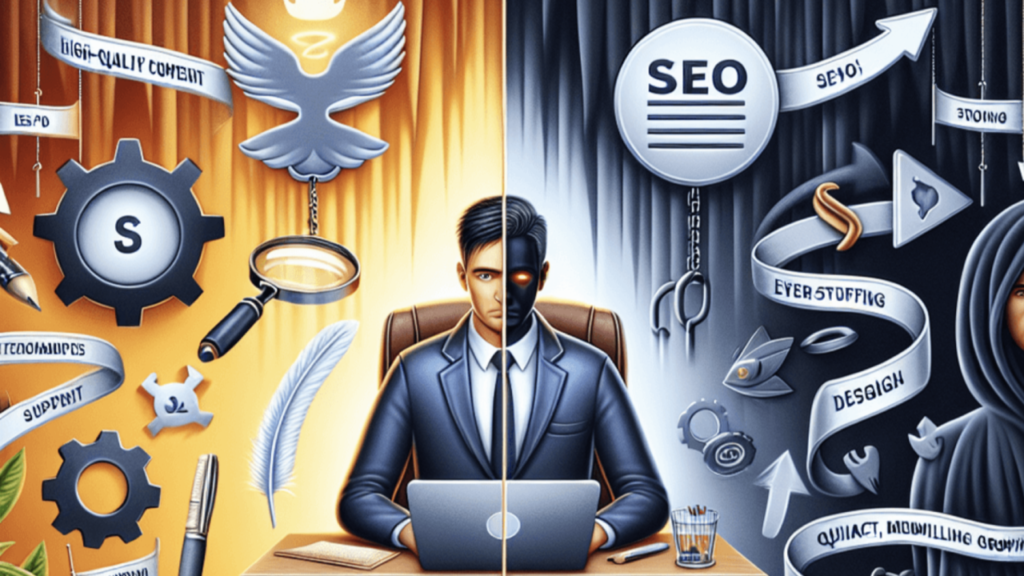
The virtuous cycle of sustainable SEO: ethical practices build trust, which fuels growth, which enables more meaningful work.
Introduction – Why This Matters
For years, the mantra of digital marketing has been “more, faster, cheaper.” This pressure cooker has led to a landscape where content creators are burning out, businesses are stuck on a hamster wheel of meaningless output, and users are drowning in a sea of soulless, AI-generated sludge. The relentless pursuit of algorithmic approval has left many wondering: Is this what my business is for? This article argues for a radical shift in perspective. It’s not about gaming the system; it’s about building a system—a marketing practice—that is sustainable, ethical, and deeply aligned with human purpose. This is SEO for the Soul.
For the curious beginner, this is a lifeline. It’s permission to build a digital presence that feels authentic and manageable. For the seasoned professional, it’s a strategic reset—a framework to replace frantic reaction with intentional action, turning your marketing from a source of stress into a source of stability and pride. In my experience, the strategies that are most sustainable for your mental health and team culture are also, in the long run, the most effective for building lasting brand authority and customer loyalty. This guide will show you how to build a content strategy that feeds your business and your spirit.
Background / Context: The Burnout-Industrial Complex
The modern content marketer is caught in a perfect storm. The demands are endless: produce more blog posts, rank for more keywords, be on every social platform, and now, master AI tools—all while hitting quarterly growth targets. This pressure has given rise to the “burnout-industrial complex,” where quick fixes and shady shortcuts are peddled as solutions. This environment breeds black hat SEO tactics (keyword stuffing, link schemes, AI content spam) that offer short-term gains but risk long-term penalties and brand erosion.
Simultaneously, Google’s algorithm has been on a parallel journey. Updates like the Helpful Content Update (HCU) and the increased emphasis on E-E-A-T (Experience, Expertise, Authoritativeness, Trustworthiness) are a direct response to this low-quality ecosystem. Google isn’t just fighting spam; it’s trying to reward content created for people. The companies that will win in the next decade aren’t those that can churn out the most content, but those that can build the deepest reservoirs of trust and genuine expertise.
The context, therefore, is one of correction. The market is self-correcting against exploitation, and the businesses that will thrive are those that correct their own internal practices toward sustainability. For a deeper understanding of how to approach business with a long-term, strategic mindset, our guide on starting an online business emphasizes foundational principles.
Key Concepts Defined
- Sustainable SEO: An approach to search optimization that prioritizes long-term value, ethical practices, and a manageable pace of work over short-term traffic spikes achieved through exploitative or risky tactics.
- Black Hat SEO: Techniques that violate search engine guidelines to manipulate rankings (e.g., buying links, cloaking, hidden text). These carry high risk of penalties, including complete de-indexing.
- Gray Hat SEO: Practices that operate in a moral and guideline gray area (e.g., aggressive private blog networks, overly optimized guest posting). They may work temporarily but are unstable and erode trust.
- White Hat SEO: Ethical, guideline-compliant practices focused on creating the best possible experience for the human user. This is the foundation of sustainable SEO.
- Content Velocity vs. Content Depth: The false trade-off between publishing frequency and substance. Sustainable strategy chooses depth and value, publishing less often but with greater impact.
- Creator Burnout: A state of emotional, physical, and mental exhaustion caused by prolonged stress and overwork in content creation, leading to cynicism, ineffectiveness, and high turnover.
- Ethical Link Building: Acquiring backlinks through genuine value creation—creating remarkable content, building real relationships, and earning media coverage—rather than through manipulation or payment.
- Psychological Safety in Marketing Teams: A team climate where individuals feel safe to take risks, voice opinions, and admit mistakes without fear of punishment, which is essential for sustainable creativity.
How It Works: The 5-Pillar Framework for Sustainable SEO (Step-by-Step)

This framework moves you from a reactive, output-driven model to a proactive, value-driven system.
Pillar 1: Intent & Impact Over Impressions
Shift your core metric from vanity (traffic, impressions) to value (impact, conversions).
- The “So What?” Test: For every content idea, ask: “If this ranks #1, so what?” Does it answer a critical customer question? Does it lead to a meaningful business action (sign-up, consultation, sale)? If not, shelve it.
- Focus on Funnel Depth: Instead of creating 50 top-of-funnel (TOFU) articles to attract strangers, create 10 incredibly deep, authoritative pillar resources that serve your core audience throughout their journey. Our previous article on building a strategic SEO content funnel dives deeper into this architecture.
- Measure What Matters: Track metrics tied to business health: lead quality, customer lifetime value (LTV) from organic channels, and support ticket reduction due to helpful content.
Pillar 2: The Ethical Content Creation Engine
Build a process that values the creator as much as the creation.
- Embrace “Slow Content”: Adopt a publishing calendar that is ambitious but humane. A bi-weekly, masterpiece-level article is better than five rushed posts. This reduces panic and improves quality.
- Institute Creator-Centric Workflows:
- No Asynchronous Crunch: Respect time zones and working hours. Use project management tools to make deadlines clear without last-minute emergencies.
- Batch Creative Work: Dedicate specific days for deep work (writing, scripting) free from meetings and notifications.
- Utilize AI as an Assistant, Not a Replacement: Use AI for brainstorming outlines, summarizing research, and editing drafts. But final creative direction, unique insights, and emotional resonance must come from a human. For more on this balance, explore our thoughts on artificial intelligence.
- Foster Psychological Safety: Encourage team members to flag unrealistic deadlines, voice creative concerns, and share failures as learning opportunities without blame. This prevents cutting ethical corners under pressure.
Pillar 3: Building Trust, Not Just Links
Adopt a relationship-first approach to link building and authority.
- The “Give Before You Ask” Principle: Before you ever pitch a link, become a valuable member of the community you want links from. Comment thoughtfully on their blogs, share their work, and connect without an agenda.
- Create “Link-Worthy” Assets, Not “Link-Baity” Content: Invest in original research, industry reports, interactive tools, or breathtakingly comprehensive guides. This type of content earns links naturally because it’s genuinely useful, not because it’s cleverly manipulative.
- Transparency in Partnerships: If you engage in guest posting or partnerships, be transparent with the audience. Avoid shady “pay-for-play” link networks. Building a genuine strategic alliance for content is more powerful and sustainable.
Pillar 4: The Sustainable Technical Foundation
A fast, secure, and healthy website is the bedrock of ethical SEO.
- Prioritize Core Web Vitals: A fast, stable, and visually smooth site is a core user experience signal and an ethical obligation to your visitors. Tools like Google PageSpeed Insights are your friend.
- Conduct Regular “Ethical Audits”: Use tools like SEMrush or Ahrefs to find and disavow toxic backlinks that might have accrued naturally. Proactively clean up thin or outdated content on your own site through updates, consolidation, or ethical removal (using 410 or 301 redirects as appropriate).
- Accessibility as an SEO Mandate: Ensure your website is navigable by screen readers, has proper alt text, and uses sufficient color contrast. This isn’t just ethical; it’s a growing ranking factor and opens your content to a wider audience.
Pillar 5: The Anti-Burnout Culture & Cadence
Build a marketing culture that can endure.
- Set Realistic Expectations with Stakeholders: Educate leadership that sustainable SEO is a compound interest strategy, not a get-rich-quick scheme. Share data on the long-term traffic and value of evergreen content versus the short life of “newsjack” pieces.
- Implement “Dark Weeks”: Periodically schedule weeks with no new content publication. Use this time for team training, strategy reflection, content updates, and rest. This prevents creative depletion.
- Celebrate Learning, Not Just Winning: When an experiment fails to rank, analyze it as a team for lessons. This removes the fear of failure that drives people toward guaranteed (but unethical) shortcuts.
Key Takeaway Box: The Sustainable SEO Mindset
You are not building a campaign; you are cultivating a garden. Campaigns have a frenzied launch and an inevitable end. A garden requires consistent, patient care. You plant seeds (ideas), nurture them with quality work, weed out what doesn’t serve (low-value content), and patiently wait for growth. The harvest—steady traffic, loyal customers, a strong brand—feeds you for years, not just one quarter.**
Why It’s Important: The Business and Human Case
Adopting a sustainable SEO strategy is a profound competitive advantage with benefits that ripple across your business.
- Resilience Against Algorithm Updates: A site built on genuine quality and white-hat practices has nothing to fear from Google updates. In fact, it often benefits as spam is cleared away. Your rankings are defensible.
- Attraction and Retention of Top Talent: Marketers want to do meaningful work. A culture that prioritizes sustainability and ethics attracts the best creators and reduces costly turnover fueled by burnout.
- Brand Equity and Customer Loyalty: When you consistently create content that helps without manipulation, you build immense trust. Customers become advocates, and your brand becomes synonymous with integrity in your space.
- Long-Term Cost Efficiency: The “churn and burn” model of content is incredibly expensive when you factor in constant hiring, the cost of penalties, and the lost opportunity of building a lasting asset. Sustainable SEO is an investment with a compounding ROI.
What I’ve found is that the mental energy saved by not constantly worrying about “tricks” or the next Google penalty is immense. That energy can be redirected into deeper customer understanding and more creative work, creating a virtuous cycle of improvement.
Sustainability in the Future

The future of marketing belongs to the sustainable.
- AI Disclosure and Authenticity: As AI content becomes ubiquitous, consumers and search engines will reward radical transparency. Labels like “AI-assisted” or “human-written” could become trust signals. Brands that lean into unique human experience and perspective will stand out.
- Wellbeing Metrics as KPIs: Forward-thinking companies will track team burnout risk and psychological safety scores alongside traffic and conversion metrics, understanding that a healthy team is the ultimate driver of sustainable output.
- The Rise of “B-Corp SEO”: Just as B-Corp certification signals ethical business practices, we may see frameworks or certifications for ethical digital marketing practices, helping consumers identify trustworthy brands.
- Regulation of Dark Patterns: Governments are increasingly regulating deceptive digital practices (e.g., fake countdown timers, disguised ads). An ethical, sustainable strategy is inherently compliant, future-proofing your business against legal risk.
- Community as a Ranking Factor: Google’s “Perspectives” filter highlights forum and social content. Building a genuine, engaged community around your brand (not just broadcasting at them) will become a powerful, sustainable authority signal.
Common Misconceptions
- Misconception 1: “Sustainable means slow, and slow means losing.”
- Reality: Sustainable means strategic speed. You may publish less frequently, but each piece is designed for maximum long-term impact and ROI. You win the marathon while others sprint and collapse in the first mile.
- Misconception 2: “Ethical SEO can’t compete with black hat tactics.”
- Reality: It can’t compete on a 3-month timeline, but it absolutely dominates on a 3-year timeline. Black hat sites are in constant flight-or-fight mode, at risk of complete obliteration. Ethical sites build permanent, valuable assets.
- Misconception 3: “This is just for feel-good startups; real businesses need aggressive tactics.”
- Reality: The most enduring, valuable brands in the world (think Patagonia, Apple in its marketing) are built on principles of quality and trust. Aggressive, short-term tactics erode brand value, which is the most important asset a “real business” has.
- Misconception 4: “If we don’t publish constantly, we’ll be forgotten by the algorithm.”
- Reality: Google’s algorithm remembers quality. A single, evergreen pillar page that gains authority over time will drive more consistent traffic than 100 forgotten blog posts. Focus on the quality and longevity of the signal, not the frequency of the ping.
- Misconception 5: “We can’t afford to think about ‘soul’; we have quarterly targets to hit.”
- Reality: You can’t afford not to. The stress and turnover caused by an unsustainable push to hit quarterly targets will erode your ability to hit annual and multi-year targets. It’s a false economy that sacrifices long-term viability for short-term optics.
Recent Developments (2024-2025)
- Google’s “Helpful Content System” Becomes Core: What was an “update” is now a continuous, real-time system. Sites with large amounts of unhelpful content may see reduced visibility across their entire site, not just on individual pages, raising the stakes for quality.
- The SEO Industry’s Mental Health Crisis: Leading publications like Search Engine Journal are running prominent features on marketer burnout, indicating a industry-wide reckoning with unsustainable practices.
- AI Content Detection Debacle: The failure of reliable AI detectors is pushing the focus away from how content is made and toward the E-E-A-T signals of the creator. This benefits humans who can demonstrate real experience.
- Unionization in Tech & Media: Increased labor organization in adjacent fields is putting pressure on all knowledge-work industries to improve working conditions, making sustainable practices a potential recruitment and retention necessity.
- Ad Blocking and “De-Influencing”: Consumer pushback against manipulative marketing is growing. Authentic, helpful content is the antidote to ad-blockers and skeptical audiences.
Success Stories & Real-Life Examples
Case Study: The Agency That Fired Its Worst Client
A mid-sized SEO agency was perpetually stressed, working late nights to hit unrealistic content volume targets for a large, demanding client using questionable link-building tactics.
- The Breaking Point: Team members began quitting. The remaining staff were demoralized. The agency’s reputation for quality was suffering.
- The Sustainable Pivot: The CEO made a courageous decision: they fired the toxic client, despite the revenue hit. They rebuilt their service around a “Sustainable Growth” package, focusing on depth over breadth, ethical link building, and transparent reporting. They also instituted a 4-day workweek for deep focus.
- The Result: While revenue dipped initially, within a year it surpassed old levels. Employee turnover dropped to zero. They attracted higher-quality clients who valued their principled approach. Their case studies, now based on real sustainable growth, became more powerful sales tools than any pitch deck. They found that building the right business partnership models was key to this new phase.
Real-Life Example: “Wait But Why” (Tim Urban)
The blog “Wait But Why” is a masterclass in sustainable, soulful content. Tim Urban publishes infrequently—sometimes months between posts. But each post is a monumental, deeply researched, illustrated exploration of a topic (e.g., AI, procrastination, religion). He built a massive, loyal audience because he prioritizes staggering depth and unique voice over frequency. He demonstrates that if you create truly exceptional content, the audience will wait for it, and search engines will reward its authority for years.
Conclusion and Key Takeaways

SEO for the Soul is an invitation to reclaim your marketing from the forces of frenzy and fear. It is a commitment to building a digital presence that is as healthy for its creators as it is effective for its bottom line.
Final Takeaways:
- Measure Impact, Not Just Output: Align your goals with business and human value, not vanity metrics. Let this guide your content choices.
- Protect Your Creative Core: Institute processes and a culture that guards against burnout. Your team’s wellbeing is your most important ranking factor.
- Build Trust as Your Primary Asset: Every piece of content, every link, every technical decision should be made through the lens of long-term trust-building with both users and search engines.
- Embrace the Long Game: Accept that sustainable growth is a curve, not a straight line. Have the courage to invest in quality that pays dividends for years.
- Integrity is Your Algorithm: In a world of constant change, your ethical compass is the most reliable guide. Making decisions you’re proud of will, in time, lead to results you can be proud of.
Begin by having an honest conversation with your team or with yourself. What feels unsustainable? What feels soul-crushing? The answer to that question is the first brick to remove as you build a new, enduring foundation. For more on maintaining balance, consider resources on psychological wellbeing.
FAQs
1. How do I convince my boss or clients to adopt a slower, sustainable approach?
Frame it as risk mitigation and asset building. Show them case studies of penalties from black-hat tactics. Present the data on customer lifetime value from trusted brands vs. transactional ones. Calculate the hidden costs of employee turnover. Propose a pilot project on one topic cluster to demonstrate the long-term traffic and lead quality of a depth-focused approach.
2. Isn’t all SEO inherently manipulative?
There’s a spectrum. Manipulation is about tricking the algorithm for your gain at the user’s expense. Optimization is about clearly signaling your content’s value to the algorithm so it can be shown to users who will genuinely benefit. The former is parasitic; the latter is symbiotic.
3. How do I deal with the anxiety of competitors using black hat tactics and winning (in the short term)?
Conduct a “Serenity Audit.” List what your competitors are doing that you cannot control (their tactics). Then list what you can control: the quality of your content, your site’s user experience, your ethical outreach. Focus your energy exclusively on the second list. Their house of cards will fall; your foundation of stone will remain.
4. What does a “sustainable” content calendar actually look like?
It varies, but a humane model for a small team might be: One “Foundation” piece per month (a major pillar page or research report). Two “Support” pieces per month (cluster blog posts, case studies). Weekly “Engagement” tasks (social shares, community interaction, email newsletters). This balances deep work with consistent presence.
5. Can a small business with no SEO team do this?
Absolutely. In fact, it’s easier. A solo entrepreneur can focus on creating one magnificent piece of content every quarter that showcases their unique experience, rather than trying to mimic the output of a large team. Their authenticity is their greatest SEO asset.
6. How do I ethically build links without a big PR budget?
- The “Skyscraper” Technique 2.0: Find a good article in your niche, create something definitively better (more data, better design, more current), and then ethically outreach to people who linked to the original to suggest your superior resource.
- Create a Public Resource: A free, useful tool or calculator in your niche can earn natural links for years.
- Harness Your Network: Partner with non-competing businesses in your community for cross-promotion, a strategy explored in our partnership guide.
7. What’s the first sign my strategy is becoming unsustainable?
When speed and quantity consistently win arguments over quality and impact in planning meetings. When your team regularly uses the phrase “just ship it” about unfinished work. When people are afraid to take time off. These are cultural red flags that must be addressed.
8. How does this relate to product-led growth or other business models?
Sustainable SEO is a mindset that can apply to any go-to-market motion. For a product-led company, it might mean creating incredibly helpful documentation and tutorials (instead of hype-driven launch content). The core principle is the same: build trust by being genuinely helpful, not manipulative.
9. What if my industry is just inherently “sleazy”? Can I still do this?
You can, and you must. Being the one ethical, trustworthy voice in a sleazy industry is a monumental competitive advantage. You will attract customers who are tired of being lied to and who value transparency. Your content can call out bad practices (diplomatically) and educate the market.
10. How do I handle the pressure from tools that constantly show me “ranking opportunities” I’m missing?
Remember: tools are designed to show you gaps, not priorities. Not every keyword gap is a business opportunity. Use tool data to inform your strategy, not dictate it. Filter opportunities through your “Intent & Impact” pillar (Pillar 1). If chasing a keyword doesn’t serve your core audience or business goal, let it go.
11. Is it ethical to update old content to keep it ranking?
It’s not just ethical; it’s a best practice. Keeping your information accurate and current is a service to your audience. Google rewards fresh, maintained content. This is the opposite of a black-hat tactic; it’s responsible stewardship of your digital property.
12. How can I create “soulful” content in a boring B2B industry?
Soul isn’t about topic; it’s about perspective. What unique experience does your team have? What hard-won lessons can you share? What common frustrations in your industry can you articulate and solve? A B2B case study written with honesty about the challenges faced has more soul than a generic, boastful press release.
13. What role does design play in sustainable SEO?
A huge role. Good design reduces cognitive load, improves accessibility, and increases engagement—all positive user signals. Investing in a clean, fast, beautiful website is an ethical choice that respects your visitor’s time and attention.
14. How do I scale a sustainable strategy as my company grows?
Scale through systems and delegation, not through increased individual burden. Document your ethical guidelines and quality standards. Hire for values alignment. Use project management to keep workflows smooth. Protect the culture that made you successful.
15. Where can I find a community of other sustainable marketers?
Look for communities and thought leaders who focus on content quality, ethical marketing, and brand building over “growth hacking.” Specific forums, Slack groups, and LinkedIn communities dedicated to these principles are growing. Start by following the voices that resonate with this article’s philosophy.
16. How do I balance SEO best practices with authentic, non-optimized writing?
Write for the human first, then optimize subtly. Draft your content to flow naturally and serve the reader. Then, in the editing phase, see where you can naturally include a target keyword in the title, an H2, and the body. The goal is to make the optimization invisible to the reader.
17. What if my sustainable approach doesn’t work as fast as promised?
Conduct a rigorous audit. Is the content truly high-quality and unique? Are you promoting it effectively? Are you in a hyper-competitive niche where patience is paramount? Sustainable SEO works, but it requires patience and skill. Seek mentorship or a peer review if you’re stalled.
18. How does this approach work with paid advertising?
Perfectly. Sustainable SEO builds the foundational trust and brand authority. Paid advertising (like ethical, well-targeted PPC) can then amplify your best, most helpful content to a wider audience, accelerating the growth of an asset you own. They work in harmony.
19. Isn’t ignoring some black-hat tactics leaving money on the table?
It’s not leaving money on the table; it’s avoiding a future debt. The “money” from black-hat tactics is a short-term loan with catastrophic interest—the risk of penalty, brand damage, and the loss of all future organic revenue. Ethical SEO is building equity in a property you own forever.
20. What’s the single most important daily habit for sustainable SEO?
Protect your focus time. Every day, block at least 90 minutes of uninterrupted time for deep, creative work. Turn off notifications, close your email, and work on the content that matters. This habit alone prevents the frantic, reactive mode that leads to burnout and low-quality output.
About the Author
Sana Ullah Kakar is a content strategist and ethical marketing advocate. After a decade in high-pressure agency environments that led to personal burnout, Casey now consults with companies to build marketing practices that are both effective and humane. They write and speak extensively on the intersection of digital ethics, workplace wellbeing, and sustainable business growth. Learn more about our core focus areas at World Class Blogs.
Free Resources
- Sustainable SEO Policy Template: A document to formalize your team’s commitment to ethical practices.
- Content Ideation Scorecard: A worksheet to score content ideas based on impact, sustainability, and ethical alignment.
- Team Burnout Risk Checklist: A simple assessment to gauge the sustainability of your current workflow.
- Ethical Link-Building Outreach Templates: Polite, value-first email templates for building genuine connections.
(These resources are available to our community. Please visit our contact page to request the access link.)
Discussion
We want to hear from you!
- What’s the most unsustainable practice you’ve had to unlearn in your marketing career?
- How do you personally guard against burnout in a demanding digital role?
- Have you ever taken an ethical stand on an SEO or marketing tactic? What was the outcome?
- What does “SEO for the Soul” mean to you in practice?
Share your stories, your struggles, and your hopes for a better way to work. Let’s build a more humane digital world, together.