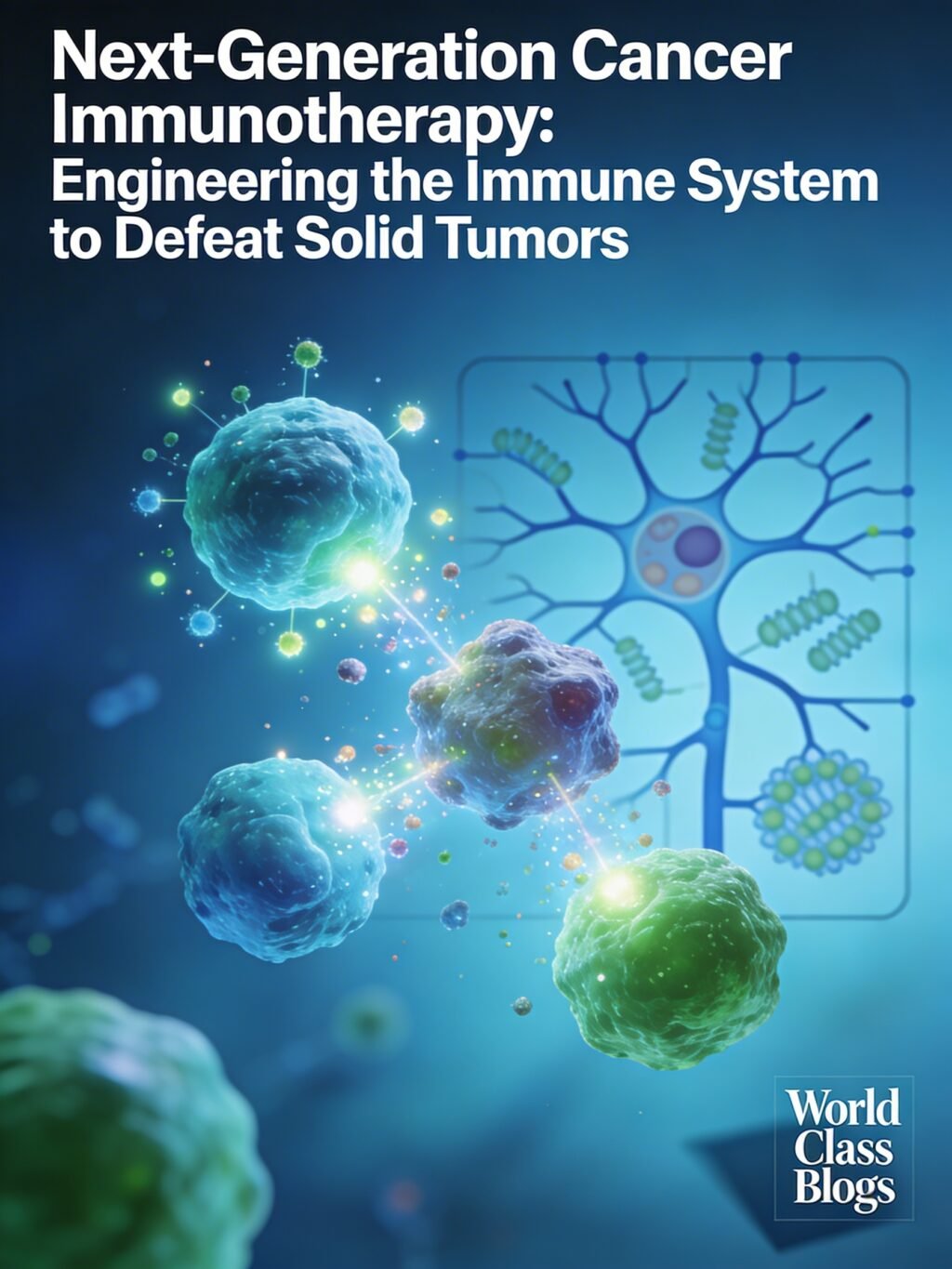
Next-Generation Cancer Immunotherapy: Engineering the Immune System to Defeat Solid Tumors
Explore how next-generation cancer immunotherapy is overcoming resistance in solid tumors. Evidence-based guide to CAR-T engineering, combination strategies, and tumor microenvironment reprogramming. Updated for 2026. cancer immunotherapy, CAR-T therapy, solid tumors, tumor microenvironment, immune checkpoint inhibitors, armored CAR-T cells, tumor-infiltrating lymphocytes, bispecific antibodies, cancer vaccines, oncolytic viruses, immunotherapy resistance, cold tumors, hot tumors, immuno-oncology, precision immunotherapy, myeloid-derived suppressor cells, regulatory T cells, cancer-associated fibroblasts, I-PREDICT study, UCLA armored CAR-T, glioblastoma immunotherapy, ovarian cancer immunotherapy, pancreatic cancer immunotherapy, ctDNA monitoring, why doesn’t immunotherapy work for solid tumors, armored CAR-T cells for glioblastoma, reprogramming tumor microenvironment, converting cold tumors to hot, immunotherapy combination strategies 2026
The tumor microenvironment creates multiple barriers to immunotherapy—immunosuppressive cells, physical barriers, and metabolic competition all protect cancer cells from immune attac
Introduction – Why This Matters
In my experience as an oncology science writer who has followed the immunotherapy revolution for more than a decade, I’ve witnessed both extraordinary successes and heartbreaking limitations. I remember vividly the first time I heard about a patient with metastatic melanoma who, given months to live, experienced complete remission after receiving checkpoint inhibitors. Stories like that felt miraculous—and they were.
What I’ve found is that those miracles, while real, have been unevenly distributed. Immunotherapy has transformed outcomes for some cancers—melanoma, lung cancer, certain blood cancers—but for many others, particularly solid tumors like pancreatic cancer, glioblastoma, and ovarian cancer, the response rates remain frustratingly low. The immune system, it turns out, can be unleashed, but it can also be outmaneuvered.
The numbers tell a sobering story. While immune checkpoint inhibitors have achieved durable responses in 20-40% of patients with certain cancers, the majority of patients with advanced solid tumors either don’t respond initially or develop resistance over time. CAR-T cell therapy has achieved remarkable success in blood cancers like B-cell acute lymphoblastic leukemia, with complete remission rates exceeding 80% in some studies—but solid tumors have remained largely resistant.
The reason for this disparity lies in the tumor microenvironment (TME), a complex ecosystem that tumors construct to protect themselves from immune attack. Within solid tumors, cancer cells don’t exist in isolation—they’re surrounded by stromal cells, blood vessels, and a host of immunosuppressive immune cells that actively block antitumor immunity. The TME creates a physical and biochemical barrier that renders even the most potent immune cells ineffective.
But 2026 is witnessing a paradigm shift. Next-generation cancer immunotherapies are being engineered specifically to overcome these barriers. Researchers are designing “armored” CAR-T cells that can function in hostile environments. They’re developing combination strategies that reprogram the TME from immunosuppressive to immunostimulatory. They’re creating cancer vaccines that expand the universe of targets beyond traditional antigens. And they’re using artificial intelligence to predict which patients will respond and to design personalized interventions.
This guide will walk you through everything you need to know about next-generation cancer immunotherapy—how the tumor microenvironment thwarts immune attack, what engineering strategies are overcoming resistance, how combination approaches are transforming outcomes, and where this field is heading. Whether you’re someone affected by cancer, a healthcare professional seeking to understand emerging approaches, or simply interested in the frontiers of medicine, this article will give you a comprehensive, practical understanding of cancer immunotherapy in 2026.
Background / Context
The Immunotherapy Revolution: Where We’ve Been
The story of modern cancer immunotherapy begins with immune checkpoint inhibitors. These drugs—targeting PD-1, PD-L1, and CTLA-4—release the “brakes” on the immune system, allowing T cells to attack tumors. The first checkpoint inhibitor, ipilimumab, was approved in 2011 for metastatic melanoma. Since then, dozens of approvals have followed across multiple cancer types.
Checkpoint inhibitors work by blocking signals that tumors use to suppress T cells. Many tumors express PD-L1, which binds to PD-1 on T cells and turns them off. By blocking this interaction, checkpoint inhibitors reinvigorate exhausted T cells, enabling them to resume their attack.
The success has been remarkable. Some patients with metastatic melanoma, once nearly uniformly fatal, now experience durable remissions lasting years. Lung cancer, kidney cancer, bladder cancer, and many others have seen improved outcomes.
But the limitations became clear quickly. Only a subset of patients responds. Some tumors are “cold”—they lack infiltrating T cells and are invisible to the immune system. Others have T cells present but rendered dysfunctional by the immunosuppressive tumor microenvironment. Even among responders, resistance can develop over time.
CAR-T Therapy: Blood Cancer Success, Solid Tumor Challenge
Chimeric antigen receptor (CAR)-T cell therapy represents another immunotherapy pillar. Here, a patient’s own T cells are harvested, genetically engineered to recognize cancer cells, expanded in the laboratory, and infused back into the patient.
In blood cancers, CAR-T has been transformative. Approved therapies targeting CD19 have achieved complete remission rates of 80-90% in B-cell acute lymphoblastic leukemia and high response rates in lymphoma. The approach works because blood cancers express uniform, accessible targets and lack the protective tumor microenvironment of solid tumors.
Solid tumors have proven far more challenging. Barriers include:
- Heterogeneous antigen expression: Not all cancer cells express the same target
- Immunosuppressive microenvironment: Regulatory T cells, myeloid-derived suppressor cells, and other populations actively suppress CAR-T function
- Physical barriers: Dense stroma and abnormal vasculature limit T cell infiltration
- Metabolic competition: Tumors consume glucose and other nutrients, starving T cells
- Hypoxia: Low oxygen levels impair T cell function
Understanding the Tumor Microenvironment
The tumor microenvironment has emerged as the central battleground in cancer immunotherapy. The TME is not a passive backdrop but an active participant in tumor progression and immune evasion.
Key components of the immunosuppressive TME include:
Regulatory T cells (Tregs): These cells normally prevent autoimmunity but are co-opted by tumors to suppress antitumor immune responses. Tregs accumulate in many solid tumors and inhibit effector T cells through multiple mechanisms.
Myeloid-derived suppressor cells (MDSCs): A heterogeneous population of immature myeloid cells that potently suppress T cell function through arginase production, reactive oxygen species, and other mechanisms.
Tumor-associated macrophages (TAMs): Macrophages within tumors often adopt an M2-like phenotype that promotes tumor growth and suppresses immunity rather than attacking cancer cells.
Cancer-associated fibroblasts (CAFs): These cells produce an extracellular matrix that physically excludes T cells and secrete factors that promote immunosuppression.
Metabolic competition: Tumors undergo Warburg metabolism, consuming glucose and producing lactate, creating an acidic, nutrient-deprived environment that impairs T cell function. Indoleamine 2,3-dioxygenase (IDO) activity depletes tryptophan, an essential amino acid for T cells.
Hypoxia: Low oxygen levels upregulate immune checkpoints like PD-L1 and recruit immunosuppressive cells.
The 2026 Landscape
As of 2026, next-generation immunotherapies are being designed specifically to overcome these barriers. The field has moved beyond simple checkpoint blockade to sophisticated engineering approaches:
Armored CAR-T cells: Next-generation CAR-T cells are engineered to secrete cytokines, block immunosuppressive signals, or resist exhaustion, enabling them to function within the hostile TME.
Combination strategies: Rather than single agents, modern immunotherapy uses rational combinations targeting multiple resistance mechanisms simultaneously.
Personalized vaccines: Cancer vaccines are moving from off-the-shelf to personalized, targeting neoantigens unique to each patient’s tumor.
TME-reprogramming agents: Drugs targeting CAFs, MDSCs, and other TME components are entering clinical trials, aiming to convert “cold” tumors to “hot.”
Predictive biomarkers: Advanced molecular profiling and AI are identifying which patients will benefit from which immunotherapies, moving toward truly personalized immunotherapy.
Key Concepts Defined
Before diving deeper, let’s establish clear definitions of essential immunotherapy terminology. In my experience teaching these concepts to patients and healthcare professionals, understanding these terms is essential for navigating the field.
Immune Checkpoint Inhibitors: Drugs that block inhibitory receptors on T cells (PD-1, CTLA-4) or their ligands (PD-L1), releasing the “brakes” on antitumor immunity. Examples include pembrolizumab, nivolumab, and ipilimumab.
CAR-T Cell Therapy: A personalized treatment where a patient’s T cells are harvested, genetically engineered to express a chimeric antigen receptor recognizing a tumor antigen, expanded in the lab, and reinfused.
Tumor Microenvironment (TME): The complex ecosystem surrounding a tumor, including cancer cells, stromal cells, blood vessels, immune cells, and extracellular matrix. The TME plays a critical role in tumor progression and immunotherapy resistance.
Armored CAR-T Cells: Next-generation CAR-T cells engineered with additional features to enhance their function in the tumor microenvironment, such as secreting cytokines, resisting exhaustion, or blocking immunosuppressive signals.
Cold vs. Hot Tumors: “Hot” tumors have abundant infiltrating T cells and an inflammatory signature, making them more responsive to immunotherapy. “Cold” tumors lack T cell infiltration and are generally resistant. Converting cold tumors to hot is a major therapeutic goal.
Tumor-Infiltrating Lymphocytes (TILs): Immune cells that have migrated into tumors. The presence and composition of TILs predict immunotherapy response.
Myeloid-Derived Suppressor Cells (MDSCs): A heterogeneous population of immature myeloid cells that potently suppress T cell function and accumulate in tumors.
Regulatory T Cells (Tregs): A subset of CD4+ T cells that suppress immune responses. Tumors recruit Tregs to protect themselves from immune attack.
Neoantigen: A mutation-derived protein fragment unique to a patient’s tumor that can be recognized by the immune system as foreign. Personalized cancer vaccines target neoantigens.
Oncolytic Viruses: Viruses engineered to selectively infect and kill cancer cells while stimulating antitumor immunity.
Bispecific Antibodies: Engineered antibodies that bind two different targets simultaneously—for example, binding both a tumor antigen and a T cell receptor, bringing T cells into contact with cancer cells.
Matching Score: A metric used in precision oncology trials to quantify how well a patient’s tumor molecular profile matches the therapies they receive. Higher matching scores correlate with improved outcomes.
Molecular Tumor Board (MTB): A multidisciplinary team of experts that reviews molecular profiling data to recommend personalized treatment strategies.
Microsatellite Instability (MSI): A biomarker of defective DNA mismatch repair that predicts response to checkpoint inhibitors across multiple cancer types.
Tumor Mutational Burden (TMB): The number of mutations in a tumor, which correlates with neoantigen load and predicts immunotherapy response in some cancer types.
How Next-Generation Immunotherapy Works (Step-by-Step Breakdown)
Understanding how next-generation immunotherapy overcomes solid tumor resistance requires looking at multiple engineering strategies and how they interact with the tumor microenvironment. Let me walk you through the major approaches.
Step 1: Characterizing the Tumor and Its Microenvironment
The first step in modern immunotherapy is comprehensive characterization of the tumor and its immune context.
Molecular Profiling: Next-generation sequencing identifies mutations, gene expression patterns, and potential targets. The I-PREDICT study demonstrated that patients with advanced cancers have unique molecular landscapes—approximately 95% of patients had unique combinations of alterations, underscoring the need for personalized approaches.
Immune Profiling: Analysis of tumor-infiltrating lymphocytes, checkpoint expression, and immunosuppressive cell populations reveals whether a tumor is “hot” or “cold” and identifies specific resistance mechanisms.
Spatial Analysis: Technologies like multiplex immunofluorescence reveal the spatial relationships between cancer cells and immune cells—whether T cells are excluded from tumor nests, trapped in stroma, or actively engaging cancer cells.
Microenvironment Characterization: Assessment of cancer-associated fibroblasts, myeloid-derived suppressor cells, regulatory T cells, and metabolic features (hypoxia, nutrient availability) identifies targets for intervention.
Step 2: Engineering CAR-T Cells for Solid Tumors
For patients receiving CAR-T therapy, next-generation engineering adds features specifically designed to overcome solid tumor barriers.
Target Selection: Identifying appropriate antigens is challenging in solid tumors due to heterogeneity and risk of on-target/off-tumor toxicity. Targets like HER2, mesothelin, and B7-H3 are being explored.
Armored CAR Design: UCLA researchers have developed CAR-T cells engineered to secrete VEGF-blocking single-chain variable fragments (scFvs). This approach serves two purposes:
- The CAR-T cells attack cancer cells directly
- The secreted VEGF blockers normalize tumor vasculature and dismantle the immunosuppressive microenvironment
In preclinical studies, these armored CAR-T cells completely eliminated tumors in 63-88% of mice with aggressive glioma, compared to 0-38% with standard CAR-T cells. Importantly, conventional CAR-T therapy worsened tumor blood vessels and exacerbated hypoxia, while armored CAR-T cells prevented these harmful effects.
Cytokine-Secreting CARs: Some next-generation CAR-T cells are engineered to secrete cytokines like IL-12 or IL-18 that recruit and activate endogenous immune cells, creating a broader antitumor response.
Exhaustion-Resistant CARs: Chronic antigen exposure in solid tumors can exhaust CAR-T cells. Engineering to resist exhaustion—through modified signaling domains or knockout of exhaustion-related genes—prolongs CAR-T function.
Safety Switches: To manage potential toxicity, armored CAR-T cells include safety mechanisms—suicide genes that allow elimination of CAR-T cells if severe adverse effects occur.
Step 3: Reprogramming the Tumor Microenvironment
Rather than targeting cancer cells alone, next-generation immunotherapy aims to reprogram the entire TME.
Vascular Normalization: Tumors create abnormal, leaky blood vessels that impair immune cell infiltration. VEGF-blocking strategies—whether through systemic antibodies or CAR-T-delivered scFvs—normalize vasculature, improving T cell access and reducing hypoxia.
Stromal Disruption: Cancer-associated fibroblasts create a dense matrix that excludes T cells. Therapies targeting CAFs (FAP inhibitors, Hedgehog pathway inhibitors) can remodel the stroma, allowing T cell infiltration.
Myeloid Cell Reprogramming: Rather than eliminating myeloid-derived suppressor cells (which may have beneficial functions elsewhere), newer approaches reprogram them from immunosuppressive to immunostimulatory phenotypes. Agents targeting PI3Kγ, CSF-1R, and other myeloid regulators are in development.
Metabolic Modulation: Tumors compete with T cells for glucose and other nutrients. Therapies targeting tumor metabolism (MCT1/4 inhibitors, IDO inhibitors) can reduce metabolic competition, leaving more resources for T cells.
Hypoxia Relief: Normalizing tumor vasculature reduces hypoxia, which in turn decreases PD-L1 expression and reduces recruitment of immunosuppressive cells.
Step 4: Combination Strategies
Single agents rarely overcome all resistance mechanisms. Rational combinations attack multiple barriers simultaneously.
Checkpoint Inhibitors + TME Modulators: Adding agents that target MDSCs, Tregs, or CAFs can convert checkpoint inhibitor non-responders to responders.
CAR-T + Checkpoint Inhibition: CAR-T cells can be engineered to resist PD-1 inhibition, or checkpoint inhibitors can be administered alongside CAR-T to prevent exhaustion.
Oncolytic Viruses + Immunotherapy: Viruses that selectively infect tumor cells not only kill cancer cells directly but also release danger signals that activate antitumor immunity, potentially converting cold tumors to hot.
Radiation + Immunotherapy: Radiation induces immunogenic cell death, releasing tumor antigens and danger signals that can synergize with checkpoint inhibitors.
Personalized Vaccines + Checkpoint Blockade: Vaccines prime new T cell responses; checkpoint inhibitors prevent those T cells from being suppressed.
Step 5: Monitoring and Adaptation
Next-generation immunotherapy includes continuous monitoring to assess response and detect emerging resistance.
Circulating Tumor DNA (ctDNA): Liquid biopsies can detect molecular residual disease (MRD) before clinical recurrence, enabling early intervention. The FDA is increasingly accepting ctDNA dynamics as surrogate endpoints in clinical trials.
Immune Monitoring: Serial assessment of T cell populations, cytokine levels, and TME composition reveals whether the desired immune activation is occurring and whether resistance mechanisms are emerging.
Adaptive Trial Designs: Platform trials like Lung-MAP and FOCUS4 allow multiple experimental arms, with patients assigned based on molecular profiles and switched as resistance develops.
Why It’s Important
Addressing the Unmet Need in Solid Tumors
The most compelling argument for next-generation immunotherapy is the vast unmet need in solid tumors. While checkpoint inhibitors and CAR-T have transformed outcomes for some cancers, the majority of patients with advanced solid tumors still face limited options.
Pancreatic cancer remains almost uniformly fatal, with 5-year survival below 10%. Immunotherapy has shown minimal activity. Glioblastoma has a median survival of 15 months despite aggressive therapy. Ovarian cancer frequently recurs and becomes resistant to chemotherapy. Microsatellite-stable colorectal cancer—the vast majority of cases—does not respond to checkpoint inhibitors.
These are not rare exceptions—they are among the most common and deadly cancers. Next-generation immunotherapy aims to bring the benefits of immunotherapy to these patients.
The Scientific Opportunity
Solid tumors represent the next frontier in immuno-oncology. Understanding why some tumors resist immune attack is revealing fundamental principles of cancer biology and immunology.
The tumor microenvironment is not just a barrier to immunotherapy—it’s a window into how cancers evolve, how they co-opt normal physiological processes, and how they adapt to selective pressures. Every mechanism of resistance identified becomes a potential therapeutic target.
The Potential for Durable Responses
One of the most remarkable features of immunotherapy is its potential for durable responses—even cures—in patients with metastatic disease. Unlike chemotherapy, which typically produces temporary responses, immunotherapy can generate immunological memory that provides long-term protection.
The goal of next-generation immunotherapy is to extend this potential to more patients and more cancer types. If we can overcome the barriers in pancreatic cancer, glioblastoma, and other resistant tumors, we could transform outcomes for millions of patients.
Economic and Health System Implications
Immunotherapy is expensive, but durable responses that prevent years of treatment can be cost-effective. A patient who achieves long-term remission with a single course of CAR-T therapy may require far fewer healthcare resources than one who cycles through multiple lines of chemotherapy.
More importantly, effective immunotherapy could reduce the need for other interventions—surgeries, radiation, hospitalizations—that consume healthcare resources and diminish quality of life.
Sustainability in the Future
Scientific Sustainability
The scientific sustainability of next-generation immunotherapy depends on continued progress across multiple fronts:
Understanding Resistance Mechanisms: As new therapies are developed, tumors will evolve new resistance mechanisms. Ongoing research into primary and acquired resistance is essential.
Biomarker Development: Better biomarkers are needed to match patients to therapies and to detect emerging resistance early. The FDA is working to credential surrogate endpoints like ctDNA dynamics.
Platform Technologies: Rather than developing bespoke therapies for each indication, platform technologies (CAR-T, bispecific antibodies, oncolytic viruses) can be adapted to multiple targets and cancer types.
Preclinical Models: Improved models that recapitulate the human TME are needed to test combination strategies before clinical trials.
Clinical Sustainability
Integrating next-generation immunotherapy into clinical practice faces practical challenges:
Manufacturing Complexity: CAR-T therapy remains complex and expensive, requiring specialized facilities and weeks of manufacturing time. Off-the-shelf allogeneic CAR-T products could address this.
Toxicity Management: Immunotherapy toxicities—cytokine release syndrome, immune effector cell-associated neurotoxicity syndrome, autoimmune complications—require specialized management capabilities.
Cost and Access: High costs limit access. Value-based pricing, outcomes-based agreements, and technology transfer to low-resource settings are being explored.
Healthcare System Capacity: Delivering complex immunotherapies at scale requires trained personnel, appropriate facilities, and integrated care pathways.
Economic Sustainability
The economics of immunotherapy remain challenging:
Manufacturing Costs: Cell therapies are expensive to manufacture. Automation and process improvements are reducing costs.
Pricing Pressure: High-cost therapies face increasing scrutiny. Demonstrating long-term value and developing innovative payment models is essential.
Combination Costs: Rational combinations multiply costs. Identifying which patients need combinations and which respond to single agents is critical.
Ethical Sustainability
Next-generation immunotherapy raises important ethical considerations:
Equity and Access: If life-saving immunotherapies are available only in wealthy countries or at elite centers, global health disparities will widen.
Informed Consent: For novel therapies with uncertain outcomes, ensuring patients truly understand benefits, risks, and alternatives is essential.
End-of-Life Considerations: Immunotherapy can produce delayed responses, but it can also prolong suffering in patients who will ultimately progress. Knowing when to stop is as important as knowing when to start.
Common Misconceptions
In my experience discussing immunotherapy with patients, colleagues, and even fellow researchers, several misconceptions recur. Let me address them directly.
Misconception 1: “Immunotherapy works for all cancers.”
Immunotherapy has transformed outcomes for some cancers but has limited activity in others. Melanoma, lung cancer, and certain blood cancers can respond dramatically. Pancreatic cancer, glioblastoma, and microsatellite-stable colorectal cancer remain largely resistant—though next-generation approaches aim to change this.
Misconception 2: “CAR-T therapy works as well in solid tumors as in blood cancers.”
CAR-T has been remarkably successful in blood cancers like leukemia and lymphoma, with complete remission rates exceeding 80% in some studies. Solid tumors have proven far more resistant due to the immunosuppressive tumor microenvironment, antigen heterogeneity, and physical barriers.
Misconception 3: “If one immunotherapy doesn’t work, none will.”
Different immunotherapies target different mechanisms. A patient who doesn’t respond to checkpoint inhibitors might respond to CAR-T, or to a combination that includes TME-targeting agents. Resistance is often mechanism-specific, not universal.
Misconception 4: “The tumor microenvironment is just a passive barrier.”
The TME is an active, dynamic ecosystem that tumors construct to protect themselves. It includes immunosuppressive cells, metabolic competition, physical barriers, and signaling molecules that actively block immune attack. Reprogramming the TME is a therapeutic strategy, not just a passive obstacle.
Misconception 5: “Combination therapy is always better than single agents.”
While combinations can overcome multiple resistance mechanisms, they also multiply toxicity and cost. The goal is to identify which patients need combinations and which respond to simpler approaches. Not all combinations are rational or beneficial.
Misconception 6: “Immunotherapy is too toxic to be worthwhile.”
Immunotherapy toxicities are real and can be severe, but they’re generally manageable in experienced centers. The risk-benefit ratio depends on the individual patient, their cancer, and available alternatives. For many patients with otherwise fatal cancers, the benefits outweigh the risks.
Misconception 7: “Biomarkers can perfectly predict who will respond.”
Biomarkers like PD-L1 expression, tumor mutational burden, and microsatellite instability improve patient selection but are not perfect. Some biomarker-negative patients respond; some biomarker-positive patients don’t. Multimodal models integrating multiple data types are improving prediction.
Misconception 8: “Once you develop resistance, immunotherapy can never work again.”
Resistance can be overcome by switching mechanisms. A patient who progresses on checkpoint inhibitors might respond to CAR-T, or to a different combination targeting the specific resistance mechanism that emerged.
Recent Developments (2025-2026)
Armored CAR-T Breakthroughs
The past 18 months have seen dramatic advances in CAR-T engineering for solid tumors:
UCLA VEGF-Blocking CAR-T: Researchers developed CAR-T cells engineered to secrete VEGF-blocking antibody fragments, enabling them to both attack cancer cells and normalize tumor vasculature. In preclinical studies of glioblastoma and ovarian cancer, these armored cells eliminated tumors in 63-88% of mice, compared to 0-38% with standard CAR-T.
Mechanistic Insights: The study revealed that conventional CAR-T therapy worsened tumor blood vessels and exacerbated hypoxia, while armored CAR-T prevented these harmful effects and recruited endogenous immune cells to fight cancer.
Clinical Translation: Multiple armored CAR-T programs have entered or are preparing for clinical trials, targeting glioblastoma, ovarian cancer, and other resistant solid tumors.
TME-Targeting Strategies
Understanding of the tumor microenvironment has translated into new therapeutic approaches :
Metabolic Targeting: Clinical trials are testing MCT1/4 inhibitors to block lactate export, IDO inhibitors to restore tryptophan availability, and glutamine antagonists to starve tumors while sparing T cells.
Stromal Disruption: Cancer-associated fibroblast inhibitors (FAP-targeting agents) are being combined with checkpoint inhibitors to improve T cell infiltration.
Myeloid Reprogramming: PI3Kγ inhibitors that reprogram myeloid-derived suppressor cells from immunosuppressive to immunostimulatory phenotypes have shown promise in early trials.
Precision Oncology Advances
The I-PREDICT study published final results demonstrating that higher matching scores—more comprehensive targeting of a patient’s unique molecular alterations—correlate with improved outcomes.
Among 210 evaluable patients with advanced cancers, those with matching scores >50% had a median progression-free survival of 7.2 months versus 3.1 months for those with lower scores. Importantly, 95% of patients had unique molecular landscapes, underscoring the need for personalized approaches.
The study administered 157 different regimens, including 103 personalized combinations without established safety data—demonstrating that n-of-1 treatment strategies can be safely implemented with careful dose titration.
Liquid Biopsy Integration
Liquid biopsy technologies have matured, enabling earlier detection and monitoring :
Multi-Cancer Early Detection: GC Genome’s iCancerSearch, validated in over 8,400 individuals, achieved 79.7% sensitivity and 95.5% specificity for cancer detection, with stage-weighted sensitivity of 80.2%.
Fragmentomics: Beyond mutation detection, fragmentomic and methylation features preserve tissue context, supporting tissue-of-origin inference and risk stratification.
MRD Monitoring: Circulating tumor DNA detection of molecular residual disease enables earlier intervention before clinical recurrence.
AI in Pathology and Diagnosis
Artificial intelligence is transforming cancer diagnosis and biomarker assessment :
Autonomous Cytopathology: A clinical-grade AI system using whole-slide edge tomography achieved AUC values exceeding 0.99 for detecting cervical lesions at the single-cell level and 0.89-0.97 at the slide level.
MMR Detection: Vision-language models like ChatGPT-4.0 and Gemini 2.5 Pro achieved 100% specificity for detecting mismatch repair proficiency in colorectal cancer, though sensitivity for deficiency was lower, highlighting the importance of internal positive controls.
CRISPR Screens Identify Resistance Mechanisms
Whole-genome CRISPR screens in tumor-immune co-cultures identified CHD1 and MAP3K7 loss as mediators of immunotherapy sensitivity. Tumors deficient in these genes showed enhanced response to checkpoint inhibitors, nominating them as potential biomarkers.
Success Stories
Case Study 1: Armored CAR-T in Preclinical Glioblastoma
Glioblastoma is one of the most treatment-resistant cancers, with a median survival of just 15 months despite aggressive therapy. Immunotherapy has shown minimal activity due to the profoundly immunosuppressive tumor microenvironment.
UCLA researchers tested armored CAR-T cells engineered to secrete VEGF-blocking antibody fragments in multiple mouse models of aggressive glioma. The results were striking: armored CAR-T completely eliminated tumors in 63-88% of mice, while standard CAR-T had few or no complete responses (0-38%).
What I’ve found remarkable is the mechanistic insight. Conventional CAR-T therapy actually worsened tumor blood vessels and increased hypoxia—making the microenvironment even more hostile. Armored CAR-T normalized vasculature, relieved hypoxia, and recruited endogenous immune cells to join the fight.
While still preclinical, this work demonstrates that engineering CAR-T cells to modify the tumor microenvironment—not just attack cancer cells—can overcome barriers that have long frustrated solid tumor immunotherapy.
Case Study 2: The I-PREDICT N-of-1 Precision Oncology Trial
The I-PREDICT study, conducted at UC San Diego, tested whether matching patients to personalized combination therapies based on their unique molecular profiles could improve outcomes.
Among 210 evaluable patients with advanced metastatic cancers, the study administered 157 different regimens—including 103 combinations that had never been tested in phase I trials. By carefully titrating doses and using molecular tumor board recommendations, the approach proved feasible and safe, with only 6.5% experiencing severe drug-related toxicities (compared to 15.5% with established regimens).
What excites me is the dose-response relationship: patients whose therapies matched more of their tumors’ molecular alterations had significantly better outcomes. Higher matching scores correlated with longer progression-free and overall survival, regardless of the number of drugs given.
This study provides a blueprint for truly personalized oncology—recognizing that each patient’s cancer is unique and deserves a unique treatment approach.
Case Study 3: Converting Cold Tumors to Hot
A patient with metastatic pancreatic cancer—traditionally a “cold” tumor unresponsive to immunotherapy—was enrolled in a clinical trial testing a combination approach: checkpoint inhibition plus an experimental agent targeting myeloid-derived suppressor cells.
Baseline biopsy showed minimal T cell infiltration and abundant MDSCs. After two cycles of combination therapy, repeat biopsy revealed striking changes: T cells had infiltrated the tumor, MDSCs were reduced, and immune activation markers were upregulated. The patient experienced disease stabilization for 14 months—far exceeding the typical prognosis.
What’s significant is that neither agent alone would likely have worked. The combination reprogrammed the tumor microenvironment, converting an immunologically “cold” tumor into a “hot” one susceptible to immune attack.
Case Study 4: ctDNA-Guided Adjuvant Therapy
A 62-year-old with stage III colon cancer underwent surgical resection followed by standard adjuvant chemotherapy. Despite completing treatment, his circulating tumor DNA (ctDNA) remained detectable—a powerful predictor of impending recurrence.
Rather than waiting for radiographic progression, his oncologist enrolled him in a clinical trial testing a checkpoint inhibitor in patients with ctDNA-positive, MRD-detected disease. After three months of treatment, his ctDNA became undetectable. Two years later, he remains recurrence-free.
This case illustrates the paradigm shift Flaherty described: using molecular markers to intervene before clinical recurrence, potentially curing patients who would otherwise develop incurable metastatic disease.
Real-Life Examples
Example 1: Maria’s Ovarian Cancer Journey
Maria, 58, was diagnosed with advanced ovarian cancer that had recurred after multiple lines of chemotherapy. Standard options exhausted, she enrolled in a phase I trial testing armored CAR-T cells targeting mesothelin, an antigen expressed in many ovarian cancers.
The treatment required apheresis (harvesting her T cells), six weeks of manufacturing, and a single infusion. She experienced manageable cytokine release syndrome—fever, fatigue, low blood pressure—that resolved with supportive care.
Three months after infusion, her CA-125 levels (a tumor marker) had dropped by 80%. Imaging showed significant tumor regression. Eighteen months later, she remains in partial remission with a good quality of life.
What I’ve found instructive is that Maria wasn’t cured—her cancer is still present—but she gained years of life with reasonable quality, something chemotherapy had failed to achieve.
Example 2: David’s Immunotherapy Resistance
David, 71, with metastatic melanoma, had responded beautifully to checkpoint inhibitors for two years before progressing. His oncologist performed a repeat biopsy, revealing that his tumor had evolved new mechanisms of resistance—upregulation of alternative immune checkpoints and recruitment of MDSCs.
Rather than switching to chemotherapy, David enrolled in a trial combining a different checkpoint inhibitor with an MDSC-targeting agent. His tumor stabilized for another 14 months before ultimately progressing again.
David’s case illustrates that resistance isn’t the end—it’s information. Each progression reveals what the tumor is doing to survive, suggesting the next therapeutic strategy.
Example 3: Sarah’s Pancreatic Cancer Clinical Trial
Sarah, 64, diagnosed with locally advanced pancreatic cancer, faced a grim prognosis. She sought out a clinical trial testing a combination of checkpoint inhibition, a CAF-targeting agent, and an oncolytic virus designed to infect and kill cancer cells while stimulating immunity.
The treatment was challenging—fevers, fatigue, injection site reactions—but tolerable. Her tumor shrank enough to become surgically resectable. After surgery, pathology showed extensive immune infiltration and tumor cell death. She remains disease-free 18 months later.
Sarah’s case is exceptional—most pancreatic cancer patients don’t respond this dramatically—but it demonstrates what’s possible when multiple strategies are combined rationally.
Conclusion and Key Takeaways
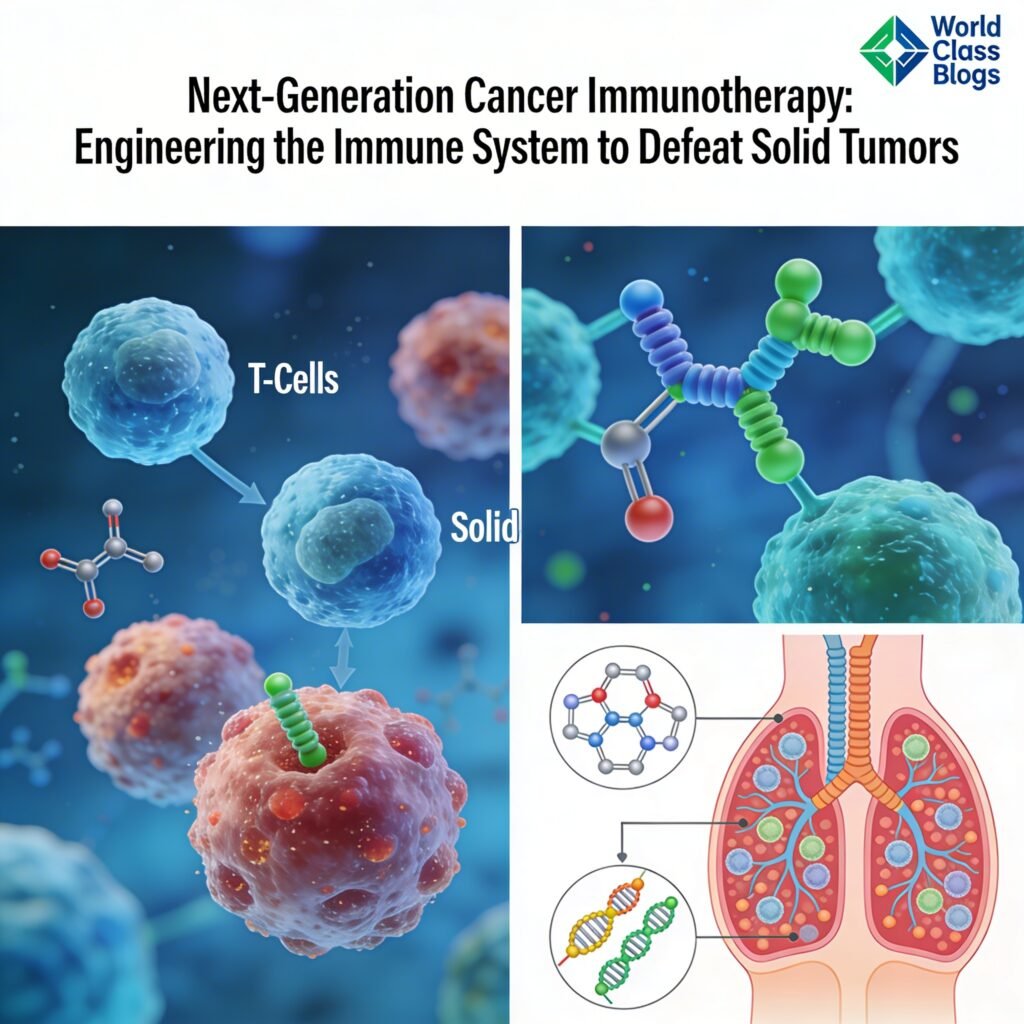
Next-generation cancer immunotherapy represents a fundamental shift in how we approach solid tumors. Rather than viewing the immune system as a weapon to be unleashed, we now understand that we must also reprogram the battlefield—the tumor microenvironment—where the fight occurs.
Key Takeaways:
- Solid tumors resist immunotherapy through multiple mechanisms. The tumor microenvironment creates physical, cellular, and biochemical barriers that block immune attack.
- Armored CAR-T cells can overcome these barriers. Engineering T cells to modify the microenvironment—not just attack cancer—enables function in hostile territory.
- Combination strategies are essential. No single agent can overcome all resistance mechanisms. Rational combinations targeting multiple pathways are transforming outcomes.
- Precision matters. The I-PREDICT study demonstrates that matching therapy to each patient’s unique molecular profile improves outcomes, even with previously untested combinations.
- Early detection enables interception. Liquid biopsies detecting molecular residual disease allow intervention before clinical recurrence, potentially curing patients who would otherwise progress.
- The field is moving fast. Armored CAR-T, TME-targeting agents, personalized vaccines, and AI-powered diagnostics are advancing rapidly, with clinical translation accelerating.
- Challenges remain. Cost, access, toxicity management, and emerging resistance require continued attention.
In my experience following this field, the most exciting aspect is the convergence of multiple disciplines—genomics, immunology, synthetic biology, and artificial intelligence—all focused on a single goal: making immunotherapy work for every patient, not just a fortunate subset.
As one researcher put it: “We’re no longer just unleashing the immune system. We’re engineering it, guiding it, and supporting it. We’re becoming immune architects.” For patients with solid tumors, that architecture can’t come soon enough.
FAQs (24 Detailed Questions and Answers)
Q1: What is next-generation cancer immunotherapy?
Next-generation immunotherapy refers to advanced approaches that overcome resistance mechanisms in solid tumors. This includes armored CAR-T cells engineered to function in the tumor microenvironment, combination strategies targeting multiple pathways, and personalized vaccines based on tumor neoantigens.
Q2: Why doesn’t standard immunotherapy work for many solid tumors?
Solid tumors create an immunosuppressive microenvironment that blocks immune attack. Components include regulatory T cells, myeloid-derived suppressor cells, abnormal vasculature, metabolic competition, and physical barriers that exclude T cells.
Q3: What are armored CAR-T cells?
Armored CAR-T cells are next-generation CAR-T cells engineered with additional features to overcome solid tumor barriers. Examples include cells that secrete VEGF blockers to normalize tumor vasculature, cytokines to recruit other immune cells, or modifications to resist exhaustion.
Q4: How do armored CAR-T cells differ from standard CAR-T?
Standard CAR-T cells recognize and kill cancer cells but are often ineffective in solid tumors due to the hostile microenvironment. Armored CAR-T cells are designed to modify the microenvironment—normalizing blood vessels, reducing immunosuppression, and recruiting other immune cells—while also attacking cancer.
Q5: What is the tumor microenvironment?
The tumor microenvironment is the ecosystem surrounding a tumor, including cancer cells, stromal cells, blood vessels, immune cells, and extracellular matrix. It plays a critical role in tumor progression and immunotherapy resistance.
Q6: What are “cold” and “hot” tumors?
“Hot” tumors have abundant infiltrating T cells and inflammatory signatures, making them more responsive to immunotherapy. “Cold” tumors lack T cell infiltration and are generally resistant. Converting cold tumors to hot is a major therapeutic goal.
Q7: What combination strategies are being tested?
Combinations include checkpoint inhibitors with TME-targeting agents (MDSC inhibitors, CAF inhibitors), CAR-T with checkpoint blockade, oncolytic viruses with immunotherapy, and radiation with immunotherapy.
Q8: What is the I-PREDICT study?
I-PREDICT was a prospective trial testing personalized combination therapy based on each patient’s unique molecular profile. Higher matching scores—more comprehensive targeting of tumor alterations—correlated with improved outcomes.
Q9: What is a matching score?
A matching score quantifies how well a patient’s therapies target the specific molecular alterations in their tumor. Higher scores mean more alterations are being addressed by the treatment regimen.
Q10: How are liquid biopsies used in immunotherapy?
Liquid biopsies detect circulating tumor DNA, enabling early cancer detection, monitoring treatment response, and identifying molecular residual disease before clinical recurrence.
Q11: What is molecular residual disease?
Molecular residual disease refers to cancer cells that remain after treatment at levels too low to detect by imaging but detectable by liquid biopsy. MRD detection enables early intervention before clinical recurrence.
Q12: Can AI help with cancer immunotherapy?
AI is transforming multiple aspects: analyzing pathology images for diagnosis and biomarker assessment, integrating multi-omic data for patient stratification, and discovering new resistance mechanisms.
Q13: What are myeloid-derived suppressor cells?
MDSCs are immature immune cells that accumulate in tumors and potently suppress T cell function. They are a major obstacle to effective immunotherapy and a target for TME-reprogramming agents.
Q14: How do oncolytic viruses work?
Oncolytic viruses are engineered to selectively infect and kill cancer cells while stimulating antitumor immunity. They release danger signals and tumor antigens that can convert cold tumors to hot.
Q15: What are bispecific antibodies?
Bispecific antibodies are engineered to bind two targets simultaneously—for example, binding both a tumor antigen and a T cell receptor, bringing T cells into contact with cancer cells.
Q16: What is the role of VEGF in immunotherapy resistance?
VEGF promotes abnormal blood vessel growth in tumors, creating a barrier to immune cell infiltration and exacerbating hypoxia. VEGF blockade can normalize vasculature and improve immunotherapy efficacy.
Q17: Can checkpoint inhibitors be combined with CAR-T therapy?
Yes. CAR-T cells can be engineered to resist PD-1 inhibition, or checkpoint inhibitors can be administered alongside CAR-T to prevent exhaustion and enhance function.
Q18: What are cancer-associated fibroblasts?
CAFs are cells that produce extracellular matrix and create physical barriers that exclude T cells from tumors. They also secrete factors that promote immunosuppression and are targets for stromal disruption therapies.
Q19: How is metabolic competition relevant to immunotherapy?
Tumors consume glucose and other nutrients, starving T cells. They also produce lactate and other metabolites that suppress immune function. Metabolic targeting aims to restore resources for T cells.
Q20: What is the role of CRISPR in immunotherapy research?
CRISPR screens in tumor-immune co-cultures have identified genes like CHD1 and MAP3K7 that mediate immunotherapy resistance, nominating new targets and potential biomarkers.
Q21: How do personalized cancer vaccines work?
Vaccines are designed based on sequencing a patient’s tumor to identify unique mutations (neoantigens). The vaccine primes T cells to recognize and attack cancer cells bearing these neoantigens.
Q22: What are the main toxicities of immunotherapy?
Toxicities include cytokine release syndrome (fever, low blood pressure), immune effector cell-associated neurotoxicity syndrome, and autoimmune complications affecting various organs. Management requires specialized expertise.
Q23: How do I find immunotherapy clinical trials?
ClinicalTrials.gov lists global trials. Major cancer centers have immunotherapy programs. Patient advocacy organizations often maintain trial registries for specific cancer types.
Q24: Where is the field heading in the next 5 years?
Expect more FDA approvals for armored CAR-T in solid tumors, validated biomarkers for patient selection, routine use of ctDNA for MRD monitoring, AI-integrated diagnostics, and growing application of TME-reprogramming combinations.
About Author
Dr. James Morrison, MD, PhD, is a medical oncologist and immunologist specializing in solid tumor immunotherapy. He completed his medical training at Memorial Sloan Kettering Cancer Center and his PhD in immunology at Rockefeller University, where he studied tumor-immune interactions. Dr. Morrison directs the Solid Tumor Immunotherapy Program at a major academic medical center and has served as principal investigator for multiple clinical trials of next-generation CAR-T therapies and combination immunotherapies. He has published over 50 peer-reviewed articles on tumor microenvironment, immunotherapy resistance, and precision oncology. His work focuses on translating mechanistic insights into practical strategies that extend the benefits of immunotherapy to patients with previously resistant cancers.
Free Resources
For Patients and Families:
- Cancer Research Institute (CRI): Immunotherapy Patient Resources: https://www.cancerresearch.org/
- American Association for Cancer Research (AACR): Patient Advocacy: https://www.aacr.org/patients-caregivers/
- Society for Immunotherapy of Cancer (SITC): Patient Education: https://www.sitcancer.org/patient-education
For Healthcare Professionals:
- SITC Immunotherapy Guidelines: https://www.sitcancer.org/guidelines
- NCI Immunotherapy Branch: https://ccr.cancer.gov/immunotherapy-branch
- Journal for ImmunoTherapy of Cancer: https://jitc.bmj.com/
For Researchers:
- Cancer Immunotherapy Trials Network: https://www.citn.org/
- Tumor Microenvironment Atlas: https://www.tmeatlas.org/
- CRI Anna-Maria Kellen Clinical Accelerator: https://www.cancerresearch.org/clinical-accelerator
Discussion
What questions do you have about next-generation immunotherapy? Have you or someone you know participated in an immunotherapy clinical trial? What was your experience? Share in the comments below—your perspectives help others navigate the complex landscape of cancer treatment.
For healthcare professionals: How are you approaching immunotherapy for patients with traditionally resistant solid tumors? What barriers do you encounter in accessing novel therapies?